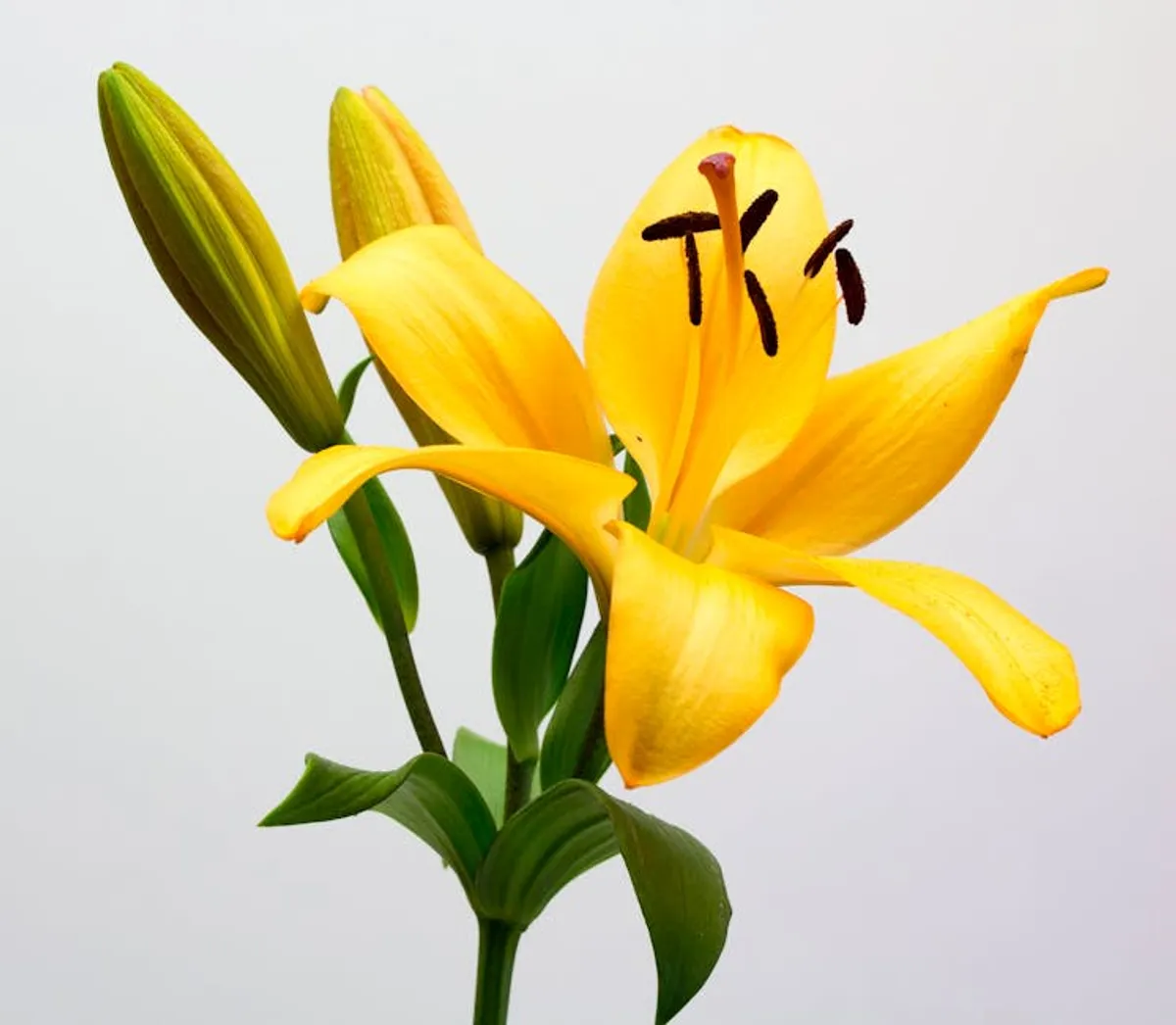
Selecting flowers with intentional meanings can offer a nuanced form of expression, particularly for those who prefer quiet communication. For introverts, who often value depth, introspection, and sincerity, certain flower meanings resonate more profoundly than generic gestures. This curated selection focuses on blooms whose symbolism aligns with core introverted traits: quiet strength, thoughtful reflection, genuine connection, and an appreciation for inner peace. Whether choosing a gift for an introverted colleague, client, or team member, or selecting personal decor for an office or home that reflects a quiet disposition, understanding these specific floral connotations ensures the message is both authentic and well-received. This guide provides a practical framework for identifying flowers that speak volumes without uttering a word, fostering a deeper connection through thoughtful botanical choices.
How to Choose Flowers for Introverts
When selecting flowers for an introvert, move beyond superficial beauty and consider the deeper symbolism. Introverts often appreciate gestures that are thoughtful, understated, and reflect an understanding of their personality. Focus on meanings that convey respect for personal space, inner calm, sincerity, and quiet resilience. Avoid overly flashy or ostentatious blooms unless their specific meaning aligns with a positive introvert trait. Consider the context: a single, meaningful stem can often be more impactful than a large, complex bouquet. Prioritize flowers known for their longevity, as this can symbolize enduring connection and thoughtfulness. The goal is to choose flowers that communicate appreciation for their unique qualities without demanding excessive attention or overwhelming their senses.
1. Violet
The violet, with its demure posture and rich, often hidden color, symbolizes modesty, humility, and quiet strength. Historically, it has been associated with faithfulness and a gentle, unassuming nature. Its small size belies a profound meaning, making it an ideal choice for someone who values substance over spectacle. The violet thrives in shaded areas, reflecting an introvert's preference for calmer, less overwhelming environments where they can flourish authentically.
Best for: Acknowledging quiet achievers, expressing sincere admiration, or as a personal symbol of inner resilience.
Pros:
- Directly embodies modesty and humility, key introvert traits.
- Symbolizes quiet strength and faithfulness, reinforcing deep, meaningful connections.
- Its understated appearance prevents overwhelming sensory input.
Cons:
- May be overlooked in larger, more vibrant arrangements due to its subtle presence.
- Requires a recipient who appreciates nuanced symbolism to fully grasp its message.
Verdict: An excellent choice for introverts, offering a profound message of respect for their unassuming yet powerful nature. Its symbolism perfectly aligns with the preference for depth over display.
2. Lavender
Lavender is renowned for its calming fragrance and soft, muted purple hues, symbolizing serenity, tranquility, and quiet contemplation. It evokes a sense of peace and a gentle retreat from the clamor of the world, making it highly resonant with an introvert's need for calm and introspection. Its medicinal properties also link it to healing and well-being, suggesting a nurturing and supportive presence.
Best for: Promoting a peaceful environment, expressing care and understanding, or as a subtle reminder of inner calm.
Pros:
- Strongly associated with peace, calm, and reduced anxiety, which introverts often seek.
- Its aromatic quality provides a multi-sensory, yet gentle, experience.
- Symbolizes quiet contemplation and introspection.
Cons:
- The scent, while calming for many, might be too strong for individuals with scent sensitivities.
- Its dried form is more common than fresh cut flowers, potentially limiting presentation options.
Verdict: A top-tier choice for introverts, particularly those who appreciate aromatherapy and a sense of serene retreat. Its meaning directly supports their need for tranquility.
3. Lily of the Valley
The delicate Lily of the Valley, with its tiny, bell-shaped blossoms, signifies humility, sweetness, and a "return to happiness." Its unassuming beauty and often hidden growth in shaded areas reflect a modest and pure spirit. The flower's brief blooming period and pristine white color suggest a precious, cherished quality, much like the deep, genuine connections introverts cultivate.
Best for: Expressing pure admiration, celebrating a quiet triumph, or conveying sincere appreciation for a gentle soul.
Pros:
- Emphasizes humility and purity, aligning with an introvert's often modest nature.
- Its delicate appearance communicates a gentle, thoughtful sentiment.
- Symbolizes happiness and peace found in quiet moments.
Cons:
- Highly seasonal and often expensive, limiting its availability and accessibility.
- Can be toxic if ingested, requiring careful placement, especially around pets or children.
Verdict: An exquisite, though sometimes challenging, choice that perfectly embodies the gentle, pure, and humble spirit often found in introverts. Its rarity adds to its perceived value and thoughtfulness.
4. White Rose
While red roses speak of passionate love, the white rose conveys purity, innocence, reverence, and new beginnings. Crucially for introverts, it also symbolizes silence and respect. Its classic elegance and understated beauty make it a powerful yet quiet statement. A single white rose can communicate deep respect and a profound, unspoken understanding, appealing to those who value sincerity and depth over overt declarations.
Best for: Expressing profound respect, offering condolences, celebrating a quiet milestone, or symbolizing a fresh, pure start.
Pros:
- Universally recognized symbol of purity and respect, making its meaning clear.
- The association with silence and reverence aligns well with introverted communication styles.
- Elegant and timeless, suitable for various professional or personal contexts.
Cons:
- Can sometimes be misinterpreted as purely funereal if not presented with clear intent.
- Its widespread use might dilute its specific "introvert" meaning without proper context.
Verdict: A versatile and deeply meaningful choice, particularly when a clear, respectful, and pure sentiment is intended. Its symbolism of silence and reverence is highly pertinent.
5. Peony
The peony, with its lush, full blooms, symbolizes bashfulness, compassion, and a happy life. While visually striking, its primary association with bashfulness makes it surprisingly fitting for introverts. It represents a beauty that might initially seem reserved but reveals layers of depth and softness upon closer inspection. The peony also signifies prosperity and honor, reflecting the quiet dignity and inner richness often found in introverted personalities.
Best for: Acknowledging a modest yet successful individual, expressing warm wishes, or symbolizing inner beauty and a compassionate spirit.
Pros:
- The primary meaning of bashfulness directly resonates with introverted tendencies.
- Its full, layered appearance can symbolize the depth and complexity of an introvert's inner world.
- Also signifies honor and a happy life, offering a positive, affirming message.
Cons:
- Its large, showy blooms might initially seem contradictory to an introvert's preference for subtlety.
- Seasonal availability can be a constraint for fresh flowers.
Verdict: A surprisingly apt choice despite its visual prominence, as its core meaning of bashfulness and inner beauty speaks directly to the introvert's experience. It celebrates their quiet strength and compassion.
6. Blue Hyacinth
Blue hyacinths specifically symbolize constancy, sincerity, and introspection. The color blue itself is often associated with calm, wisdom, and depth, all qualities frequently attributed to introverts. The flower's tightly packed florets and upright posture can represent a contained energy and a thoughtful, focused mind. Its strong, sweet fragrance adds another layer of sensory experience, suggesting a deep, heartfelt presence.
Best for: Expressing unwavering loyalty, acknowledging deep thought, or symbolizing a steadfast and sincere personality.
Pros:
- Directly symbolizes introspection, a hallmark of introverted thought processes.
- The meaning of constancy and sincerity aligns with the value introverts place on genuine relationships.
- The blue color reinforces feelings of calm and wisdom.
Cons:
- Like lavender, its strong fragrance might not be universally appreciated.
- Can be associated with sorrow in some contexts, requiring careful consideration of the specific shade and accompanying message.
Verdict: An excellent choice for conveying deep respect for an introvert's thoughtful nature and their commitment to genuine, lasting connections. The blue variety is key for this symbolism.
7. Jasmine
Jasmine, particularly the white variety, symbolizes modesty, grace, elegance, and tranquility. Its delicate, star-shaped flowers and intoxicating scent often bloom at night, suggesting a quiet beauty that reveals itself under serene conditions. This aligns with an introvert's tendency to thrive in peaceful environments and to reveal their true depth in intimate, calm settings. It also represents attachment and sensuality, but its primary meanings of modesty and grace are most relevant here.
Best for: Honoring a graceful and modest individual, creating a calming atmosphere, or symbolizing a deep, quiet affection.
Pros:
- Strongly associated with modesty, grace, and tranquility, fitting for an introvert's demeanor.
- Its evening bloom suggests a quiet unveiling of beauty and depth.
- The pleasant, gentle fragrance adds to its calming appeal.
Cons:
- Fresh cut jasmine can be fragile and have a shorter vase life compared to other blooms.
- Its small size might not create a strong visual impact in larger settings.
Verdict: A beautiful and understated choice that perfectly captures the essence of quiet elegance and inner peace. Its symbolism of modesty and evening bloom resonates deeply with introverted characteristics.
8. Forget-Me-Not
The tiny, sky-blue Forget-Me-Not flowers carry a clear and poignant message: remembrance and true, everlasting connection. For introverts, who often prefer a few deep, meaningful relationships over many superficial ones, this flower's symbolism is particularly resonant. It speaks to the value of enduring bonds and the quiet commitment to keeping loved ones in mind, even when physically apart. Its small size again emphasizes the power of subtle, heartfelt gestures.
Best for: Expressing lasting affection, reinforcing deep friendships, or as a symbol of remembrance for cherished connections.
Pros:
- Directly conveys remembrance and true connection, highly valued by introverts.
- Its small, delicate appearance makes it a humble yet powerful symbol.
- The clear, unambiguous meaning ensures the sentiment is understood.
Cons:
- Not commonly available as a cut flower in traditional florists, often found as potted plants or seeds.
- Its diminutive size may not be suitable for grander floral displays.
Verdict: An exceptionally meaningful choice for introverts, emphasizing the profound importance of enduring relationships and heartfelt remembrance. Its simplicity underscores its powerful message.
9. Orchid
Orchids symbolize refined beauty, thoughtfulness, luxury, and strength. While some might associate luxury with extroversion, the orchid's unique, intricate structure and often solitary bloom represent a distinct, individual beauty that stands apart. Their long-lasting nature and specific care requirements can also symbolize the deep, sustained attention introverts give to their passions and relationships. The orchid’s quiet elegance and exotic appeal suggest a profound inner world and a sophisticated appreciation for uniqueness.
Best for: Acknowledging unique talent, celebrating individual strength, or as a sophisticated gift for someone who appreciates distinctiveness.
Pros:
- Symbolizes refined beauty and thoughtfulness, appealing to an introvert's discerning nature.
- Its unique appearance represents individuality and distinctiveness.
- Long vase life or potted plant longevity can symbolize enduring qualities.
Cons:
- Can be perceived as high-maintenance or overly luxurious, potentially conflicting with a preference for simplicity.
- Its exotic nature might not always align with a desire for understated symbolism.
Verdict: A strong choice for the discerning introvert who appreciates unique beauty and depth. Its symbolism speaks to strength, thoughtfulness, and a sophisticated individuality rather than overt display.
10. Snowdrop
The snowdrop is a symbol of hope, purity, and consolation. As one of the first flowers to emerge in late winter, often pushing through snow, it represents resilience, new beginnings, and the quiet triumph of life over adversity. This hardy yet delicate flower perfectly embodies an introvert's inner strength and ability to find beauty and hope even in challenging circumstances, often with a quiet, unassuming demeanor.
Best for: Encouraging resilience, celebrating quiet strength, or offering gentle consolation and hope during transitional periods.
Pros:
- Strongly symbolizes hope and resilience, key traits for navigating challenges quietly.
- Its emergence in winter represents new beginnings and inner fortitude.
- The delicate appearance belies its strength, mirroring an introvert's often underestimated power.
Cons:
- Highly seasonal and typically available only in early spring, limiting its fresh cut availability.
- Its small size means it’s often best appreciated as a potted plant or in a natural setting.
Verdict: An excellent and deeply symbolic flower for introverts, representing their quiet strength, resilience, and the hope they carry within, often unseen by the casual observer.
11. Lotus
The lotus flower holds profound symbolism across many cultures, representing purity, enlightenment, self-regeneration, and spiritual awakening. Its ability to rise untainted from muddy waters signifies purity of heart and mind, and the journey of inner growth. For introverts, who often engage in deep self-reflection and personal development, the lotus embodies the pursuit of inner peace and wisdom, detached from external chaos.
Best for: Symbolizing personal growth, inner peace, spiritual journey, or a profound sense of self-awareness and purity.
Pros:
- Profoundly symbolizes purity, spiritual growth, and detachment from worldly concerns.
- Represents resilience and the ability to find beauty and wisdom from within.
- Its unique growth pattern makes it a powerful metaphor for self-discovery.
Cons:
- Not typically available as a cut flower in most Western florists; often depicted in art or as a water plant.
- Its strong spiritual connotations might not resonate with everyone if the intent isn't clearly communicated.
Verdict: A powerful and deeply spiritual symbol for introverts, reflecting their pursuit of inner wisdom, purity, and personal growth. Best conveyed through imagery or a potted plant where available.
12. Crocus
The crocus, a vibrant harbinger of spring, symbolizes cheerfulness, gladness, and youthfulness. While cheerfulness might seem an extroverted trait, the crocus's quiet emergence from the cold ground speaks to a gentle, inner joy and a fresh perspective that introverts often cultivate. It’s a subtle burst of color and life, not demanding attention but offering a quiet, optimistic presence. It represents the quiet delight found in simple moments and the beauty of renewal.
Best for: Celebrating a quiet renewal, expressing gentle optimism, or symbolizing a fresh start with understated joy.
Pros:
- Symbolizes a gentle, quiet cheerfulness and gladness, aligning with an introvert's subtle expressions of joy.
- Its early spring bloom represents renewal and fresh perspectives.
- Offers a touch of vibrant color without being overwhelming.
Cons:
- Very short blooming period, making fresh cut availability extremely limited.
- Often confused with saffron crocus, which has different associations.
Verdict: A charming and optimistic choice for introverts, representing the subtle, inner joy and fresh perspectives they bring to life. It’s a reminder that quietness does not preclude happiness.
How to Select the Right Flower for an Introvert
Choosing the right flower goes beyond simply matching a meaning; it involves understanding the specific introvert you're addressing. Consider their individual preferences: do they appreciate strong scents or prefer unscented blooms? Are they minimalist, preferring a single, perfect stem, or do they enjoy a small, artfully arranged bouquet? The presentation matters as much as the flower itself. A simple, elegant vase or a carefully written card explaining the flower's meaning can elevate the gesture significantly. For professional contexts, potted plants often offer a longer-lasting, less intrusive option that can subtly enhance a workspace. Ultimately, the most impactful choice is one that demonstrates genuine thought and respect for their unique personality, reinforcing the idea that their quiet nature is seen and valued.
Frequently Asked Questions About Flower Meanings for Introverts
Q: Can any flower be suitable for an introvert if the thought is there?
A: While any thoughtful gift is appreciated, choosing a flower with a meaning that specifically resonates with introverted traits (like modesty, introspection, or quiet strength) elevates the gesture. It shows a deeper understanding of their personality, making the gift more impactful than a generic choice.
Q: Are there colors that are better suited for introverts?
A: Muted, calming colors like blues, purples, and whites often resonate well with introverts, as they evoke serenity and introspection. However, personal preference varies, and some introverts might appreciate a subtle pop of color like a soft yellow or a deep green, especially if its meaning aligns with their values.
Q: Should I explain the meaning of the flower when I give it?
A: Yes, providing a small note or verbally explaining the chosen flower's meaning can significantly enhance the gift. Introverts often appreciate depth and intention, and clarifying the symbolism ensures your thoughtful choice is fully understood and valued.
Q: Are potted plants a better choice than cut flowers for introverts?
A: Often, yes. Potted plants offer longevity, represent enduring care, and can become a quiet, constant presence in their personal space without requiring frequent replacement. This aligns well with an introvert's appreciation for stability and sustained connection, and avoids the temporary nature of cut flowers.
Q: What should I avoid when choosing flowers for an introvert?
A: Generally, avoid overly loud, flashy, or attention-grabbing arrangements that might feel overwhelming. Also, be mindful of strong, pervasive scents if you are unsure of their preferences. Focus on quality, meaning, and understated elegance over sheer size or extravagance.