
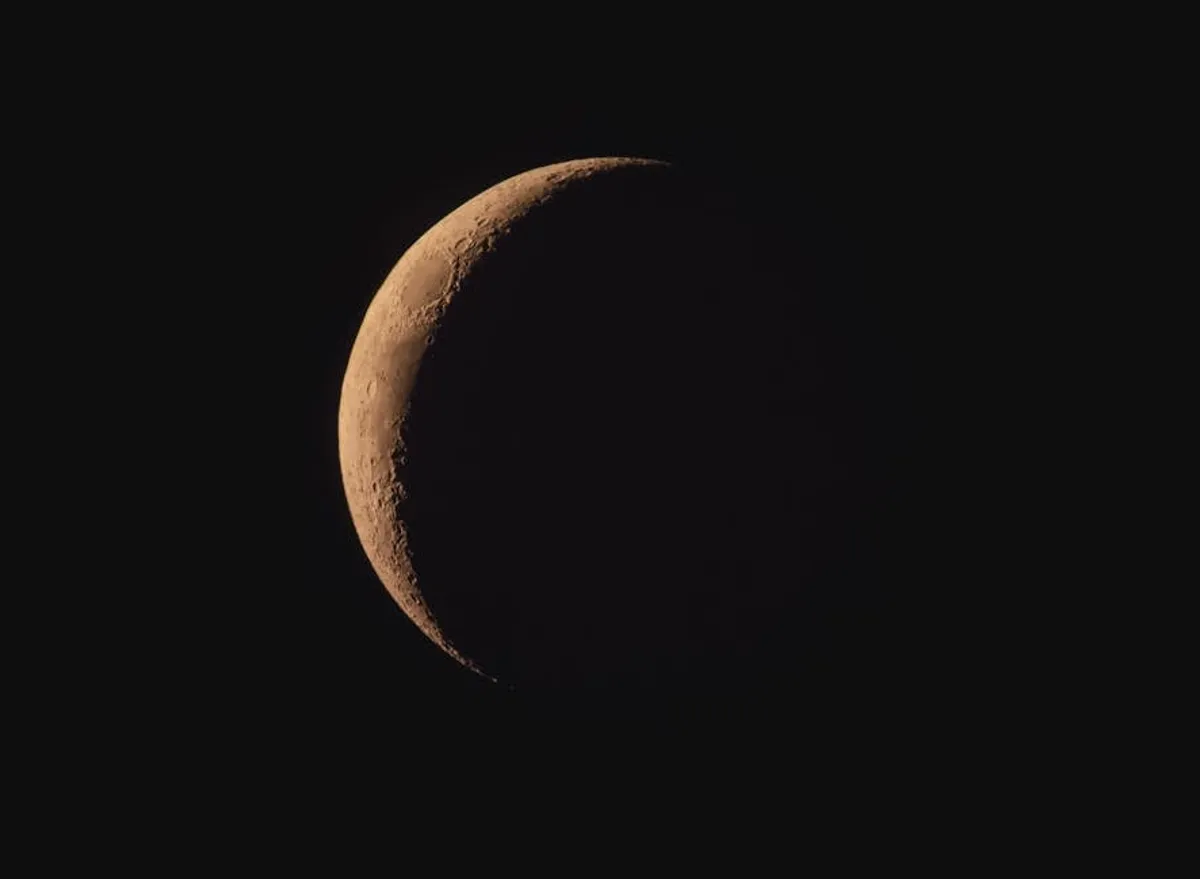
For busy adults navigating demanding schedules, the concept of aligning daily activities with lunar phases might initially seem counterintuitive, adding another layer of complexity to an already packed routine. However, the moon's consistent, predictable cycles offer a natural framework for optimizing productivity, managing energy, and fostering well-being, rather than imposing new tasks. This approach isn't about adopting esoteric practices, but about recognizing and utilizing natural rhythms to enhance strategic planning, focused execution, and essential rest. By understanding the energetic qualities traditionally associated with each major moon phase, professionals can consciously allocate specific types of work, reflection, and rejuvenation, transforming a potentially chaotic schedule into a more intentional and balanced flow. This guide outlines how to leverage each key lunar period to your advantage, providing a practical blueprint for integrating these ancient rhythms into a modern, fast-paced life.
Integrating Lunar Rhythms into Your Routine
Successfully incorporating lunar phases into a busy adult's schedule requires a pragmatic approach focused on intention and adaptation. Begin by observing the moon's current phase and noting how your energy levels, focus, and emotional state might naturally fluctuate throughout the month. This personal tracking helps establish a baseline connection to the lunar cycle. Next, identify key recurring tasks or projects in your professional and personal life that could benefit from a structured rhythm. For instance, strategic planning might align with a New Moon, while project launches could coincide with a Full Moon. Use the moon phases as prompts for existing calendar entries rather than creating entirely new obligations. The goal is to enhance existing workflows by assigning appropriate activities to energetically congruent lunar periods, allowing for more effective resource allocation and reducing decision fatigue. Flexibility is crucial; the lunar calendar serves as a guide, not a rigid mandate, allowing for adjustments based on immediate demands and personal needs.
1. New Moon
The New Moon marks the beginning of a new lunar cycle, a period traditionally associated with introspection, setting intentions, and planting seeds for future endeavors. For busy adults, this phase offers a natural pause point to evaluate current commitments and define new goals without the pressure of immediate action. It’s a time for quiet planning and conceptualization rather than active execution, allowing for mental clarity before diving into new projects. This phase encourages a clean slate, providing an opportunity to shed old habits or unproductive strategies and articulate fresh objectives.
Best For: Strategic planning, goal setting, envisioning new projects, personal reflection, starting new habits, reviewing long-term visions.
Pros: Encourages clear intention setting; provides a natural reset button; fosters mental clarity; reduces impulse to overcommit; ideal for foundational work.
Cons: Requires dedicated quiet time; can feel unproductive if not framed correctly as planning; not suitable for immediate action-oriented tasks; demands self-discipline to avoid distractions.
Verdict: Leverage the New Moon for foundational planning and goal articulation, ensuring your subsequent efforts are aligned with considered intentions and a fresh perspective.
2. Waxing Crescent
Following the New Moon, the Waxing Crescent phase brings the first sliver of light, symbolizing the initial steps forward after intention setting. This is a period of nascent growth and cautious action. For busy adults, it’s an opportune time to begin implementing the plans formulated during the New Moon. Focus on small, manageable tasks that build momentum without overwhelming your schedule. It’s about taking the first concrete steps, gathering resources, and initiating communication related to new projects. This phase supports the careful nurturing of new ideas and projects.
Best For: Initial project setup, gathering resources, preliminary research, networking for new ventures, first outreach, soft launches.
Pros: Supports gradual progress; ideal for testing new ideas on a small scale; builds confidence through early wins; encourages focused initial efforts.
Cons: Energy levels might still be building; not ideal for major launches or high-pressure deadlines; requires patience to see results; risk of over-analysis if not balanced with action.
Verdict: Utilize the Waxing Crescent to take deliberate, foundational actions on your New Moon intentions, building steady momentum without overextending resources.
3. First Quarter
The First Quarter Moon appears as a half-moon, signifying a period of dynamic energy and potential challenges. This phase often brings the first obstacles or resistance to your new initiatives. For busy adults, it’s a time to address issues head-on, make necessary adjustments, and push through initial hurdles. This period demands problem-solving skills and a proactive approach to maintain momentum. It’s about committing fully to your path and demonstrating resilience in the face of setbacks, transforming challenges into opportunities for refinement.
Best For: Problem-solving, overcoming initial project roadblocks, making decisive adjustments, committing to a course of action, focused effort on critical tasks.
Pros: Encourages decisive action; builds resilience; clarifies commitment to goals; provides opportunities for refining strategies; ideal for active troubleshooting.
Cons: Can feel demanding and intense; requires focused energy to navigate challenges; risk of burnout if not managed with breaks; potential for unexpected delays.
Verdict: Employ the First Quarter to confront and resolve initial challenges, solidifying your commitment and refining your approach to ensure project viability.
4. Waxing Gibbous
As the moon approaches fullness during the Waxing Gibbous phase, its light grows significantly, symbolizing a period of refinement, expansion, and building towards culmination. For busy adults, this is an excellent time for detailed work, optimizing processes, and collaborating to bring projects to a higher level of readiness. It’s about fine-tuning, gathering feedback, and making final preparations before a major launch or completion. This phase supports diligent effort and attention to detail, ensuring quality and thoroughness.
Best For: Project refinement, detailed execution, gathering feedback, collaboration, marketing preparations, scaling up initial successes, quality assurance.
Pros: Supports meticulous work; ideal for collaborative efforts; builds significant momentum towards completion; enhances project quality through refinement; good for public relations efforts.
Cons: Can lead to perfectionism if not managed; requires sustained focus over an extended period; risk of over-analysis without clear deadlines; potential for scope creep.
Verdict: Maximize the Waxing Gibbous for diligent refinement and expansion, ensuring all components of your projects are polished and prepared for their peak moment.
5. Full Moon
The Full Moon is the peak of the lunar cycle, a period of illumination, culmination, and often heightened energy. For busy adults, this is the ideal time for project launches, major presentations, celebrating achievements, and gaining maximum visibility. It’s a period where intentions set during the New Moon come to fruition, offering a natural point for review and assessment of progress. The Full Moon's energy supports clarity, completion, and making informed decisions based on what has been revealed.
Best For: Project launches, major presentations, public speaking, celebrating milestones, reviewing results, making key decisions, high-visibility tasks.
Pros: Provides peak energy for completion; offers maximum visibility for initiatives; ideal for impactful communication; fosters a sense of accomplishment; supports clear evaluation.
Cons: Can bring emotional intensity; risk of over-extension due to heightened energy; demands careful management of expectations; may reveal unexpected outcomes.
Verdict: Capitalize on the Full Moon's potent energy for impactful launches and celebrations, using its clarity to evaluate outcomes and make decisive next steps.
6. Waning Gibbous
Following the Full Moon, the Waning Gibbous phase sees the moon's light gradually diminishing, signaling a natural period of reflection, gratitude, and initial review. For busy adults, this is an excellent time to assess the results of recent projects, gather feedback, and express appreciation to collaborators. It’s about integrating lessons learned and beginning to process the outcomes of your efforts. This phase supports a gentle winding down from peak activity, shifting focus from creation to comprehension and consolidation.
Best For: Project debriefs, gathering testimonials, expressing gratitude, initial data analysis, knowledge transfer, personal reflection on achievements, consolidating resources.
Pros: Encourages valuable reflection; supports learning from experiences; fosters team cohesion through appreciation; ideal for organizing information; reduces immediate pressure.
Cons: Can feel less productive than waxing phases; requires discipline to engage in review; risk of dwelling on imperfections; not suitable for initiating new major projects.
Verdict: Dedicate the Waning Gibbous to thoughtful reflection and appreciation, ensuring that lessons from recent efforts are captured and integrated for future success.
7. Last Quarter
The Last Quarter Moon, again appearing as a half-moon, marks a critical period of release, restructuring, and letting go. For busy adults, this phase is ideal for decluttering, delegating, and making necessary cuts to projects or commitments that are no longer serving your goals. It’s about identifying inefficiencies, releasing what is not working, and preparing for a new cycle by clearing physical and mental space. This period supports decisive action in streamlining operations and eliminating distractions.
Best For: Decluttering workspaces, delegating tasks, releasing unproductive habits, reassessing commitments, streamlining processes, ending contracts, making necessary cuts.
Pros: Facilitates efficiency through elimination; creates space for new opportunities; supports decisive action in shedding burdens; ideal for project closure and archiving.
Cons: Can involve difficult decisions; requires courage to let go; risk of feeling overwhelmed by necessary changes; not a time for new beginnings.
Verdict: Utilize the Last Quarter to strategically release and restructure, clearing the path of unnecessary burdens and preparing your operational landscape for renewal.
8. Waning Crescent
As the moon's light dwindles to a thin sliver during the Waning Crescent phase, it signals a period of deep rest, surrender, and quiet preparation for the next cycle. For busy adults, this is an essential time for self-care, recuperation, and allowing ideas to incubate without pressure. It’s about retreating slightly, recharging your mental and physical batteries, and trusting that new insights will emerge. This phase is crucial for preventing burnout and ensuring sustained productivity in the long term.
Best For: Rest and recuperation, creative incubation, meditation, light administrative tasks, personal development reading, deep reflection, minimal social engagement.
Pros: Promotes essential self-care; reduces stress and burnout; allows for subconscious processing of ideas; fosters creativity through quiet contemplation; prepares for renewed energy.
Cons: Can feel unproductive if not valued as rest; requires setting boundaries for workload; risk of procrastination if not balanced with light tasks; demands patience.
Verdict: Embrace the Waning Crescent for profound rest and quiet incubation, recognizing its critical role in regenerating energy and fostering readiness for the upcoming New Moon cycle.
9. New Moon Cycle Start
While the New Moon itself marks the specific alignment, the "New Moon Cycle Start" encompasses the broader energetic shift that begins a few days before and extends into the Waxing Crescent. For busy adults, this period is about setting a comprehensive vision for the entire upcoming lunar month. It's not just about one intention, but about mapping out key milestones and desired outcomes for the next 29.5 days. This broader perspective allows for more strategic allocation of resources and time, ensuring that individual intentions are part of a larger, cohesive plan.
Best For: Monthly planning, vision boarding for the cycle, high-level goal setting, team alignment meetings for the month, strategic forecasting.
Pros: Provides a holistic planning framework; encourages long-term thinking within a shorter cycle; enhances alignment across multiple projects; reduces reactive decision-making.
Cons: Requires dedicated time for comprehensive planning; can feel overwhelming if too many goals are set; demands clear prioritization; risk of over-scheduling.
Verdict: Use the New Moon Cycle Start to establish a clear, overarching vision and strategic roadmap for the entire lunar month, guiding all subsequent actions.
10. Full Moon Release
While the Full Moon is about culmination and celebration, the "Full Moon Release" focuses specifically on the energetic impulse to let go of what no longer serves. This isn't just about reviewing successes, but actively identifying and releasing burdens, outdated beliefs, or unproductive habits that surfaced during the preceding waxing phases. For busy adults, this means consciously shedding commitments that drain energy, delegating tasks that can be handled elsewhere, or forgiving past mistakes to move forward unencumbered. It’s an active process of purification.
Best For: Identifying and releasing energy drains, delegating non-essential tasks, forgiving past errors, emotional processing, clearing mental clutter, boundary setting.
Pros: Promotes mental and emotional clarity; creates space for new opportunities; reduces stress by shedding burdens; enhances focus on essential tasks; supports personal growth.
Cons: Can be emotionally challenging; requires honest self-assessment; may involve difficult conversations or decisions; not suitable for avoidance.
Verdict: Actively engage in Full Moon Release to consciously shed burdens and emotional baggage, optimizing your mental and energetic landscape for future endeavors.
11. Waxing Phases (General Growth)
The collective Waxing Phases (Crescent, First Quarter, Gibbous) represent the entire period of growth from the New Moon to the Full Moon. For busy adults, this extended period is characterized by increasing energy, outward focus, and progressive action. It's the primary time for initiation, development, and building momentum across all projects. Recognizing this broader energetic arc allows for flexible planning, knowing that any day within this period supports forward movement, problem-solving, and refinement. It's the "doing" phase of the cycle.
Best For: General project development, client acquisition, skill building, active problem-solving, marketing campaigns, collaborative efforts, consistent work output.
Pros: Sustains motivation and energy for action; provides an extended window for productive work; supports continuous development and expansion; ideal for proactive engagement.
Cons: Risk of overworking if not balanced with breaks; can lead to burnout if not managed with intentional rest; demands consistent effort; less suitable for deep introspection.
Verdict: Frame the Waxing Phases as your primary period for active development and growth, leveraging the sustained energetic push to advance key initiatives.
12. Waning Phases (General Release)
Conversely, the collective Waning Phases (Gibbous, Last Quarter, Crescent) represent the entire period of release, reflection, and winding down after the Full Moon. For busy adults, this extended period is ideal for internal work, review, consolidation, and preparation for the next cycle. It's the "processing" phase, where the focus shifts from creation to evaluation, integration, and shedding. Understanding this broader energetic arc allows for scheduling administrative tasks, strategic reviews, and self-care activities more effectively, rather than forcing new initiatives.
Best For: Project review, administrative tasks, team debriefs, financial reconciliation, personal development, rest and recuperation, strategic planning for the next cycle.
Pros: Supports essential review and integration; reduces pressure for constant outward action; promotes mental and physical recovery; ideal for decluttering and streamlining; fosters long-term sustainability.
Cons: Can feel slower or less externally productive; requires discipline to prioritize rest and reflection; risk of procrastination if not structured; not suitable for major launches.
Verdict: Designate the Waning Phases as your dedicated time for review, integration, and strategic preparation, ensuring sustainable productivity and well-being across cycles.
Measuring Success and Sustaining the Practice
Integrating lunar rhythms into your busy life isn't about achieving a specific numerical outcome, but rather about cultivating a more aligned and effective approach to your work and personal well-being. Success can be measured by qualitative shifts: a reduction in feeling overwhelmed, an increase in focused productivity during designated periods, more intentional planning, and a greater sense of balance. Track your energy levels and mood alongside the moon phases in a journal or digital calendar. Note when you feel most creative, most focused, or most in need of rest, and compare these observations with the lunar cycle. Over time, you'll identify personal patterns that allow for more precise alignment. The goal is not rigid adherence, but flexible adaptation. If a particular moon phase's suggested activity doesn't fit your immediate demands, acknowledge it and adjust. The true benefit lies in building a framework that supports your natural flow, leading to more sustainable output and a deeper connection to your own internal rhythms.
Frequently Asked Questions
Are moon phases scientifically proven to affect productivity? While direct scientific evidence linking moon phases to human productivity or specific behaviors is not widely accepted in mainstream science, the moon's gravitational pull influences tides, and its light cycle has historically guided human activity. The framework presented here leverages the predictable, natural rhythm of the lunar cycle as a psychological and organizational tool for planning and self-awareness, rather than relying on direct astrological influence.
How often do moon phases change? The moon cycles through all eight major phases approximately every 29.5 days, which is the length of one synodic month. Each major phase lasts roughly 3.5 to 4 days. The shift from one phase to the next is gradual, offering a continuous transition of energetic qualities.
Can I ignore some moon phases if they don't fit my schedule? Absolutely. The lunar cycle is a guide, not a strict mandate. The most effective approach for busy adults is to use the phases as prompts for reflection and planning, adapting them to fit existing commitments and personal energy levels. Focus on the phases that resonate most with your needs and integrate them selectively rather than attempting a complete overhaul of your routine.
Is this approach related to astrology? While astrology also uses moon phases, this framework is distinct. It focuses on the observable, cyclical nature of the moon as a practical organizational tool for time management, goal setting, and self-care, without making predictive or spiritual claims. The emphasis is on leveraging natural rhythms for personal and professional effectiveness.
How do I track moon phases accurately? Many free smartphone apps, online calendars, and even simple wall calendars provide daily moon phase information. Websites like timeanddate.com or almanac.com offer precise details for your specific location, making it easy to integrate this information into your daily planning.



