
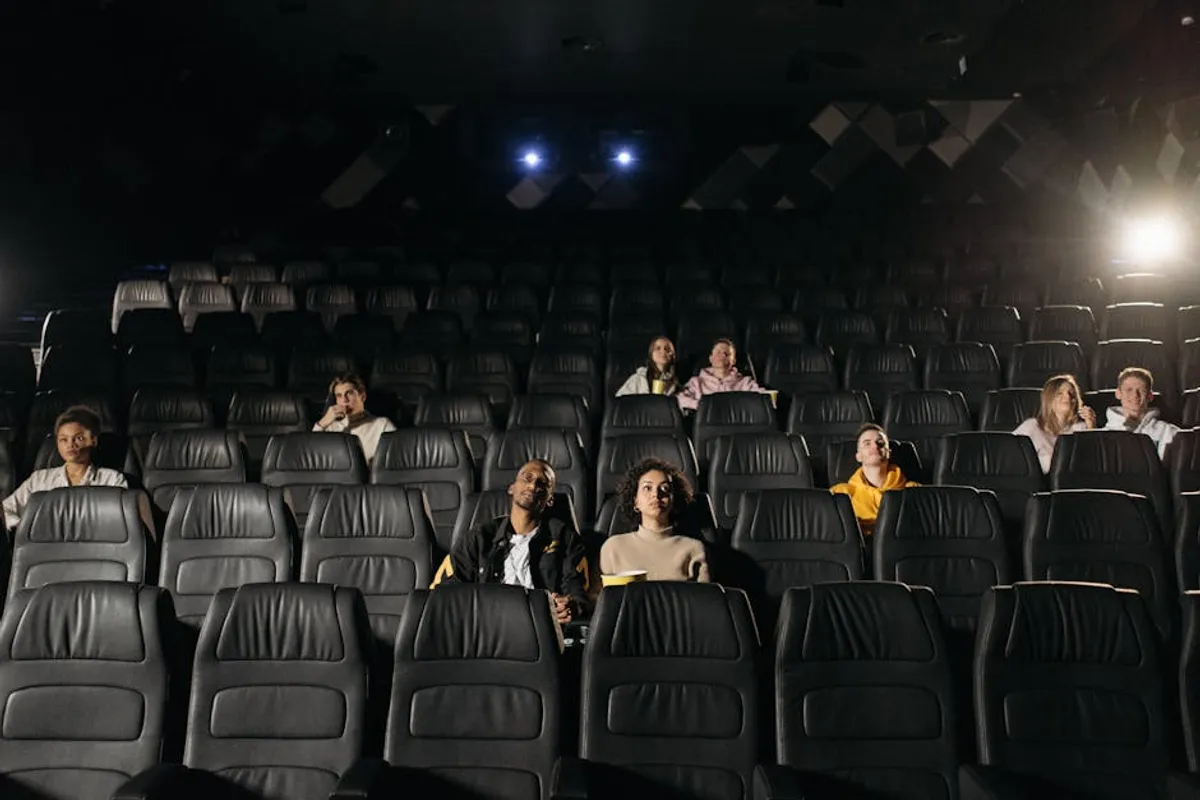
Weekend planners seeking to elevate a simple movie viewing into a curated experience face a common challenge: sifting through generic suggestions to find truly distinct and manageable ideas. The goal isn't just to watch a film, but to craft an event that resonates with guests, fits a specific mood, or maximizes a particular setting. This guide cuts through the noise, presenting actionable, commercially useful movie night concepts designed for varying budgets, group sizes, and desired levels of effort. Each idea is assessed for its practical application, allowing planners to quickly identify options that align with their resources and vision for a memorable weekend.
How to Choose Your Perfect Movie Night
Selecting the right movie night idea involves more than just picking a film. Consider these core factors to ensure the experience aligns with expectations and resources:
- Guest Profile: Are you hosting a family with young children, a group of cinephiles, a romantic couple, or a larger social gathering? The audience dictates film choice, activity level, and overall atmosphere.
- Budget Allocation: Determine a realistic spend. Some ideas require significant investment in equipment or catering, while others are largely DIY and cost-effective. Factor in food, drinks, decor, and any rental fees.
- Effort vs. Impact: Assess the time and energy you're willing to commit. Elaborate themes demand more preparation, while simpler concepts allow for spontaneity. Balance the desired impact with the practical effort required for execution.
- Available Space and Resources: Your home, backyard, or local community space will influence possibilities. Consider screen size, sound system, seating, and access to power or kitchen facilities.
- Desired Atmosphere: Do you want a cozy, intimate setting, a lively party vibe, a nostalgic throwback, or an educational experience? The atmosphere should guide all subsequent decisions, from decor to snack choices.
- Time of Year: Outdoor options are seasonal, while indoor concepts can be adapted year-round. Weather considerations are critical for any al fresco plan.
1. Themed Movie Marathon
This concept involves selecting a series of films united by a common thread—a director's oeuvre, a specific genre, a beloved franchise, or even an actor's filmography. The execution extends beyond just playing movies; it incorporates decor, food, and attire inspired by the theme. For instance, a "Lord of the Rings" marathon might feature hobbit-hole snacks, elven-inspired drinks, and guests encouraged to dress as Middle-earth characters. This approach transforms a passive viewing into an immersive event, encouraging guest interaction and sustained engagement over several hours or even an entire day.
Best for: Dedicated fans, medium-sized groups (4-10 people), special occasions, and those willing to invest in creative decor and themed catering.
Pros: High guest engagement due to immersion; provides a clear framework for food, drink, and decor; fosters shared excitement among fans; extends the event duration.
Cons: Requires significant planning and preparation for theme consistency; can be lengthy, potentially leading to viewer fatigue; film choices may alienate non-fans; higher cost for elaborate themes.
Verdict: An excellent choice for creating a truly memorable event with a passionate audience, provided the planner commits to the thematic details and manages the overall runtime effectively.
2. Outdoor Cinema Experience
Transforming a backyard or open space into a makeshift cinema involves a projector, a large screen (inflatable or DIY sheet), and an audio system. Seating can range from blankets and pillows to lawn chairs or beanbags. The key differentiators are the open-air ambiance, the potential for a larger audience, and the novelty factor. Considerations include weatherproofing, power access, and ambient light management. This idea capitalizes on warmer evenings and creates a relaxed, communal viewing environment that feels distinct from an indoor screening.
Best for: Summer evenings, larger groups, families, casual gatherings, and homes with suitable outdoor space.
Pros: Unique and memorable experience; fresh air and relaxed atmosphere; allows for larger guest counts; relatively simple setup once equipment is acquired.
Cons: Highly dependent on weather; requires specific equipment (projector, screen, speakers); potential for light pollution affecting image quality; sound management to avoid disturbing neighbors.
Verdict: A high-impact option for fair-weather weekends, offering a distinct communal feel that justifies the initial equipment investment and logistical planning.
3. Classic Double Feature Night
This concept focuses on pairing two complementary films, often from the same era, genre, or with thematic links. Unlike a marathon, a double feature is more contained, typically lasting 3-5 hours. The emphasis is on curating a cohesive cinematic experience, perhaps showcasing how two films approach a similar subject differently or presenting a director's early and late work. The setup is generally simpler, focusing on comfortable viewing and quality snacks rather than elaborate decor. It's about thoughtful programming for a discerning audience.
Best for: Film enthusiasts, smaller groups (2-6 people), intimate gatherings, and those who appreciate cinematic curation.
Pros: Manageable length; encourages discussion and comparison between films; simpler setup than a marathon; allows for a deeper dive into specific cinematic themes.
Cons: Requires careful film selection to maintain audience interest; less emphasis on external activities or decor; may not appeal to those seeking a more active event.
Verdict: An elegant and accessible option for a focused cinematic experience, prioritizing film selection and comfortable viewing over grand spectacle.
4. DIY Drive-In Movie
Recreating the nostalgic drive-in experience, this idea involves guests parking their cars in a suitable outdoor space (large driveway, field) and tuning into an FM transmitter for audio, while watching a film projected onto a large screen. This requires more space than a simple outdoor cinema and the additional equipment of an FM transmitter. The appeal lies in its retro charm, the privacy of individual cars, and the ability to accommodate varying comfort levels with personal seating and climate control. It's a unique blend of communal viewing and personal space.
Best for: Nostalgia enthusiasts, larger groups with cars, specific events (e.g., anniversaries, community gatherings), and those with ample private outdoor space.
Pros: Highly unique and memorable; offers individual comfort and privacy within cars; creates a strong nostalgic atmosphere; good for social distancing if needed.
Cons: Requires significant space; additional equipment (FM transmitter); logistical challenges with car parking and sightlines; weather dependent; potential for vehicle idling emissions.
Verdict: A high-effort, high-reward option that delivers a distinct nostalgic experience, best suited for specific events where the unique format is a primary draw.
5. Gourmet Tasting Menu & Movie Pairing
This sophisticated approach pairs a film with a multi-course tasting menu, where each dish or drink is inspired by or directly references elements within the movie. For example, a "Ratatouille" screening could feature a carefully plated ratatouille dish, followed by French cheeses and wines. The focus shifts from just watching to a full sensory experience, where food becomes an integral part of the narrative. This demands culinary skill or access to catering, and careful timing between courses and film segments.
Best for: Foodies, couples, small intimate groups, special celebrations, and those with a higher budget for catering or culinary expertise.
Pros: Elevates the movie night into a fine dining experience; creates a unique and memorable sensory journey; encourages discussion about both film and food; high perceived value.
Cons: High cost and effort for food preparation/catering; requires precise timing to integrate courses with the film; may distract from the movie itself; limited to smaller groups.
Verdict: A premium, immersive option for discerning guests, where the culinary experience is as central as the film, demanding significant investment in time and resources.
6. Board Game & Movie Combo Night
This concept integrates a board game session before or after the movie, creating a more interactive and extended evening. The game can be thematically linked to the film (e.g., a mystery board game before a detective movie) or simply serve as a social icebreaker. This approach caters to groups who enjoy both passive entertainment and active engagement. It breaks up the evening, prevents screen fatigue, and provides an alternative activity for guests who might not be fully invested in the film choice. The setup is minimal, requiring only a table for the game.
Best for: Social groups, families with older children, casual gatherings, and those seeking a balanced evening of interaction and relaxation.
Pros: Increases social interaction; provides variety and prevents boredom; caters to different preferences within a group; relatively low cost and easy setup.
Cons: Requires careful selection of games and films that complement each other; can extend the evening significantly; some guests may prefer one activity over the other.
Verdict: A versatile and engaging option that offers a good balance of activity and relaxation, ideal for groups who appreciate diverse entertainment over a single focus.
7. Virtual Watch Party
For geographically dispersed friends or family, a virtual watch party utilizes streaming services with synchronized viewing features (e.g., Teleparty, Scener) combined with video conferencing. This allows for real-time commentary and interaction, mimicking the shared experience of watching together. While lacking physical proximity, it provides a valuable connection, especially for long-distance relationships or when in-person gatherings are impractical. Success hinges on reliable internet connections and coordinated start times.
Best for: Long-distance friends/family, groups with scheduling conflicts, those prioritizing connection over physical presence, and introverted gatherings.
Pros: Connects people across distances; flexible scheduling; low-cost setup (requires only streaming subscriptions and internet); offers real-time interaction.
Cons: Dependent on stable internet connections for all participants; lacks the physical camaraderie of in-person events; technical glitches can disrupt the experience; limited options for shared food/drink.
Verdict: An indispensable tool for maintaining social connections through shared entertainment, offering a practical solution when physical gatherings are not possible.
8. Classic Slumber Party Movie Night
Revisiting the nostalgic slumber party, this idea focuses on comfort, classic comfort foods, and a selection of feel-good or cult classic films. Think sleeping bags, pajamas, popcorn, pizza, and perhaps some lighthearted activities like truth or dare or pillow fights. The emphasis is on a relaxed, unpretentious atmosphere where the movie serves as a backdrop for extended socializing and shared memories. This is particularly effective for younger audiences or adults seeking a playful, low-key gathering.
Best for: Teenagers, close friends, nostalgic adults, low-budget gatherings, and those prioritizing comfort and casual fun.
Pros: High comfort factor; fosters intimacy and relaxed conversation; low setup effort; budget-friendly; creates a strong sense of nostalgia.
Cons: May not appeal to all age groups; requires sufficient space for sleeping arrangements; can be messy; film selection is often secondary to the social aspect.
Verdict: A charming, low-stress option for fostering connection and nostalgia, particularly effective for smaller, close-knit groups seeking a comfortable and unpretentious evening.
9. Retro Arcade & Movie Night
Combine classic arcade games (either via emulation on a console/PC or actual arcade cabinets) with a movie from the same era (e.g., 80s action, 90s sci-fi). Guests can alternate between gaming and movie watching, or enjoy competitive rounds during film intermissions. This creates a dynamic, interactive environment that appeals to gamers and retro enthusiasts. It requires access to arcade games or a robust emulation setup, adding a layer of technical complexity but also significant entertainment value.
Best for: Gamers, retro enthusiasts, groups who enjoy interactive activities, and those with access to arcade setups or emulation systems.
Pros: Highly interactive and engaging; caters to multiple interests; creates a vibrant, energetic atmosphere; unique blend of entertainment.
Cons: Requires specific equipment (arcade machines, retro consoles, or emulation setup); can be costly to acquire/set up; potential for noise from games to interfere with movie audio; film may become secondary.
Verdict: A high-energy, niche option that delivers significant entertainment value for the right audience, provided the planner has the necessary gaming equipment and setup expertise.
10. Mystery Movie Challenge
This idea involves keeping the movie selection a secret until showtime, building anticipation and surprise. Planners can offer cryptic clues about the genre, era, or lead actor to guide guest expectations without revealing the title. This works best with a group open to diverse film choices and who enjoy an element of suspense. It removes the pressure of consensus on film selection and adds a playful, interactive dimension to the evening, making the reveal part of the entertainment.
Best for: Adventurous groups, friends who trust the host's taste, small gatherings, and those who enjoy an element of surprise.
Pros: Builds anticipation and excitement; eliminates debate over film choice; encourages open-minded viewing; adds a playful twist to a standard movie night.
Cons: Risk of guests not enjoying the surprise film; requires a host with diverse film knowledge; less suitable for very specific thematic events; may not appeal to those who prefer to know the film beforehand.
Verdict: A simple yet effective way to inject novelty and excitement into a movie night, relying on the host's curation skills and the guests' adventurous spirit.
11. Documentary Deep Dive
Instead of narrative features, focus on a compelling documentary or a series of short documentaries around a specific subject (e.g., nature, true crime, historical events). This transforms the movie night into an educational yet engaging experience, often sparking thoughtful discussion afterward. Pair with relevant snacks or drinks (e.g., fair-trade coffee for an environmental doc). The intent is to inform and stimulate intellectual curiosity, making the viewing more active than passive entertainment.
Best for: Intellectually curious groups, educational gatherings, smaller intimate settings, and those seeking substance over pure entertainment.
Pros: Highly engaging and thought-provoking; sparks discussion and learning; offers a different kind of entertainment; often available on various streaming platforms.
Cons: May not appeal to all audiences seeking pure escapism; requires active engagement from viewers; can sometimes be emotionally heavy; less opportunity for lighthearted fun.
Verdict: A valuable option for fostering intellectual engagement and meaningful conversation, best suited for groups who appreciate learning and critical thinking.
12. Short Film Festival at Home
Curate a selection of short films, perhaps from a specific festival, genre, or region. Many streaming platforms and independent film sites offer extensive libraries of shorts. This allows for greater variety, shorter individual commitments, and the discovery of new filmmakers. It's an excellent way to introduce guests to diverse cinematic voices without the time commitment of a feature film. Intermissions between shorts can be used for discussion, voting on favorites, or refilling snacks.
Best for: Film enthusiasts, artistic groups, those with shorter attention spans, and anyone looking for diverse cinematic exposure.
Pros: High variety and discovery potential; shorter commitment per film; encourages discussion and critical evaluation; can be themed easily.
Cons: Requires research to curate quality shorts; may lack the narrative depth of a feature film; less widely accessible on mainstream streaming services; can feel disjointed if not curated well.
Verdict: A dynamic and insightful option for exploring diverse cinematic art, offering a fresh perspective on movie night by prioritizing variety and discovery.
Measuring Success and Choosing the Right Fit
Evaluating the success of a movie night goes beyond whether the film was "good." Consider guest feedback on the overall experience: did the atmosphere meet expectations? Were the food and drink choices appropriate? Did the chosen activities complement the viewing? For future planning, track what aspects guests enjoyed most – was it the specific film, the themed decor, the interactive elements, or simply the comfortable setting? This qualitative data is invaluable for refining subsequent events. The "right fit" ultimately depends on aligning the planner's vision with the guests' preferences and the practical constraints of budget and space. A successful movie night isn't about perfection, but about creating a coherent, enjoyable experience that achieves its intended social or entertainment goal.
Frequently Asked Questions
What's the ideal group size for a movie night? The ideal size depends on the chosen idea. Intimate settings like a Gourmet Tasting Menu are best for 2-4 people, while an Outdoor Cinema or DIY Drive-In can comfortably host 10-20 or more. Consider your space and desired level of interaction.
How do I manage food and drinks for a movie night? Plan food that is easy to eat with minimal mess, especially for seated viewing. Popcorn, finger foods, pre-portioned snacks, and drinks with secure lids are ideal. For themed nights, integrate food directly into the theme for an enhanced experience.
What if guests have different movie preferences? For diverse groups, consider a Mystery Movie Challenge or a Short Film Festival to introduce variety. Alternatively, choose a universally appealing crowd-pleaser, or let the "theme" (e.g., a specific director) guide the selection, making the film choice part of the event's identity rather than a point of contention.
How can I enhance the movie night atmosphere without a huge budget? Focus on lighting (dimming lights, fairy lights, candles), comfortable seating (pillows, blankets), and a quality sound system. Simple themed decorations, a signature cocktail, or a DIY snack bar can elevate the experience cost-effectively.
What technical equipment is essential for outdoor movie nights? A high-lumen projector (at least 2500 lumens for evening viewing), a large screen (inflatable or tensioned sheet), and external speakers are crucial. Consider an extension cord, power strip, and potentially an FM transmitter for drive-in setups.
How do I ensure good sound quality? For indoor viewing, a soundbar or surround sound system significantly enhances the experience. For outdoor setups, external Bluetooth or wired speakers are necessary, positioned to project sound evenly without excessive volume that might disturb neighbors.
Should I have an intermission during longer movie nights? Yes, for films over 2.5 hours or for movie marathons, intermissions are highly recommended. They allow guests to stretch, use restrooms, refill snacks, and discuss the film so far, preventing viewer fatigue.
How do I handle potential technical issues? Always test your equipment beforehand. Have backup plans for common issues, such as extra batteries for remotes, spare HDMI cables, or a pre-downloaded film in case of internet problems. A simple troubleshooting guide can also be helpful.



