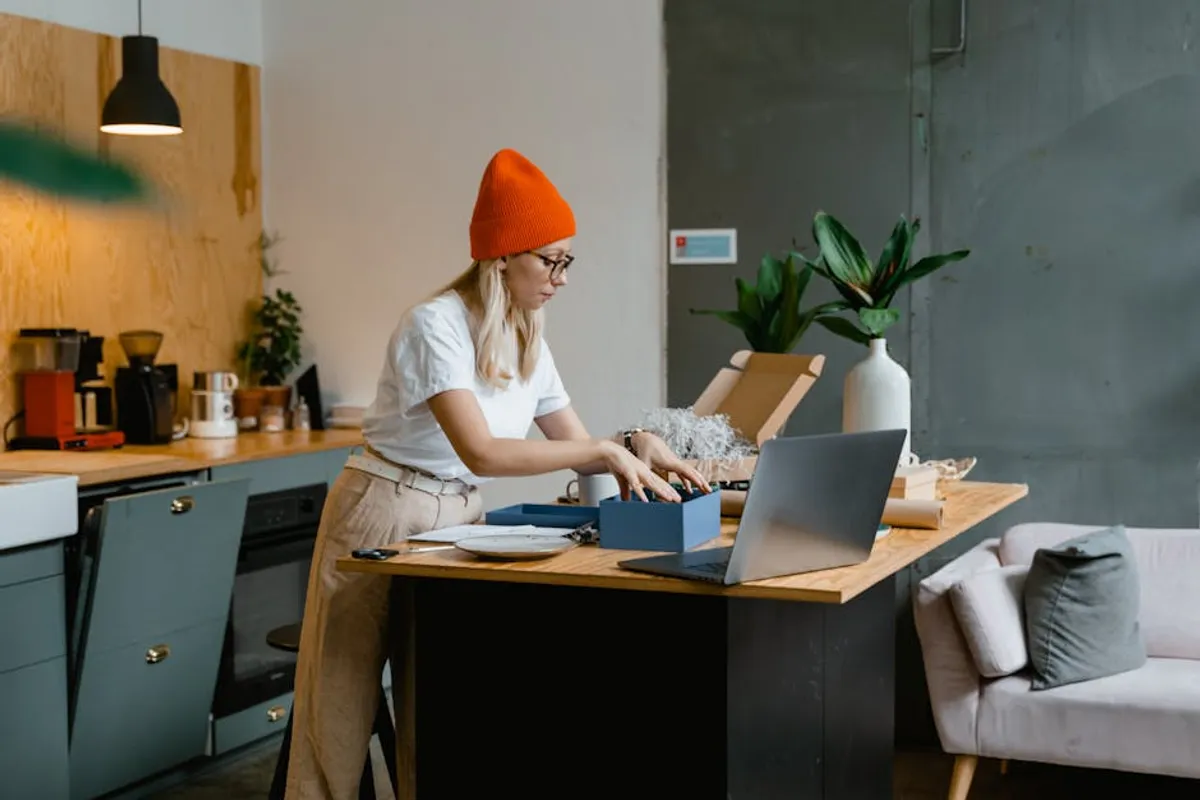
Living creatively in a small apartment presents a unique challenge: reconciling expansive ideas with limited square footage. For artists, writers, designers, musicians, or any professional whose work demands inspiration and dedicated space, the constraints of compact living can feel stifling. However, a small apartment can become a powerful incubator for creativity when approached with strategic intent. The goal is not merely to fit belongings but to cultivate an environment that fosters focus, minimizes distraction, and supports the flow of creative thought, all within a confined footprint. This requires thoughtful design, smart organization, and an understanding of how physical space influences mental state.
What to Look For in a Creative Small Apartment Setup
Transforming a compact apartment into a creative sanctuary involves more than just aesthetics; it’s about functional optimization and psychological comfort. When evaluating potential solutions or designing your space, consider these core elements:
- Adaptability and Flexibility: Creative processes are rarely linear. Your space should accommodate shifts from intense focus to collaborative brainstorming, from hands-on production to digital work. Look for solutions that allow areas to transform or serve multiple purposes without significant effort.
- Strategic Storage: Creative work often involves materials, tools, and reference items. Effective storage is paramount to prevent clutter from overwhelming the space and the mind. Prioritize solutions that are both accessible and discreet, keeping necessary items at hand while maintaining visual calm.
- Lighting Quality: Natural light is crucial for mood and accurate color perception, especially for visual artists. Supplement natural light with adjustable task lighting that can be tailored to specific activities and times of day, reducing eye strain and enhancing concentration.
- Inspirational Elements: A creative space needs to spark ideas. This might involve curated display areas for art, books, or personal mementos, or simply a clear, uncluttered surface that invites new projects. Balance inspiration with visual quietude to avoid overstimulation.
- Defined Zones: Even in a single room, delineating areas for work, rest, and leisure can significantly improve focus and mental separation. Use furniture placement, rugs, or subtle dividers to create psychological boundaries that support different activities.
- Acoustic Management: Noise can be a major disruptor for creative work. Consider solutions that absorb sound, provide privacy, or allow for controlled audio environments, especially if you share walls or live in a bustling area.
1. Multifunctional Furniture Integration
Multifunctional furniture is a cornerstone of efficient small apartment living, particularly for creatives who need their space to adapt to various activities. Pieces like sofa beds, ottomans with hidden storage, or dining tables that convert into desks maximize utility without consuming additional floor space. This approach allows a single area to fluidly transition from a living room to a workspace or a guest bedroom, supporting the dynamic nature of creative work and life within a limited footprint.
Best For: Creatives who require their primary living area to serve multiple, distinct functions throughout the day, such as a writer needing a quiet desk by day and a comfortable reading nook by night.
Pros: Significantly conserves floor space; reduces visual clutter by combining items; offers spatial flexibility for diverse tasks; often features modern, streamlined designs.
Cons: Can be more expensive than single-purpose furniture; conversion mechanisms may require regular effort; durability can be a concern with frequent transformation; may compromise specific ergonomic needs if not chosen carefully.
Verdict: Essential for maximizing utility in compact creative living. Prioritize high-quality construction and smooth operation for longevity and ease of daily use.
2. Vertical Space Maximization
Leveraging vertical space is critical in small apartments, transforming walls into functional storage and display areas. Tall shelving units, wall-mounted desks, and suspended organizers draw the eye upward, creating an illusion of greater volume while providing practical solutions for books, art supplies, and decorative items. This strategy keeps surfaces clear, reducing visual noise and freeing up precious floor area, which is vital for maintaining an uncluttered environment conducive to creative thought.
Best For: Creatives with extensive collections of books, materials, or artwork who need to store and display items without encroaching on floor space.
Pros: Dramatically increases storage capacity; frees up floor space; offers opportunities for organized display; can create a sense of height and openness.
Cons: Requires careful installation; can make a room feel top-heavy if overdone; accessibility to higher shelves may require a step stool; potential for visual clutter if not organized meticulously.
Verdict: An indispensable technique for expanding storage and display in small creative spaces. Plan layouts carefully to maintain balance and visual harmony.
3. Dedicated Niche Zones
Creating dedicated niche zones involves using subtle cues to define distinct areas for different activities within an open or small layout. This could be a corner transformed into a reading nook with a comfortable chair and task lamp, or a small alcove designated as a focused workspace. These zones provide psychological boundaries, allowing creatives to mentally switch gears between work, relaxation, and personal pursuits, even when physical separation is minimal. Rugs, lighting, and small furniture pieces are effective tools for this delineation.
Best For: Creatives who struggle with maintaining focus or separating work from leisure in a single-room apartment, needing clear mental cues for different activities.
Pros: Enhances mental clarity and focus by assigning specific functions to areas; promotes work-life balance within a small footprint; adds character and visual interest to the space; can be implemented with minimal structural changes.
Cons: Requires careful planning to avoid overcrowding; can feel less flexible than fully open layouts; effectiveness depends on consistent adherence to zone functions; may still feel visually connected to other areas.
Verdict: A powerful psychological tool for managing a small creative space. Implement with intention, ensuring each zone serves a clear, distinct purpose.
4. Strategic Lighting Design
Effective lighting design is paramount for creative work, especially in small apartments where natural light might be limited. A layered approach combining ambient, task, and accent lighting allows for flexible illumination tailored to specific activities and moods. Bright, adjustable task lighting is crucial for detailed work, while softer ambient light can create a relaxing atmosphere for brainstorming or unwinding. Smart lighting systems offer additional control, allowing creatives to adjust color temperature and intensity to match their workflow or inspire a particular mood.
Best For: Creatives whose work demands precise visual conditions, such as illustrators, photographers, or crafters, as well as those sensitive to environmental mood.
Pros: Improves visual comfort and reduces eye strain; enhances productivity and focus; allows for mood setting and inspiration; can visually expand a small space.
Cons: Can be an initial investment; requires careful planning to avoid glare or insufficient illumination; too many fixtures can clutter a small space; reliance on artificial light can impact natural circadian rhythms.
Verdict: A non-negotiable element for a functional and inspiring creative small apartment. Invest in versatile, high-quality fixtures with adjustable features.
5. Curated Display and Inspiration Boards
For creatives, a living space should be a source of inspiration, not just utility. Curated display areas, such as gallery walls, open shelving for books and objects, or dedicated mood boards, serve as visual repositories of ideas, textures, and colors. These elements personalize the space, provide ongoing stimulation, and allow creatives to showcase their work or influences without adding clutter. The key is thoughtful curation, ensuring displays are inspiring without becoming overwhelming or disorganized.
Best For: Visual artists, designers, writers, or anyone who draws inspiration from visual cues and needs a dynamic, evolving source of creative input.
Pros: Constantly refreshes creative input; personalizes the living space; allows for showcasing personal projects or influences; can serve as a focal point in a room.
Cons: Can quickly become cluttered if not regularly maintained; requires careful selection to avoid visual noise; may not appeal to minimalists; can accumulate dust and require frequent cleaning.
Verdict: A vital component for fostering inspiration. Maintain a disciplined approach to curation, regularly refreshing and decluttering displays to keep them impactful.
6. Portable and Collapsible Workstations
In a small apartment, a permanent, large desk can be an impractical luxury. Portable and collapsible workstations offer a flexible alternative, allowing creatives to set up a dedicated work surface only when needed. Options range from wall-mounted fold-down desks to lightweight, wheeled carts that can be stowed away. This approach preserves open floor space for other activities and prevents the workspace from dominating the entire apartment, promoting a clearer separation between work and leisure.
Best For: Creatives who primarily work digitally or with minimal physical materials, and those who prefer to keep their workspace out of sight when not in use.
Pros: Frees up significant floor space when not in use; offers flexibility in choosing work locations within the apartment; promotes better work-life separation; can be relatively affordable.
Cons: May not be suitable for extensive equipment or large-scale projects; setup and breakdown can be a minor inconvenience; stability and ergonomics might be compromised compared to a fixed desk; limited storage integrated into the workstation itself.
Verdict: An excellent solution for optimizing space and maintaining flexibility. Choose models that prioritize stability and ease of deployment for consistent use.
7. Smart Storage Solutions for Materials
Creative endeavors often involve a diverse array of materials, from paints and fabrics to electronics and tools. Smart storage solutions go beyond basic shelves, incorporating items like rolling carts with drawers, clear stackable bins, pegboards, and modular drawer systems. These solutions ensure materials are organized, easily accessible, and protected, preventing clutter from accumulating and disrupting the creative flow. Labeling and categorizing items within these systems further enhances efficiency.
Best For: Artists, crafters, and makers with numerous supplies and tools who need efficient, accessible organization to support their workflow.
Pros: Keeps materials organized and accessible; prevents clutter and visual overwhelm; protects delicate supplies; maximizes storage within cabinets or under furniture.
Cons: Can be an ongoing investment as creative supplies grow; requires consistent effort to maintain organization; poorly chosen systems can create new clutter; may not accommodate unusually shaped or oversized items.
Verdict: Crucial for maintaining a functional and inspiring creative environment. Invest in modular, adaptable systems that can evolve with your creative practice.
8. Color Psychology and Mood Setting
The strategic use of color can profoundly impact mood, focus, and creativity within a small apartment. Cool tones like blues and greens can promote calm and concentration, while warmer hues like yellows and oranges might stimulate energy and optimism. Creatives can use accent walls, textiles, or furniture to introduce colors that support their specific needs, whether it's a tranquil corner for writing or a vibrant area for brainstorming. This leverages psychological principles to enhance the functional and inspirational qualities of the space.
Best For: Creatives sensitive to their environment's psychological impact, seeking to influence their mood or focus through subtle design elements.
Pros: Inexpensive and impactful way to transform a space; can create specific moods or foster particular types of creativity; adds personality without consuming physical space; can be easily changed over time.
Cons: Overuse of strong colors can be overwhelming in a small space; personal preferences vary widely; requires understanding of color theory to be most effective; may not address purely functional space constraints.
Verdict: A powerful, often overlooked tool for shaping the emotional and cognitive landscape of a small creative apartment. Use deliberately and in moderation.
9. Soundproofing and Acoustic Treatment
Noise pollution can be a significant impediment to creative work, especially in urban small apartments. Implementing soundproofing and acoustic treatment solutions can create a quieter, more focused environment. This might involve heavy curtains, strategically placed rugs, acoustic panels, or even weatherstripping around doors and windows. For musicians or podcasters, dedicated acoustic foam or portable vocal booths can minimize sound bleed and improve recording quality, allowing for undisturbed creative production.
Best For: Musicians, podcasters, writers, or anyone whose creative process is easily disrupted by external noise or who needs to control internal sound production.
Pros: Significantly reduces distractions from external noise; improves focus and concentration; enhances audio quality for recording creatives; creates a sense of privacy and calm.
Cons: Can be an expensive investment; some solutions may be visually intrusive in a small space; complete soundproofing is often impractical in a rental; may require professional installation for optimal results.
Verdict: A critical investment for creatives whose work demands auditory focus or controlled sound environments. Prioritize solutions that offer the best balance of effectiveness and aesthetic integration.
10. Digital Decluttering and Organization
While often overlooked in physical space discussions, digital clutter can be as detrimental to creative flow as physical mess. For creatives working primarily on computers, a well-organized digital environment—with clear file structures, cloud backups, and minimized desktop icons—reduces mental friction. This practice extends to managing subscriptions, notifications, and digital tools, ensuring that the digital workspace is as streamlined and inspiring as the physical one. It frees up cognitive load, allowing more mental energy for creative tasks.
Best For: Digital artists, writers, programmers, or any creative whose primary tools and output are computer-based, and who struggle with digital distractions.
Pros: Reduces mental fatigue and improves focus; enhances efficiency and workflow; protects creative assets through organized backups; contributes to a sense of overall order.
Cons: Requires consistent effort and discipline; can be time-consuming to initially organize; may require investment in cloud storage or organizational software; doesn't directly address physical space issues.
Verdict: An indispensable, albeit often invisible, component of a productive creative environment. Consistent digital hygiene directly impacts mental clarity and creative output.
11. Biophilic Design Elements
Integrating biophilic design elements—such as houseplants, natural materials, and views of nature—can significantly enhance well-being and creativity in a small apartment. Even a few well-placed plants can improve air quality, reduce stress, and provide a connection to the natural world, which is often lacking in urban environments. Using wood, stone, or natural fibers in decor can further ground the space, fostering a calming and inspiring atmosphere conducive to creative thought and relaxation.
Best For: Creatives who benefit from a connection to nature, seek stress reduction, or prefer a calming, organic aesthetic in their living and working spaces.
Pros: Improves air quality and reduces stress; enhances mood and cognitive function; adds natural beauty and texture to a space; relatively inexpensive to implement.
Cons: Plants require care and maintenance; limited space might restrict the number or size of plants; some natural materials can be more expensive; may not appeal to all aesthetic preferences.
Verdict: A simple yet powerful way to infuse a small creative apartment with vitality and tranquility. Choose low-maintenance plants and integrate natural textures thoughtfully.
12. Flexible Layouts and Room Dividers
In small apartments, rigid layouts can hinder creative flow. Flexible layouts, achieved through furniture on casters, modular shelving, or movable room dividers, allow for dynamic reconfiguration of the space. Screens, curtains, or even large plants can serve as temporary dividers, creating instant privacy or separating a workspace from a living area. This adaptability is crucial for creatives who might need to transform their environment for different projects, collaborative sessions, or moments of quiet contemplation.
Best For: Creatives who need to frequently reconfigure their space for different projects, or who desire temporary visual and psychological separation within an open-plan apartment.
Pros: Provides immediate visual and psychological separation; allows for quick transformation of the space; can be cost-effective compared to permanent walls; adds a decorative element.
Cons: May not offer full sound privacy; can reduce natural light distribution; some dividers can feel bulky in very small spaces; requires effort to move and reconfigure regularly.
Verdict: An effective strategy for creating dynamic, adaptable zones within a small apartment. Select dividers that are lightweight, attractive, and easy to maneuver.
Choosing the Right Approach for Your Creative Space
The optimal small apartment setup for a creative individual is not a one-size-fits-all solution. It hinges on understanding your specific creative process, the tools you use, and your personal comfort levels. Begin by auditing your current space and identifying pain points: Is clutter hindering your focus? Do you lack a dedicated work zone? Is the lighting inadequate for your tasks? Prioritize solutions that address your most pressing needs first, then incrementally integrate additional strategies. Consider the long-term impact on your workflow and well-being. A successful creative space is one that supports your unique journey without adding unnecessary friction.
Frequently Asked Questions
How can I make a small apartment feel larger and more inspiring for creative work?
To make a small apartment feel larger and more inspiring, focus on vertical space maximization, strategic lighting design, and a minimalist approach to decor. Use light colors on walls, incorporate mirrors to reflect light, and choose furniture with clean lines. Ensure pathways are clear and avoid overcrowding. For inspiration, curate a small, meaningful display of art or objects rather than a large collection.
What are the most essential items for a creative workspace in a tiny apartment?
The most essential items for a creative workspace in a tiny apartment include a stable, ergonomic work surface (whether fixed or portable), adjustable task lighting, and smart storage solutions for your specific tools and materials. A comfortable chair is also critical for sustained work. Prioritize items that are multifunctional or can be easily stowed away when not in use.
How can I separate my work and living areas in a studio apartment?
Separating work and living areas in a studio apartment can be achieved through various non-permanent methods. Use room dividers like folding screens, tall shelving units, or heavy curtains to create visual and psychological boundaries. Strategically place furniture to define zones, such as placing your desk against a wall or behind a sofa. Consistent use of specific areas for specific activities also helps reinforce this separation mentally.
Is it possible to have a dedicated creative studio in a small apartment?
While a full-sized dedicated studio might be challenging, it is absolutely possible to create a highly functional "micro-studio" or dedicated creative zone within a small apartment. This involves maximizing every inch with vertical storage, using portable or fold-down workstations, and employing smart organization for materials. The key is to optimize for your specific creative needs, whether it's an easel that folds flat or a digital setup that tucks away neatly.
What role does organization play in fostering creativity in a small space?
Organization plays a critical role in fostering creativity in a small space by reducing visual and mental clutter. A disorganized environment can be a constant source of distraction and stress, hindering focus and creative flow. Efficient organization ensures that tools and materials are easily accessible, allowing for seamless transitions between tasks and preventing the frustration of searching for items. It frees up cognitive resources, enabling more energy to be directed towards creative problem-solving and ideation.