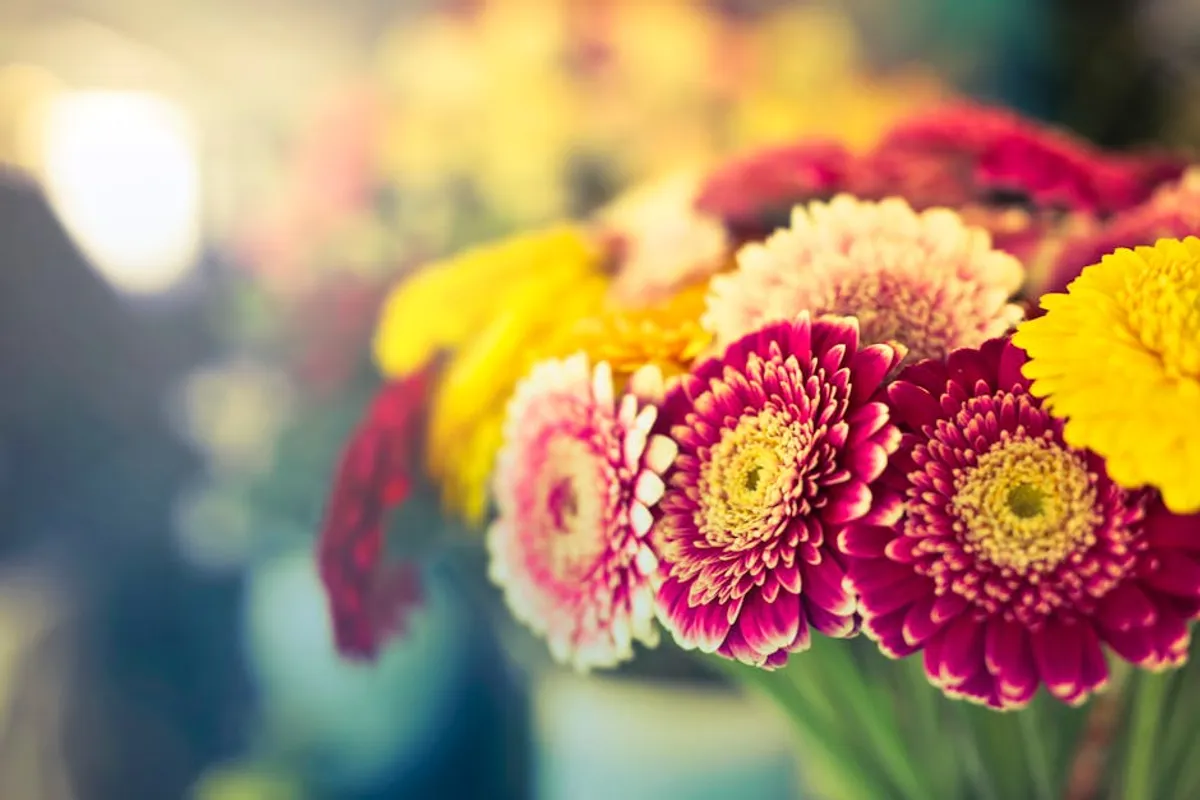
For busy adults, selecting flowers often involves a hurried decision, yet the impact of that choice can be significant, communicating everything from profound affection to professional respect. A poorly chosen bloom, however, can inadvertently send the wrong message, undermining the gesture's intent. This isn't about becoming a floral historian; it's about equipping yourself with an efficient, reliable checklist to navigate common gifting scenarios with confidence and precision. The goal is to ensure your floral gifts consistently convey the desired sentiment, saving time and preventing missteps in personal and professional relationships.
Why a Curated Flower Meanings Checklist Is Indispensable
Time is a finite resource, especially for busy professionals and caregivers. Relying on last-minute internet searches for flower meanings is inefficient and prone to error, particularly when navigating nuanced social or corporate situations. A pre-vetted checklist streamlines decision-making, transforming a potential source of anxiety into a quick, informed choice. This structured approach ensures that whether you're sending congratulations, expressing sympathy, or celebrating a milestone, your floral selection is not only beautiful but also culturally appropriate and emotionally resonant. It eliminates guesswork, allowing you to focus on the recipient and the occasion rather than deciphering complex floral dictionaries on the fly.
Crafting Your Essential Floral Lexicon
Building an effective flower meanings checklist requires prioritizing utility over exhaustive detail. Focus on the most commonly available flowers and their primary associations, ensuring immediate applicability across a range of situations.
Prioritizing Common Occasions and Recipients
The utility of your checklist hinges on its relevance to your typical gifting scenarios. Consider the occasions that most frequently call for flowers in your life:
- Celebrations: Birthdays, anniversaries, graduations, promotions.
- Expressions of Love/Affection: Romantic gestures, appreciation for family or close friends.
- Sympathy/Condolence: Funerals, illness, loss.
- Apologies/Forgiveness: Making amends after a misunderstanding.
- Professional Gratitude: Thanking colleagues, clients, or mentors.
- Get Well Soon: Wishing recovery and comfort.
For each category, identify 2-3 key sentiments you want to convey. This framework helps filter the vast world of flower meanings into a manageable, actionable list tailored to your needs.
Core Meanings for High-Impact Flowers
Focus on flowers readily available at florists and supermarkets, noting their primary associations. This list provides a foundation for quick, informed choices:
- Rose (Red): Deep love, passion.
- Rose (Pink): Admiration, gratitude, joy.
- Rose (White): Purity, innocence, new beginnings, remembrance.
- Rose (Yellow): Friendship, joy, warmth (can also signify jealousy in some contexts, use with care).
- Lily (White): Purity, majesty, sympathy.
- Tulip (Red): True love.
- Tulip (Yellow): Cheerful thoughts, sunshine.
- Carnation (Pink): Gratitude, mother's love.
- Carnation (Red): Deep love, admiration.
- Daisy: Innocence, purity, new beginnings.
- Sunflower: Adoration, longevity, happiness.
- Orchid: Beauty, luxury, strength, exotic elegance.
- Peony: Prosperity, good fortune, happy marriage.
- Hydrangea: Heartfelt emotion, gratitude, understanding.
This curated selection covers a broad spectrum of sentiments, allowing for versatile gifting without extensive research.
Integrating Flower Meanings into Your Gifting Workflow
The true value of a checklist lies in its practical application. Integrate it seamlessly into your decision-making process for maximum efficiency.
Rapid Selection for Last-Minute Needs
When time is critical, your checklist acts as an immediate reference. If you need to send a quick thank-you, a glance at "Pink Rose" or "Hydrangea" will confirm "gratitude." For a birthday, "Yellow Tulip" or "Sunflower" quickly signals "joy." This avoids the paralysis of choice and ensures a thoughtful gift even under pressure. Keep this list accessible—a digital note, a printed card in your wallet, or a quick bookmark on your phone can serve this purpose.
Contextual Nuances and Avoiding Gaffes
Pro Tip: While a basic checklist provides quick guidance, always consider the recipient's personal preferences or cultural background. A flower with a universally positive meaning might carry a different connotation for an individual, or in a different region. For example, while white lilies often symbolize purity, they are also strongly associated with funerals in many Western cultures. Always prioritize known personal preferences over strict traditional meanings if you have that information.
Understanding the primary meaning is key, but also be aware of potential secondary or cultural interpretations. For instance, while yellow roses generally mean friendship, some older traditions link them to jealousy. Similarly, certain flowers are strongly associated with specific religious ceremonies or mourning periods in different cultures. A quick mental check against known cultural sensitivities can prevent unintended offense and reinforce the thoughtful nature of your gift.
Beyond the Everyday: Expanding Your Knowledge Base
While a core checklist handles most situations, there will be times when a more unique or specific message is required. When you have more time, explore less common flowers like the Freesia (innocence, trust), Delphinium (openness, joy), or Anemone (anticipation, fading hope). These offer opportunities for deeper personalization, but should be reserved for situations where you can dedicate the time to research their specific nuances and ensure availability.
Sustaining Your Thoughtful Gifting Practice
To maintain the effectiveness of your flower meanings checklist, integrate it into your routine. Periodically review and update your list based on new experiences or evolving relationships. If you discover a recipient has a strong aversion or preference for a particular flower, incorporate that into your notes. This iterative process ensures your checklist remains a living, relevant tool for thoughtful and impactful gifting, solidifying your reputation as someone who pays attention to detail and cares deeply.
Frequently Asked Questions
How accurate are traditional flower meanings?
Traditional flower meanings, or floriography, are largely derived from Victorian-era conventions and cultural folklore. While widely recognized, their exact interpretation can vary slightly depending on the source and regional context. They serve as a reliable guide for general sentiment, but individual perception and personal associations always hold precedence.
Should I always follow traditional meanings strictly?
No, strict adherence isn't always necessary. While traditional meanings offer a framework for thoughtful gifting, the most impactful gifts often consider the recipient's personal preferences, favorite colors, or specific memories associated with certain flowers. Use traditional meanings as a starting point, then personalize as appropriate.
What if a flower has multiple meanings?
Many flowers carry several meanings, sometimes even contradictory ones. In such cases, consider the dominant, most positive, or most commonly understood meaning for your specific context. For example, while yellow roses can symbolize jealousy, their primary modern association is friendship and joy, making them suitable for most non-romantic friendly gestures.
Are there regional or cultural differences in flower meanings?
Yes, significant regional and cultural differences exist. For instance, white lilies are often associated with funerals in Western cultures, but in other cultures, they might symbolize purity or rebirth. Red flowers, while often signifying love, can have different connotations in Asian cultures. Always be mindful of the recipient's cultural background when making a selection.