
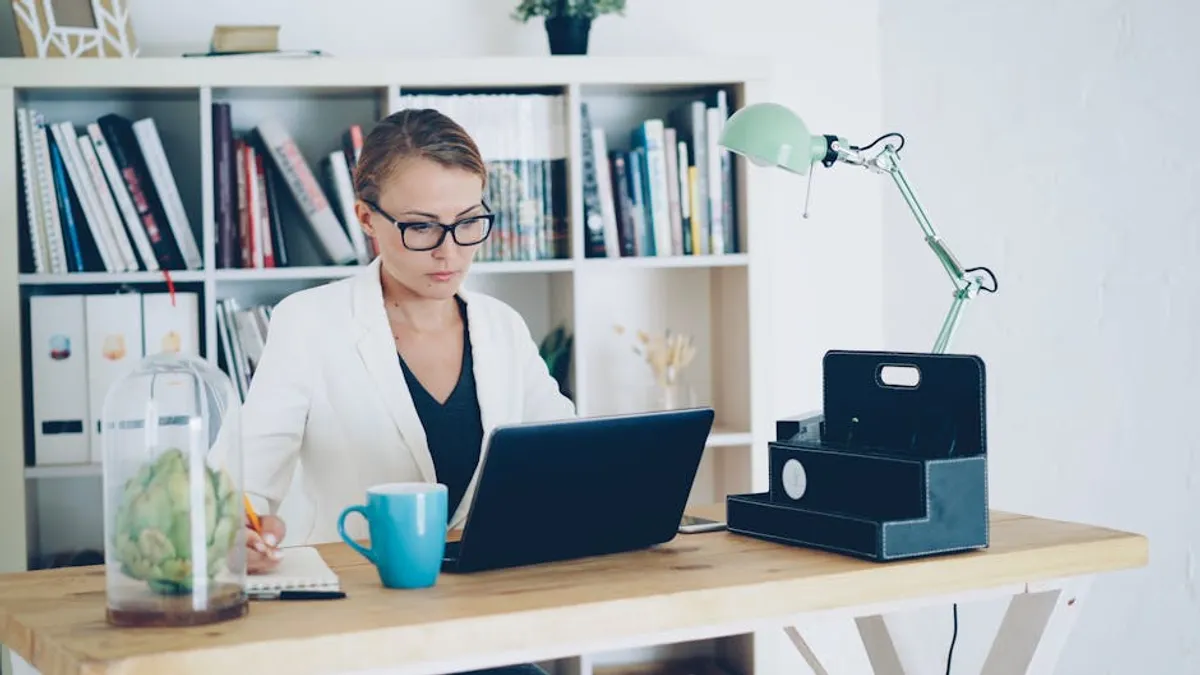
Effective home organization doesn't require a complete overhaul or a significant financial investment in new containers. Instead, it often hinges on implementing small, consistent changes that address specific pain points in your living space. The goal isn't just aesthetic appeal; it's about creating an environment that supports efficiency, reduces mental load, and provides a sense of calm. This article outlines simple, actionable ideas you can integrate into your routine this week, focusing on immediate impact and sustainable habits rather than extensive projects.
The "One-Touch" Rule for Immediate Decluttering
The "one-touch" rule dictates that when you pick something up or bring something into your home, you handle it once and put it in its designated place immediately. This prevents items from accumulating on surfaces, which is a primary cause of visual clutter and disorganization. Applying this rule consistently can drastically reduce the time spent tidying later.
Applying the One-Touch Rule Daily
- Mail and Papers: Instead of placing mail on a counter, immediately open it, discard junk mail, and file or act on important documents. A dedicated inbox or shredder near your entry point facilitates this.
- Keys and Wallet: Establish a specific hook or tray near the door for these essential items. They should go there every single time you enter your home.
- Clothing: When you take off clothes, either hang them back up, place them in a laundry hamper, or fold them and put them away. Avoid the "chair-drobe" accumulation.
- Groceries: Put away all groceries as soon as you bring them home, rather than leaving bags on the counter for later.
This approach minimizes the mental energy required for decision-making later and transforms tidying into a series of micro-tasks rather than a daunting chore.
Zone-Based Organization: Tackling High-Traffic Areas
Instead of attempting to organize an entire room, focus on specific "zones" that tend to collect clutter. These are typically high-traffic areas or surfaces that serve as default dumping grounds. Addressing these zones systematically yields noticeable results quickly.
Entryway and Mudroom Zones
The entryway sets the tone for your home. Implement solutions that manage items coming in and out:
- Shoe Storage: A simple shoe rack, basket, or mat keeps footwear contained.
- Coat Hooks: Install hooks at varying heights for adults and children to encourage immediate hanging.
- Catch-All Tray: A small tray for keys, sunglasses, and wallets prevents these items from scattering.
Kitchen Countertop Zones
Kitchen counters are prime real estate. Keep them clear to maximize workspace and reduce visual noise.
- Designated Appliance Spots: Only keep frequently used appliances (e.g., coffee maker, toaster) on the counter. Store less-used items in cabinets.
- Utensil Crocks: Keep essential cooking utensils in a crock near the stove for easy access, but avoid overcrowding.
- Dish Drying Rack: Use one that can be folded or stored away when not in use, or commit to drying and putting dishes away immediately.
Nightstand and Bathroom Counter Zones
These personal spaces often accumulate small items. Implement simple containment strategies.
- Nightstand Drawers/Baskets: Use drawers or a small basket to contain books, hand cream, and charging cables. Keep the surface clear for a lamp and a glass of water.
- Bathroom Trays: A small tray on the bathroom counter can corral toiletries, keeping them organized and preventing water rings. Store daily-use items in drawers or medicine cabinets.
Vertical Space Utilization: Unlocking Hidden Storage
Many homes have untapped storage potential in vertical spaces. Maximizing these areas can significantly increase storage capacity without expanding your footprint.
Leveraging Walls and Doors
- Wall-Mounted Shelves: Install floating shelves in offices, bathrooms, or living areas for books, decor, or supplies.
- Over-the-Door Organizers: These are excellent for shoes, cleaning supplies, pantry items, or toiletries, utilizing space that often goes unused.
- Pegboards: In a craft room, garage, or even a kitchen, a pegboard system allows for customizable, visible storage for tools, utensils, or supplies.
Drawer and Cabinet Dividers
Even if you have ample drawer space, internal disorganization can negate its utility. Dividers keep items separated and prevent them from becoming a jumbled mess.
- Kitchen Drawers: Use cutlery trays, adjustable dividers for utensils, or small bins for spices.
- Bedroom Dressers: Fabric drawer organizers are effective for socks, underwear, or small accessories.
- Bathroom Cabinets: Stackable bins or risers can double the storage capacity under sinks, keeping cleaning products or toiletries neatly arranged.
Pro Tip: Before purchasing any new organization products like bins or shelves, measure your space accurately and identify exactly what you intend to store. Buying containers without a clear plan often leads to more clutter and wasted resources. Start with what you have, declutter first, then buy only what's necessary to contain the remaining items effectively.
Digital Decluttering: An Often Overlooked Area
Home organization extends beyond physical items. A cluttered digital environment can contribute to stress and inefficiency. Dedicate time this week to streamline your digital life.
- Desktop Cleanup: Create a few main folders (e.g., "Work," "Personal," "To Process") and move all loose files into them. Aim for a clean desktop background.
- Email Management: Unsubscribe from unnecessary newsletters. Create folders or use labels to categorize important emails. Delete old, irrelevant messages.
- Photo Organization: Dedicate an hour to deleting duplicate or blurry photos. Create a simple folder structure for your remaining images by year or event.
- App Review: Delete unused apps from your phone or tablet. Organize remaining apps into logical folders on your home screen.
A streamlined digital space can reduce distractions and improve focus, mirroring the benefits of a well-organized physical home.
The Power of the "Fifteen-Minute" Tidy
The concept of a "fifteen-minute tidy" involves dedicating a short, focused burst of time each day to organization. This prevents minor disarray from escalating into overwhelming clutter.
Integrating Short Tidy Sessions
- Morning Reset: Before leaving for work or starting your day, spend 15 minutes tidying the bedroom or kitchen.
- Evening Sweep: Before bed, spend 15 minutes putting away items that have accumulated during the day in common areas like the living room or dining table.
- Targeted Task: Choose one small area each day (e.g., one drawer, a section of a bookshelf) and dedicate 15 minutes to organizing it.
This consistent, low-effort approach makes organization a manageable part of your daily routine rather than a large, infrequent project.
Sustaining Your Organized Space
Implementing these ideas this week is a strong start, but maintaining an organized home requires ongoing effort. The key is to integrate these practices into your daily and weekly routines until they become second nature. Focus on progress, not perfection. If an area becomes cluttered, revisit the "one-touch" rule or dedicate another 15-minute session to reset it. Consistency, more than intensity, is the foundation of lasting home organization.
Frequently Asked Questions
How often should I declutter my home?
A deep decluttering session can be beneficial quarterly or semi-annually, but daily "micro-decluttering" (like the 15-minute tidy) is more effective for maintenance. Regularly applying the "one-touch" rule prevents major build-ups.
What if I don't have much storage space?
Focus on vertical storage solutions (shelves, over-the-door organizers) and multi-functional furniture (ottomans with storage, beds with drawers). Critically, prioritize decluttering to reduce the sheer volume of items you need to store.
Where do I start if my home is very disorganized?
Begin with one small, high-impact area, such as a single drawer, a countertop, or your entryway. Achieving success in a small zone provides motivation to tackle larger areas. Don't try to do everything at once.
Is it okay to get rid of sentimental items?
It's a personal decision. Consider keeping a select few truly meaningful items and photographing others to preserve memories without retaining the physical object. Digital photo albums can hold many memories without taking up physical space.



