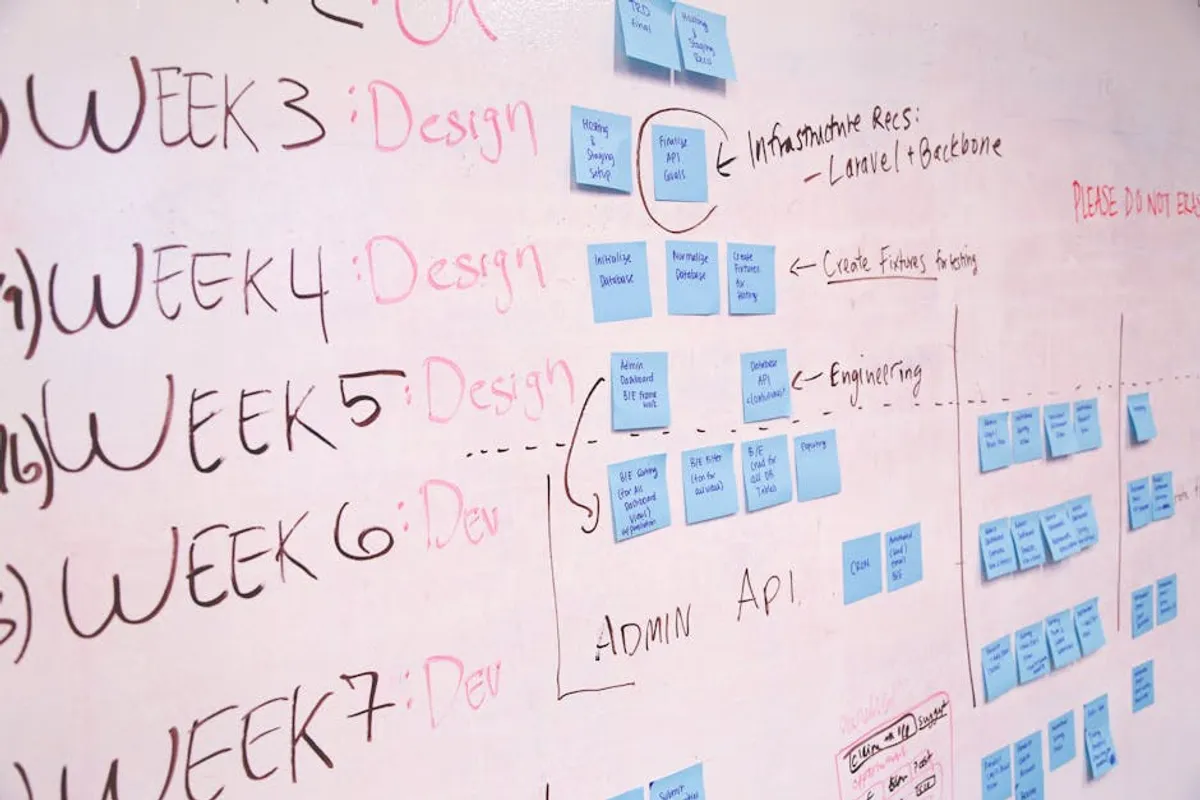
Navigating a professional week often feels like a reactive sprint, with urgent tasks displacing important ones and a constant undercurrent of stress. The solution isn't simply working harder; it's working smarter through intentional weekly organization. This approach transforms your week from a series of unplanned reactions into a structured, purposeful progression, reducing mental overhead and freeing up capacity for strategic thinking and execution. By dedicating a small, focused block of time to plan, you gain control over your schedule, prioritize effectively, and create a sustainable rhythm that supports both productivity and personal well-being.
Establishing Your Weekly Planning Ritual
Choosing the Right Time and Tools
Effective weekly organization begins with a consistent ritual. Designate a specific, recurring time slot for planning – typically 30-60 minutes. Sunday evening is often effective for reviewing the past week and setting intentions for the next, allowing you to start Monday with clarity. Alternatively, Monday morning before other tasks begin can work, provided you protect that time. The choice of tools should align with your existing workflow and preferences for digital versus analog. Digital calendar applications (e.g., Google Calendar, Outlook Calendar) are strong for time blocking and sharing availability, offering immediate visual cues for allocated time. Task management platforms (e.g., Asana, Trello, Monday.com) excel at breaking down projects into actionable steps and tracking progress. For those who prefer tactile engagement, a physical planner or notebook can facilitate deeper reflection and less digital distraction. The key is consistency and integration into your workflow, not the tool's complexity.
Defining Your Core Priorities
Before populating your calendar with tasks, identify your 3-5 most critical objectives for the week. These are the high-impact items that, if completed, would make the week feel successful, regardless of other activity. These priorities should align with larger quarterly or annual goals. Without this top-down perspective, your week risks becoming a collection of urgent but ultimately less significant tasks. Write these priorities down clearly. This initial filter ensures that your subsequent scheduling efforts are directed towards what truly matters, preventing the common pitfall of a busy but unproductive week.
Structuring Your Week for Flow, Not Force
Time Blocking for Focused Work
Once priorities are established, translate them into specific time blocks on your calendar. Time blocking involves allocating dedicated, uninterrupted periods for particular tasks or projects. For example, if a core priority is "Draft Q3 marketing report," block out 2-3 hours specifically for this task, perhaps on Tuesday morning. During this block, commit to working solely on that task, minimizing distractions like email notifications or instant messages. This method leverages deep work principles, allowing for sustained concentration and higher-quality output compared to fragmented work sessions. Be realistic about how much focused work you can accomplish in a block, typically 60-90 minutes before a short break is beneficial.
Batching Similar Tasks
Reduce cognitive load and improve efficiency by grouping similar tasks together. Instead of checking email sporadically throughout the day, designate 2-3 specific times (e.g., 9:00 AM, 1:00 PM, 4:30 PM) for processing your inbox. Similarly, schedule all phone calls or virtual meetings back-to-back, or dedicate a block to administrative tasks like expense reports or invoice processing. This "batching" minimizes context switching, which is a significant drain on mental energy and productivity. By focusing on one type of activity for a sustained period, you leverage momentum and reduce the time lost transitioning between disparate tasks.
Incorporating Buffer Time
A common mistake in weekly planning is over-scheduling every minute, leaving no room for the unexpected. Buffer time—unallocated blocks of 15-30 minutes between meetings or larger tasks, or even a larger block once or twice a week—is crucial for stress reduction. This white space allows for:
- Handling urgent, unforeseen requests without derailing the entire schedule.
- Processing information from the previous meeting or task.
- Taking a short mental break.
- Catching up on minor tasks that emerge.
Without buffer time, even minor deviations can lead to a domino effect of delays and increased stress. Treat buffer time as an essential component of your schedule, not an optional luxury.
Scheduling Breaks and Personal Time
Sustainable productivity requires regular breaks and intentional personal time. Integrate short breaks (5-10 minutes) every 60-90 minutes during focused work blocks. These breaks can involve stretching, stepping away from your screen, or a brief walk. More importantly, explicitly schedule personal appointments, exercise, and dedicated downtime into your weekly plan. Treating personal commitments with the same importance as professional ones ensures they are not perpetually deferred. This proactive scheduling prevents burnout, maintains mental freshness, and ultimately enhances sustained performance throughout the week and beyond.
Pro Tip: Avoid the Productivity Trap. While detailed planning is valuable, resist the urge to fill every minute of your schedule. An over-optimized calendar creates rigidity and anxiety when plans inevitably shift. Aim for a structure that provides direction and focus, but retains enough flexibility to absorb unforeseen demands without causing undue stress. The goal is control, not absolute adherence to a minute-by-minute itinerary.
Dynamic Management and Adaptation
Daily Review and Adjustment
A weekly plan is a living document, not a rigid decree. Dedicate 10-15 minutes at the start or end of each workday for a brief review. Assess progress on your daily tasks, identify any new urgent items, and make necessary adjustments to the remainder of your week. This daily check-in allows for agile adaptation, ensuring your plan remains relevant and responsive to changing circumstances without requiring a complete overhaul. It’s a micro-adjustment mechanism that prevents small deviations from becoming major disruptions.
The Art of Saying No
A well-organized week provides a clear framework against which to evaluate new requests. When an unexpected task or meeting invitation arises, consult your pre-defined priorities and time blocks. If the request does not align with your core objectives or would significantly disrupt essential focused work, you have a justified basis to decline or negotiate. Learning to politely but firmly say "no" or "not right now" is a critical skill for protecting your planned time and maintaining focus on high-value activities. Your organized schedule becomes a tangible reason for these decisions, reducing guilt and ambiguity.
Post-Week Reflection
Conclude each week with a 15-minute reflection. Review your completed tasks, assess what went well, and identify areas for improvement in your planning process.
- Did you allocate enough time for complex tasks?
- Were your priorities realistic?
- Did buffer time prove useful?
- What distractions impacted your focus?
This meta-analysis refines your organizational strategy over time, turning insights into actionable adjustments for the following week. This continuous feedback loop is what makes weekly organization a sustainable, stress-reducing practice rather than a one-off effort.
Actionable Steps for a Calmer Week
To transition from reactive task management to proactive weekly organization, start small. Designate a 30-minute block this coming Sunday or Monday morning specifically for planning. Begin by listing your three most important professional and one personal priority for the week. Then, block out 1-2 hours for your most critical professional task. Integrate at least two 15-minute buffer blocks. Commit to a 5-minute daily review. This incremental approach builds the habit without overwhelming you. The goal is not perfection in your first attempt, but consistent, intentional effort that gradually builds a more controlled and less stressful work rhythm. Your organized week becomes a foundation for greater impact and sustained well-being.
Frequently Asked Questions
How long should weekly planning take?
Initially, allocate 30-60 minutes. As you become more proficient, this time may reduce to 20-30 minutes, primarily focused on reviewing, adjusting, and setting new priorities.
What if my week is constantly unpredictable?
For highly dynamic roles, focus on blocking out fewer, larger "flexible work" or "response time" blocks rather than minute-by-minute scheduling. Prioritize daily review and adjustment, and ensure significant buffer time is built in. The goal shifts from strict adherence to agile adaptation within a structured framework.
Should I use digital or analog tools for planning?
The best choice depends on personal preference and workflow. Digital tools offer portability, easy editing, and integration with calendars and team platforms. Analog tools provide a distraction-free environment and can aid in deeper cognitive processing. Experiment to find what supports your focus and consistency best.
How do I avoid feeling restricted by a schedule?
View your schedule as a guide that empowers focus, rather than a rigid cage. Build in flexibility through buffer time and scheduled breaks. Remember that the schedule serves you, not the other way around. It’s a tool to ensure important work gets done and personal well-being is maintained, not a mandate for every second.