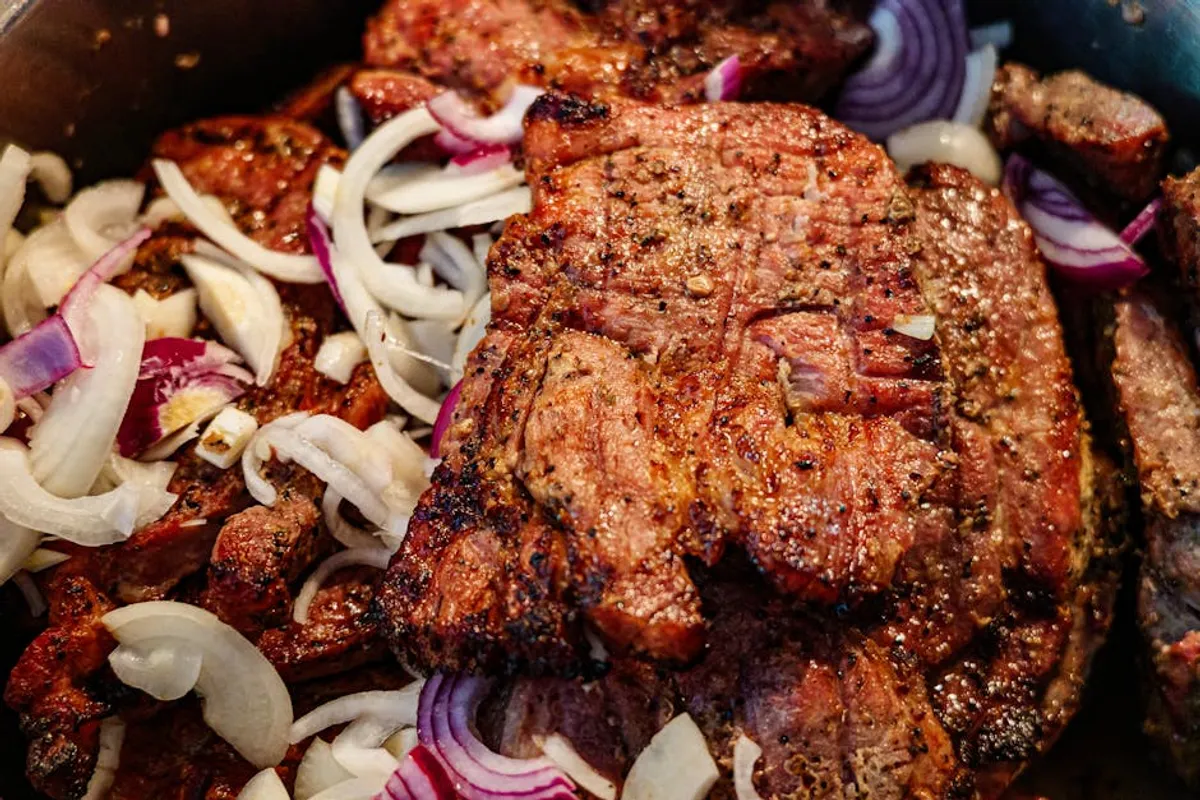
Reheating steak often yields a dry, tough, and unappetizing result, a common frustration for anyone looking to extend the enjoyment of a perfectly cooked cut. The primary challenge lies in preserving the steak's internal moisture and tenderness without overcooking the exterior or creating an uneven temperature. Achieving a juicy, flavorful reheated steak requires understanding precise temperature control and method selection, moving beyond the casual microwave zap that typically ruins texture and taste.
Understanding the Core Challenge: Moisture Retention
Steak's juiciness derives from its muscle fibers retaining moisture and fat. When initially cooked, heat causes muscle proteins to contract, expelling water. Reheating compounds this effect. High, rapid heat application, typical of many reheating methods, accelerates protein contraction and moisture loss, leading to a dry, stringy texture. The goal is to gently bring the steak back to an edible temperature, ideally around 120-130°F (49-54°C) for medium-rare, without further denaturing the proteins or evaporating residual moisture.
Key Principles for Successful Reheating
Regardless of the method chosen, adherence to several core principles significantly improves the outcome:
- Start Cold, Finish Hot: Avoid reheating directly from refrigerator-cold to scorching hot. Gradually warming the steak minimizes thermal shock and allows for more even heat distribution.
- Low and Slow Initial Heat: For most methods, a lower initial temperature allows the internal temperature to rise slowly and evenly, preventing the exterior from drying out before the center warms.
- High Heat Finish (Optional): A quick sear at the end can restore a desirable crust and caramelization, mimicking the initial cooking experience. This is crucial for texture.
- Add Moisture: Introducing a small amount of liquid or fat during reheating can help prevent desiccation.
- Rest the Steak: Just like freshly cooked steak, resting reheated steak allows juices to redistribute, preventing them from escaping immediately upon slicing.
Effective Reheating Methods
Oven Method: The Most Reliable for Even Heating
The oven method offers the most consistent and gentle reheating, particularly for thicker cuts (over 1 inch). It prioritizes even internal warming before a final crust restoration.
Steps:
- Preheat Oven: Set your oven to a low temperature, typically 250°F (120°C). This low heat minimizes further protein contraction.
- Prepare Steak: Allow the steak to come to room temperature for 15-30 minutes before placing it in the oven. This reduces the total reheating time and promotes even heating. Place the steak on a wire rack set over a baking sheet. This allows air to circulate around the steak, preventing the bottom from steaming.
- Slow Warming: Heat the steak for 20-30 minutes, or until its internal temperature reaches 110-120°F (43-49°C) for medium-rare, using a meat thermometer. Timing varies based on steak thickness.
- Sear for Crust: Once the desired internal temperature is reached, remove the steak from the oven. Heat a cast-iron skillet or heavy-bottomed pan over high heat until smoking. Add a small amount of high-smoke-point oil (e.g., grapeseed, avocado) and a pat of butter. Sear the steak for 60-90 seconds per side, until a rich, brown crust forms.
- Rest: Transfer the steak to a cutting board, tent loosely with foil, and rest for 5-10 minutes before slicing.
Best for: Thicker steaks, ensuring consistent internal temperature, achieving a fresh crust.
Skillet/Stovetop Method: Quick and Direct
This method is faster than the oven but requires more attention to prevent overcooking. It's suitable for thinner steaks or when time is limited.
Steps:
- Room Temperature: Let the steak sit at room temperature for 15-20 minutes.
- Low Heat Warm-Up: Heat a heavy-bottomed skillet (cast iron is ideal) over medium-low heat. Add a tablespoon of beef broth or water to create a moist environment, or a small amount of oil/butter. Place the steak in the pan.
- Gentle Warming: Cover the pan and heat for 3-5 minutes per side, turning frequently, until the steak is warm through to your preferred internal temperature (e.g., 120°F/49°C for medium-rare).
- High Heat Sear: Remove the lid, increase heat to medium-high or high, add a pat of butter, and sear for 1-2 minutes per side to develop a crust.
- Rest: Rest for 5 minutes before serving.
Best for: Thinner steaks, quicker reheating, stovetop-only option.
Sous Vide Method: Precision and Uniformity
For unparalleled precision and juiciness, sous vide is the gold standard. It reheats the steak to an exact temperature without any risk of overcooking.
Steps:
- Set Water Bath: Set your sous vide immersion circulator to your desired serving temperature (e.g., 129°F/54°C for medium-rare).
- Vacuum Seal: Place the cooked steak in a vacuum-sealable bag. If you don't have a vacuum sealer, use the water displacement method with a Ziploc bag to remove as much air as possible.
- Reheat: Submerge the bag in the preheated water bath. Reheat for 45-60 minutes for a typical steak (longer for very thick cuts). The steak cannot overcook using this method; it will simply hold at the target temperature.
- Sear: Remove the steak from the bag, pat thoroughly dry with paper towels. Sear in a screaming hot cast-iron skillet with oil and butter for 60-90 seconds per side to create a crust.
- Rest: A brief rest of 2-3 minutes is sufficient after sous vide, as the juices are already evenly distributed.
Best for: Maximum juiciness, precise temperature control, no risk of overcooking.
Air Fryer Method: Convenience with a Crisp
The air fryer offers a convenient way to reheat, providing a crisp exterior while warming the interior, though it requires careful monitoring to prevent drying.
Steps:
- Preheat Air Fryer: Preheat to 350°F (175°C).
- Prepare Steak: Allow steak to come to room temperature for 10-15 minutes. Lightly brush with a small amount of oil or butter.
- Reheat: Place steak in the air fryer basket. Cook for 3-5 minutes, flipping halfway, until warmed through. Check internal temperature with a thermometer.
- Rest: Rest for 5 minutes before serving.
Best for: Convenience, achieving a crisp exterior quickly.
Microwave Method: Last Resort with Caution
While generally discouraged for quality, the microwave can be used in a pinch, but it demands extreme care to avoid rubbery results.
Steps:
- Slice Thin: Slice the steak against the grain into thin strips (1/4 to 1/2 inch thick). This reduces heating time and minimizes uneven cooking.
- Add Moisture: Place slices in a microwave-safe dish. Add a tablespoon of beef broth or water, or a pat of butter, and cover the dish.
- Short Bursts: Microwave on 50% power for 30-second intervals, checking and stirring after each, until just warmed through. Do not overheat.
Best for: Absolute last resort, thin slices, when texture is not a primary concern.
Pro Tip: Always use a reliable instant-read meat thermometer to verify internal temperatures. Eyeballing doneness is a primary cause of dry, overcooked reheated steak. Target 120-125°F (49-52°C) for medium-rare before the final sear, as the temperature will rise slightly during resting.
Final Considerations for a Perfect Reheat
Beyond the method, a few additional steps contribute to a superior outcome. Always bring your steak to room temperature for 15-30 minutes before reheating; this promotes even heating and reduces the total time required. Consider adding a small amount of beef broth, a pat of butter, or a drizzle of olive oil to the steak before or during reheating to introduce moisture and flavor. Finally, resting the steak for 5-10 minutes after reheating is non-negotiable. This allows the muscle fibers to relax and reabsorb juices, ensuring a tender and moist result when sliced.
Frequently Asked Questions
Can I reheat steak more than once?
Reheating steak multiple times is generally not recommended. Each reheating cycle further degrades the meat's texture and flavor, increasing the likelihood of dryness and toughness due to repeated protein denaturation and moisture loss.
What is the best way to store leftover steak?
Store leftover steak in an airtight container in the refrigerator within two hours of cooking. Consume within 3-4 days. For longer storage, freeze steak in an airtight container or vacuum-sealed bag for up to 3 months.
Should I slice steak before reheating?
Generally, it's best to reheat steak as a whole piece, especially with methods like the oven or sous vide, to retain moisture. Slicing before reheating exposes more surface area, increasing the risk of drying out. However, for microwave reheating, thin slices are recommended for more even warming.
How do I prevent my steak from getting tough when reheated?
Prevent toughness by using low, gentle heat for the initial warming phase, avoiding high heat for extended periods, and ensuring the steak does not exceed your desired internal temperature. A quick, high-heat sear at the end is for crust development, not for cooking through.