
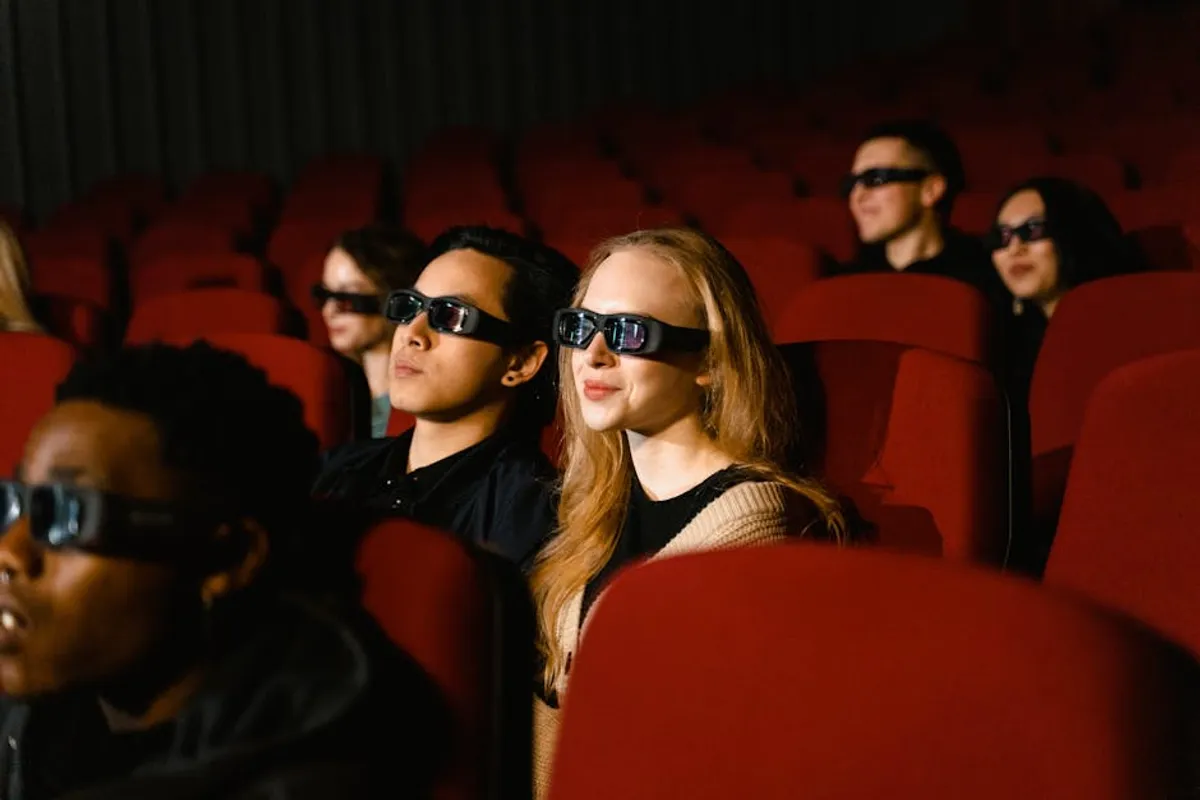
For creative individuals, a movie night extends beyond passive viewing; it represents an opportunity for inspiration, thematic immersion, and shared discovery. Standard popcorn-and-a-movie routines often fall short of engaging a mind primed for novel experiences and artistic detail. This checklist provides actionable strategies to transform a simple film screening into a curated event that stimulates the senses, sparks conversation, and potentially even ignites new creative projects. The goal is to shift from merely watching a film to actively experiencing a narrative, leveraging every element from thematic decor to interactive prompts, ensuring the evening resonates long after the credits roll.
Beyond the Popcorn: Crafting a Thematic Experience
The foundation of an inspiring movie night for creative people begins with intentional thematic planning. This involves more than just selecting a film; it means building an entire experience around its core elements.
Selecting Your Cinematic Anchor
Begin by choosing a film that offers rich visual, narrative, or auditory potential for thematic expansion. Avoid generic blockbusters unless they possess a unique stylistic hook. Instead, consider films renowned for:
- Distinct Art Direction: Movies with strong visual aesthetics, unique color palettes, or innovative set designs (e.g., Wes Anderson films, "Blade Runner 2049," "Pan's Labyrinth"). These provide immediate inspiration for decor and atmosphere.
- Compelling Narrative Structures: Films with non-linear storytelling, intricate character development, or profound philosophical themes (e.g., "Inception," "Pulp Fiction," "Eternal Sunshine of the Spotless Mind"). These invite deeper discussion and creative interpretation.
- Exceptional Soundscapes or Scores: Movies where music or sound design plays a critical role in mood and storytelling (e.g., "Dune," "A Quiet Place," films scored by Hans Zimmer). These can guide your audio setup and even inspire background playlists.
- Genre-Bending or Cult Classics: Films that defy easy categorization or have developed a dedicated following due to their unique qualities (e.g., "Donnie Darko," "Eraserhead," "Brazil"). These often come with built-in subcultures that can inform your theme.
Recommendation: Select a film whose thematic elements can be easily translated into tangible sensory details. A strong visual identity or a clear historical period offers more avenues for creative expression than a film with a minimalist setting.
Curating the Ambiance
Once the film is chosen, extend its world into your viewing space. This involves thoughtful consideration of lighting, sound, and decor to create an immersive environment.
- Lighting: Adjust lighting to mimic the film's dominant mood or setting. For a noir film, use low, dramatic lighting with stark contrasts. For a vibrant musical, incorporate colorful, dynamic lighting. Dimmers, string lights, or colored bulbs can drastically alter perception.
- Sound: Beyond the film's audio, consider a pre-show or intermission playlist that aligns with the movie's genre, era, or emotional tone. Ensure your sound system delivers clear dialogue and impactful scores, as audio quality significantly influences immersion.
- Decor and Props: Introduce subtle (or overt) decorative elements that nod to the film. For a fantasy epic, drape fabrics, use faux candles, or incorporate natural elements. For a sci-fi feature, opt for metallic accents, minimalist lines, or futuristic-looking objects. These details act as visual cues, preparing guests for the cinematic journey.
Best for: Setting a cohesive mood that primes participants for the specific cinematic experience, moving beyond a standard home viewing setup.
Interactive Elements: Engaging Beyond the Screen
Creative individuals thrive on engagement and contribution. Incorporating interactive elements transforms a movie night from a passive activity into an active, shared creative endeavor.
Pre-Show Creative Prompts
Before the film begins, offer light, optional prompts to stimulate creative thinking related to the movie's themes. These are not quizzes but gentle invitations to engage with the material on a deeper level.
- Character Sketching: Provide paper and pencils, asking guests to sketch their interpretation of a main character based solely on the film's synopsis or a brief logline.
- Thematic Word Association: Present 3-5 keywords related to the film's genre or central conflict and ask guests to write down the first images or concepts that come to mind.
- Plot Prediction: Hand out small cards and ask guests to write down one prediction for the film's ending or a major plot twist. These can be shared and discussed after the movie.
Benefit: These prompts activate critical and creative faculties, encouraging a more analytical and imaginative approach to watching the film.
Post-Film Reflection and Creation
The conversation after a film can be as enriching as the viewing itself. Structure this discussion to encourage creative output.
- Thematic Discussion Questions: Prepare open-ended questions that delve into the film's artistic choices, character motivations, or societal implications. Focus on "why" and "how" rather than simple plot recall.
- Collaborative Storytelling: Start a shared narrative using a key element or character from the film, having each person add a sentence or two to continue the story.
- Mood Board Creation: Provide magazines, glue sticks, and poster board. Ask participants to create a mood board reflecting the film's aesthetic, themes, or emotional impact.
Pro Tip: To maintain the night's creative flow, prepare all interactive elements and culinary components in advance. This prevents mid-movie interruptions and ensures you can fully engage with the experience alongside your guests, rather than managing logistics.
Culinary Creativity: Food and Drink Pairings
Food and drink can be powerful extensions of your movie night's theme, adding another layer of sensory immersion and creative expression.
Crafting a Thematic Menu
Move beyond standard snacks by designing a menu that directly references the film's setting, era, or key plot points.
- Geographic Cuisine: If the film is set in a specific country, serve small plates inspired by its regional cuisine. For a film set in Italy, offer mini arancini or bruschetta.
- Era-Specific Bites: For a period drama, research popular foods from that time. A 1920s film might inspire deviled eggs and miniature sandwiches.
- Symbolic Snacks: Create dishes that visually or conceptually relate to the film. For a space-themed movie, use star-shaped cookies or "planet" fruit skewers.
Consideration: Focus on finger foods or easy-to-manage portions to minimize distraction during viewing and simplify cleanup.
Signature Sips and Snacks
Develop unique beverages and small treats that add a personalized, creative touch.
- Custom Cocktails/Mocktails: Invent drinks named after characters, iconic lines, or significant locations from the film. Use colors and garnishes to match the theme.
- Themed Desserts: Bake cookies or cupcakes decorated with symbols, logos, or characters from the movie. A simple frosting color change can make a significant impact.
Value Proposition: Thematic food and drink enhance the overall immersive experience, demonstrating attention to detail and providing a unique talking point.
Logistics for a Seamless Creative Evening
Even the most creative movie night requires solid logistical planning to ensure a smooth, enjoyable experience. This checklist covers practical considerations:
- Invitation Design: Create a themed digital or physical invitation that hints at the movie and the creative nature of the evening. Include details on any suggested attire or interactive preparations.
- Tech Setup Check: Test your projector or TV, sound system, and streaming service well in advance. Ensure comfortable seating arrangements and adequate viewing angles for all guests.
- Comfort Provisions: Have extra blankets, pillows, and easily accessible water or non-alcoholic options. Consider small side tables for drinks and snacks.
- Timing Considerations: Plan the evening's flow, allocating time for pre-show activities, the film itself, an optional intermission, and post-film discussion/creation. Be mindful of the film's runtime.
- Cleanup Strategy: Designate specific areas for used dishes or recycling. Simplification here allows for a more relaxed host and guest experience.
Elevating Your Movie Night: A Practical Checklist
Transforming a movie night into a truly creative experience requires thoughtful preparation and a willingness to engage beyond the screen. Start by selecting a film that genuinely inspires you, then build out the thematic elements step-by-step. Begin with one or two creative additions, such as a themed snack or a simple pre-show prompt, and gradually expand as you become more comfortable. The goal is not perfection, but consistent engagement with the creative process, fostering an environment where imagination can thrive alongside shared cinematic enjoyment. These curated evenings offer a unique way to connect with others, explore narratives, and continually feed your creative spirit.
Frequently Asked Questions
How do I choose a movie that inspires creativity?
Focus on films with strong visual aesthetics, unique narrative structures, or profound thematic depth. Look for directors known for their distinct style, or films that challenge conventional storytelling. Consider documentaries about artists or creative processes for direct inspiration.
What are some easy ways to theme my movie night food?
Start with simple color schemes or shapes related to the film. For example, blue and white snacks for a nautical film, or star-shaped cookies for a sci-fi movie. You can also rename common snacks with film-specific titles to add a playful touch without extensive cooking.
How can I make movie night interactive without being distracting?
Introduce interactive elements before or after the main feature. Pre-show prompts can set a creative mood, while post-film discussions allow for reflection. Keep activities optional and low-pressure, ensuring they enhance the experience rather than detract from the film itself.
Is it okay to start with just one or two creative elements?
Absolutely. Begin with one or two thematic elements that excite you most, such as a signature drink or a specific lighting setup. Gradually add more layers in subsequent movie nights as you gain confidence and discover what resonates best with your guests.



