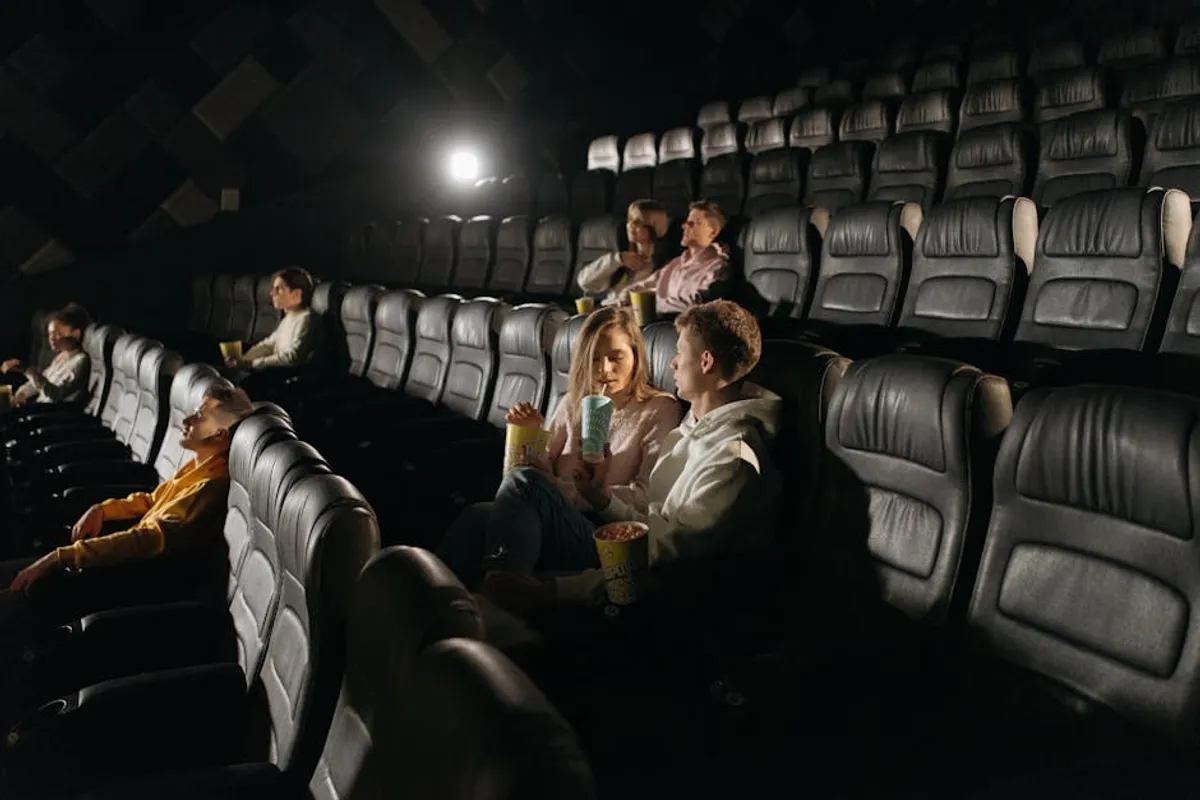
Organizing a family movie night extends beyond simply choosing a film; it involves crafting an experience that fosters connection and creates lasting memories. A structured approach ensures every element, from screen selection to snack preparation, contributes to a cohesive, enjoyable evening for all ages. This checklist provides a framework for planning and executing movie nights that move beyond passive viewing, transforming them into anticipated family events.
Curating Your Family Film Selection
The cornerstone of any successful movie night is a film that resonates with the entire family. This requires a systematic approach to preference gathering and content evaluation.
Understanding Audience Preferences
Before browsing streaming catalogs, establish a baseline of family preferences. This prevents endless scrolling and potential disagreements. Consider age ranges, sensitivities, and individual interests. A rotating system where each family member gets to choose a movie on different nights can build anticipation and ensure fairness.
Genre Rotation and Discovery
Varying genres keeps movie nights fresh and introduces family members to new cinematic experiences. Instead of defaulting to animated features, explore options like:
- Classic adventure films that spark imagination.
- Family-friendly documentaries offering educational insights.
- Musicals that encourage singing along.
- Foreign films with universal themes (ensure appropriate dubbing or subtitles for younger viewers).
Pre-screening trailers or reading plot summaries can help gauge suitability and interest without committing to a full viewing.
Crafting the Perfect Viewing Environment
The physical setup significantly impacts the movie-watching experience. Attention to comfort, sound, and visual quality elevates a casual viewing into a special event.
Comfort and Seating Arrangements
Prioritize comfort to allow for sustained viewing without fidgeting. Options include:
- Pillows and blankets for floor seating.
- Beanbags or oversized cushions for a relaxed vibe.
- Rearranging living room furniture to optimize sightlines for everyone.
Ensure adequate space for movement during breaks and comfortable positioning for all viewers, particularly younger children who might need closer proximity to the screen.
Optimizing Audio and Visuals
A clear picture and immersive sound enhance engagement. This involves:
- Dimming or turning off ambient lights to reduce screen glare.
- Closing blinds or curtains to control external light.
- Checking speaker connections and volume levels before the movie starts.
- Adjusting display settings (brightness, contrast) for optimal viewing in low light.
Elevating the Snack and Beverage Experience
Snacks are integral to the movie night ritual. Moving beyond basic popcorn can transform the culinary aspect into another highlight of the evening.
Classic Concessions with a Twist
While popcorn remains a staple, consider offering variations. A "popcorn bar" with different seasonings (e.g., nutritional yeast, cinnamon sugar, chili powder) or mix-ins (e.g., M&Ms, pretzels) allows for customization. Other classic options include:
- Mini hot dogs or corn dogs.
- Nachos with a variety of toppings.
- Fruit skewers for a lighter option.
Themed Treats and Drinks
Aligning snacks with the movie's theme adds a creative layer. For a space-themed film, consider "galaxy" cupcakes or star-shaped sandwiches. For a jungle adventure, offer "swamp juice" (green punch) or animal crackers. This requires minimal extra effort but significantly enhances the immersive quality of the night.
Pro Tip: Implement a "snack station" where family members can serve themselves before the movie begins. This minimizes interruptions during the film and allows everyone to manage their portions. Clearly label items, especially for those with allergies or dietary restrictions.
Pre- and Post-Movie Engagement
The movie night experience doesn't have to be confined to the film's runtime. Extending the engagement builds anticipation and allows for reflection.
Building Anticipation
Leading up to movie night, create excitement. This could involve:
- Creating a custom "ticket" for each family member.
- Having a family vote on a selection from a pre-approved list of movies.
- A countdown calendar for particularly anticipated events.
Extending the Fun
After the credits roll, engage in discussions about the film. Ask questions like: "What was your favorite part?" "What did you learn?" or "If you were a character, who would you be?" For younger children, a simple drawing activity related to the movie can reinforce themes and characters. For older children, discussing plot points, character development, or cinematic techniques can deepen their appreciation.
Logistics for a Seamless Evening
Careful planning of practical elements ensures the evening runs smoothly, free from technical glitches or scheduling conflicts.
Timing and Schedule Management
Choose a start time that accommodates bedtime routines for younger children and avoids conflicts with other family commitments. Factor in the movie's runtime, plus time for snack preparation, bathroom breaks, and post-movie discussions. A consistent movie night schedule (e.g., every Friday) can help establish a cherished family tradition.
Technology and Troubleshooting
Before the movie starts, confirm all devices are charged (if applicable), streaming services are logged in, and internet connectivity is stable. Have remote controls readily accessible and check volume and picture settings. A quick test run of the first few minutes of the movie can preempt technical issues that might disrupt the viewing experience.
Making Every Movie Night Memorable
A well-planned family movie night is more than just entertainment; it's an opportunity for shared experience, comfort, and connection. By systematically addressing film choice, environmental setup, culinary offerings, and pre/post-movie engagement, families can transform a simple evening into a cherished tradition. The checklist approach ensures that every detail is considered, allowing for a relaxed and enjoyable experience that strengthens family bonds.
Frequently Asked Questions
How often should we have family movie night?
The ideal frequency depends on your family's schedule and preferences. Many families find weekly or bi-weekly movie nights work well, providing a consistent tradition without becoming overwhelming. Flexibility is key to accommodate special events or busy periods.
What if we can't agree on a movie choice?
Implement a rotating selection system where each family member gets a turn to choose, or create a pre-approved list from which the family votes. Sometimes, a "mystery movie" chosen by an adult from a suitable genre can also add an element of surprise and reduce debate.
How can we make movie night special on a budget?
Focus on homemade snacks, utilize existing blankets and pillows for comfort, and explore free streaming content or library movie rentals. The specialness comes from shared time and effort in preparation, not necessarily from expensive purchases.
Are there ways to incorporate educational elements into movie night?
Yes, choose documentaries or historical dramas that align with school subjects or general knowledge. Follow the movie with a brief discussion or a quick online search to explore themes, locations, or historical figures in more detail, turning entertainment into a learning opportunity.