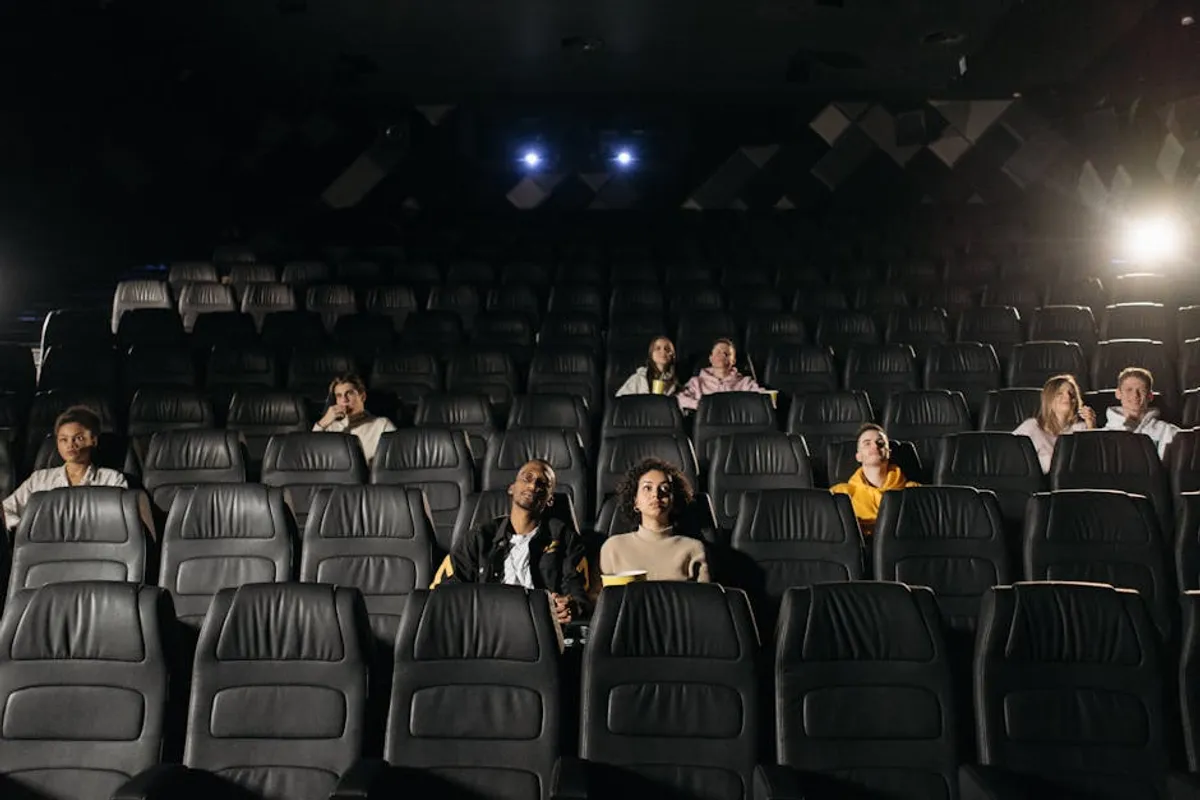
Organizing a successful movie night for students extends beyond simply picking a film and a date. It functions as a micro-project, requiring strategic planning, resource allocation, and an understanding of audience engagement to deliver a memorable experience. This guide provides a structured checklist to navigate the complexities, ensuring every detail from content selection to post-event feedback is considered, drawing parallels to event management and audience-centric planning principles.
Defining the Event Scope and Audience
Before selecting a single film, articulate the primary objective of the movie night. Is it a casual social gathering, a themed event tied to a course, a stress-relief break during exams, or a fundraiser? The objective dictates subsequent decisions regarding film choice, venue, and overall atmosphere. Simultaneously, define the target student demographic. Are these undergraduates, postgraduates, specific club members, or a broader campus community? Understanding their preferences, availability, and potential group size is crucial for effective planning.
- Objective Clarity: Establish the core purpose (e.g., social bonding, educational supplement, relaxation).
- Audience Segmentation: Identify the specific student group. Consider age, interests, and typical attendance patterns for similar events.
- Expected Attendance: Estimate participant numbers to inform venue size, refreshment quantities, and equipment needs.
- Budget Allocation: Determine available funds and prioritize spending categories (licensing, food, decor, equipment rental).
Content Curation and Licensing
Film selection is paramount. Consider genre preferences of your target audience, recent releases, or classic films that resonate. For public or semi-public screenings, even if free, securing appropriate public performance licenses is legally required. This often involves contacting licensing agencies or distributors. Failure to do so can result in significant penalties. Platforms like Swank Motion Pictures or Criterion Pictures USA specialize in educational and institutional licensing for films. For smaller, private gatherings among friends, personal streaming subscriptions are typically sufficient, but for any event advertised to a group or held in a common area, licensing is non-negotiable.
Best for: Ensuring legal compliance and maximizing audience appeal.
Logistics and Resource Management
The operational backbone of any event lies in its logistics. This involves meticulous planning of venue, equipment, and consumables. A suitable venue must accommodate the estimated attendance comfortably, offer appropriate lighting control, and have access to power outlets. Consider campus common rooms, lecture halls, or even outdoor spaces with projection capabilities. Equipment needs typically include a projector, screen (or suitable wall), sound system, and comfortable seating. Test all equipment beforehand to avoid technical issues during the event.
Pro Tip: Always have a backup plan for critical equipment. A spare projector bulb, alternative audio cable, or even a fully charged laptop can avert a crisis. Technical glitches are common and can significantly detract from the experience if not quickly resolved.
Refreshment Strategy
Food and drinks are often central to the movie night experience. Develop a refreshment strategy that aligns with your budget and audience preferences. Options range from simple popcorn and soda to a more elaborate snack bar. Factor in dietary restrictions (vegetarian, vegan, gluten-free, allergies) and provide clear labeling. For larger groups, pre-packaged snacks minimize handling and cleanup. Consider the timing: will snacks be available throughout, or at specific intervals? Ensure adequate waste disposal options are readily available.
Key Considerations:
- Variety: Offer a mix of sweet and savory options.
- Dietary Needs: Include labeled options for common restrictions.
- Hydration: Provide water alongside other beverages.
- Logistics: Easy-to-distribute and consume items.
- Cleanup: Plan for efficient waste collection during and after the event.
Promotion and Engagement
Even for a free event, effective promotion is essential to ensure attendance. Utilize multiple communication channels popular with students: campus bulletin boards, social media groups, email newsletters, and direct outreach through student organizations. Clearly communicate the film title, date, time, location, and any special features (e.g., themed snacks, costume contest). During the event, consider pre-show activities like trivia related to the film, or a brief introduction to the movie's context. Post-film, a short discussion or Q&A can enhance engagement and provide valuable feedback for future events.
Post-Event Evaluation and Feedback
A crucial, yet often overlooked, step is post-event evaluation. Gather feedback from attendees through quick surveys (digital or paper), informal conversations, or a designated feedback box. Inquire about film selection, comfort, refreshments, and overall satisfaction. Analyze attendance numbers against projections. This data is invaluable for refining future movie night strategies, identifying popular genres, preferred snack options, and optimal timing. Treat each movie night as an iterative process, continuously improving based on actionable insights.
Optimizing Future Student Movie Nights
Successful student movie nights are not accidental; they are the result of deliberate planning and a commitment to continuous improvement. By systematically applying this checklist, organizers can move beyond ad-hoc arrangements to consistently deliver engaging and well-received events. Focus on understanding your audience, managing resources efficiently, and learning from every experience. This structured approach not only enhances the student experience but also builds a reputation for reliable, enjoyable campus activities.
Frequently Asked Questions
What is the most critical element for a successful student movie night?
The most critical element is understanding your target student audience's preferences and ensuring the film selection aligns with those interests. A compelling film choice drives attendance and engagement more than any other factor.
Do I always need a public performance license for a movie night on campus?
Yes, if the screening is held in a public or semi-public setting (e.g., a common room, lecture hall, or outdoor space) and is advertised to a group, even if admission is free, a public performance license is legally required. Personal streaming subscriptions do not cover these scenarios.
How can I manage refreshments on a tight student budget?
Prioritize high-impact, low-cost options like bulk popcorn (popped on-site for aroma), water, and basic sodas. Consider requesting students to bring a snack to share, or seek small sponsorships from local businesses or campus departments.
What's the best way to get feedback from students after the event?
Keep feedback mechanisms simple and quick. A short, anonymous online survey (e.g., using Google Forms) linked via QR code at the event, or a physical feedback box with a few key questions, can yield valuable insights without requiring significant time from attendees.