Developing a distinctive personal style often feels like a long-term project, requiring significant wardrobe overhauls or a deep dive into fashion trends. However, the most impactful changes frequently stem from small, deliberate adjustments that can be implemented immediately. This article focuses on actionable strategies you can employ within the next seven days to refine your personal aesthetic, enhance your confidence, and project a more intentional image. The goal isn't a complete transformation, but rather a series of practical experiments designed to clarify what works for you, leveraging existing wardrobe pieces and minimal new investment. Understanding and articulating your personal style can streamline daily decision-making, improve how others perceive your attention to detail, and ultimately contribute to a more polished professional or social presence.
Defining Your Core Aesthetic
Before making any changes, establish a baseline understanding of what truly resonates with you and your daily life. This isn't about replicating celebrity looks but identifying the foundational elements that make you feel authentic and comfortable.
Start with Your Lifestyle
Your personal style must serve your reality. Consider your typical week: are you primarily in a corporate office, a creative studio, working from home, or managing a busy family schedule? The functional demands of your life dictate the practicality of your clothing. An individual whose week involves client meetings will have different needs than someone who spends most of their time in a workshop. Prioritize comfort and utility without sacrificing intentionality. For example, if comfort is paramount, explore elevated casual pieces like tailored joggers or structured knitwear instead of defaulting to purely athletic wear.
Identify Your Comfort Zone
True style emerges when you feel genuinely at ease. What silhouettes, fabrics, and colors do you consistently gravitate towards? What makes you feel confident and capable? Conversely, what types of clothing do you avoid, and why? Acknowledging these preferences provides guardrails for experimentation. Pushing too far outside your comfort zone too quickly often leads to purchases that sit unworn. Instead, identify elements you enjoy and consider how to incorporate them more deliberately.
Curate Inspiration, Not Imitation
Platforms like Pinterest or Instagram offer a wealth of visual inspiration, but the pitfall is often direct imitation rather than thoughtful adaptation. Use these resources to identify recurring themes that align with your emerging aesthetic. Focus on specific attributes rather than entire outfits.
- Recurring color palettes: Notice if you consistently save images featuring muted tones, vibrant hues, or specific color combinations (e.g., monochromatic, analogous).
- Preferred silhouettes: Pay attention to the cuts and shapes of clothing that appear repeatedly (e.g., oversized, tailored, A-line, straight-leg).
- Texture combinations: Observe how different fabrics are paired (e.g., a chunky knit with silk, denim with leather, linen with cotton).
- Accessory choices: Identify the types of jewelry, bags, shoes, and belts that complement the overall aesthetic you admire.
Immediate Style Upgrades for the Week
These are tangible, low-effort changes you can implement within days, often using items already in your closet.
The Power of a Third Piece
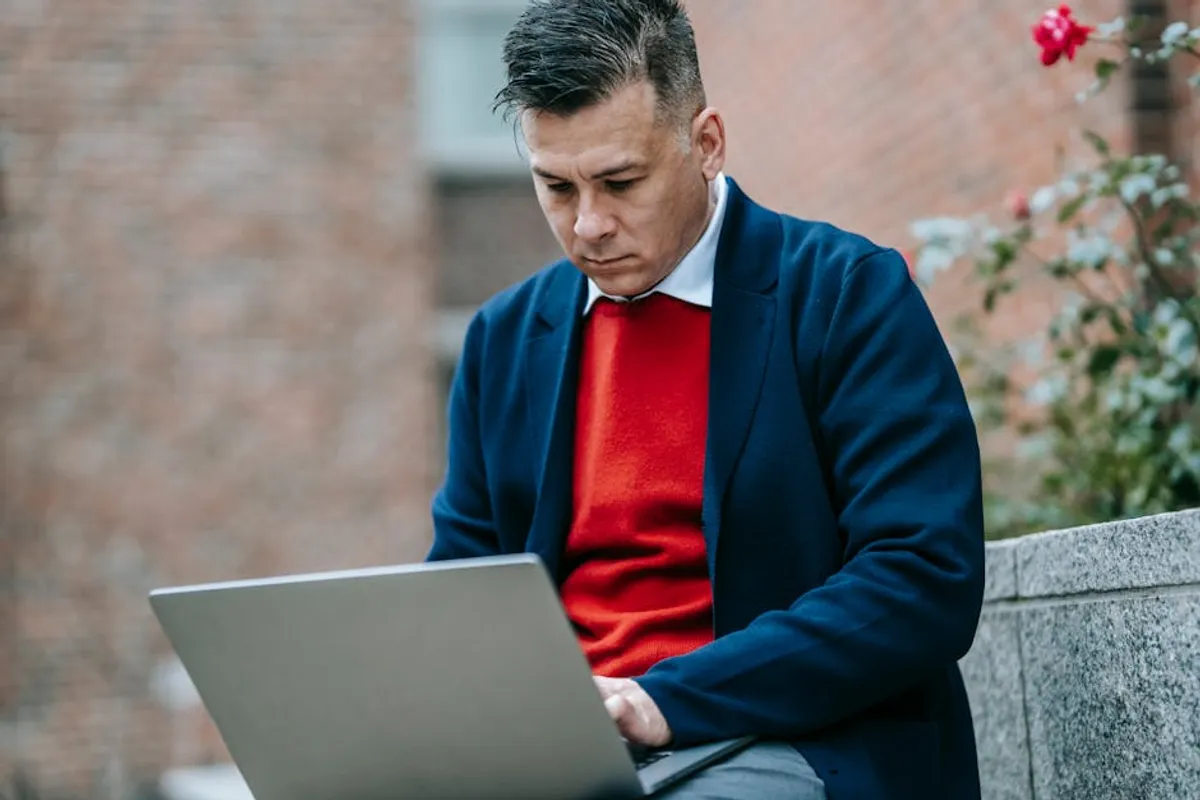
An easy way to elevate any outfit is to add a "third piece" beyond your top and bottom. This could be a blazer, cardigan, denim jacket, vest, or even a statement scarf. A simple t-shirt and jeans combination transforms instantly with the addition of a well-fitting blazer, adding structure and polish. This technique provides an extra layer of visual interest and often makes an outfit feel more complete and intentional.
Master the Art of Accessorizing
Accessories are often overlooked but carry significant impact. A strategically chosen belt can define your waist and add polish to a simple dress or blouse. A watch can communicate professionalism. Thoughtful jewelry, scarves, or even a distinctive pair of glasses can serve as focal points and express personality.
Best for: Adding personality and polish without buying new garments.
Experiment with Color and Texture
You don't need a complete wardrobe overhaul to introduce new visual interest. This week, try swapping a plain cotton tee for a textured knit in a similar color, or introduce a single pop of color through a scarf, handbag, or pair of shoes. Mixing textures, such as a silk blouse with a tweed skirt or a denim shirt with wool trousers, adds depth and sophistication to an otherwise simple ensemble. This subtle shift makes an outfit feel more considered.
Refine Your Fit
The fit of your clothing is arguably the most critical element of personal style. Even expensive garments look less polished if they don't fit correctly. This week, pay close attention to how your clothes sit on your shoulders, the length of your sleeves and trousers, and the waistline of your skirts and pants. A quick trip to a tailor for minor adjustments—hemming trousers, taking in a jacket waist, or shortening sleeves—can dramatically improve the look and feel of your existing wardrobe. This investment in tailoring yields significant returns in perceived quality and personal presentation.
Practical Strategies for Implementation
The "Outfit Formula" Approach
Reduce decision fatigue by developing a few go-to "outfit formulas." These are combinations of clothing types that you know work well together and make you feel good. Examples include: tailored trousers + silk blouse + blazer; jeans + t-shirt + structured cardigan + ankle boots; or a midi skirt + fitted knit top + statement belt. Once you have a few reliable formulas, you can swap out individual pieces within that structure (e.g., a different color blouse, a patterned skirt) to create variety without starting from scratch each morning.
The Wardrobe Audit: What Stays, What Goes
Dedicate an hour this week to a focused mini-audit of your closet. Don't aim for a full declutter, but rather identify items that genuinely align with your emerging style and those that actively detract from it. Look for items that are ill-fitting, damaged, or consistently make you feel uncomfortable or unconfident. Remove these from your immediate rotation. Focus on keeping versatile pieces that can be mixed and matched within your new style framework.
Pro Tip: Photograph outfits you feel confident in. This creates a visual library of successful combinations, reducing decision fatigue and reinforcing your evolving style. Reviewing these photos helps you identify patterns in what makes you feel best, making future styling decisions more efficient and effective.
Document Your Successes
As you experiment with these ideas, take a moment to note what feels good and what receives positive feedback. This could be a quick mental note or a photo on your phone. Understanding which changes resonate helps solidify your evolving style identity and provides a roadmap for future wardrobe decisions. The goal is to build a practical, effective style that supports your daily life and personal aspirations.
Elevating Your Everyday Look: Next Steps
Refining personal style is an ongoing process, but these initial steps provide a strong foundation. By focusing on intentional choices, leveraging existing garments, and making small, strategic adjustments, you can observe a noticeable shift in how you present yourself and how you feel. Continue to experiment with textures, colors, and accessories, always prioritizing comfort and authenticity. The cumulative effect of these small, consistent efforts will lead to a more defined and impactful personal aesthetic that serves you across all aspects of your life.
Frequently Asked Questions
How can I develop personal style on a limited budget?
Developing personal style does not require extensive spending. Focus on refining the fit of your existing clothes through tailoring, experimenting with accessories you already own, and creating outfit formulas from your current wardrobe. Prioritize versatile, high-quality basics if you do purchase new items, as these can be mixed and matched more effectively.
What if I don't know what my style is?
Start by identifying what you *don't* like and what doesn't make you feel good. Then, gather visual inspiration from various sources, focusing on specific elements like color palettes, silhouettes, and textures rather than entire outfits. Pay attention to what you naturally gravitate towards in terms of comfort and functionality. Your personal style is an evolution, not a fixed destination.
How can I make my outfits look more "put together"?
Focus on three key areas: fit, intentional layering (the "third piece" concept), and thoughtful accessorizing. Ensure your clothes fit well, add a blazer, cardigan, or vest for visual interest, and incorporate accessories like a belt, watch, or scarf to complete the look. These small additions often create a significant impact on overall polish.
Should I follow fashion trends to be stylish?
While awareness of trends can be inspiring, true personal style is about understanding what works for *you*. Integrate trends selectively if they align with your aesthetic and comfort level, rather than adopting them wholesale. A well-defined personal style is timeless, whereas chasing every trend can lead to a disjointed wardrobe and wasted investment.