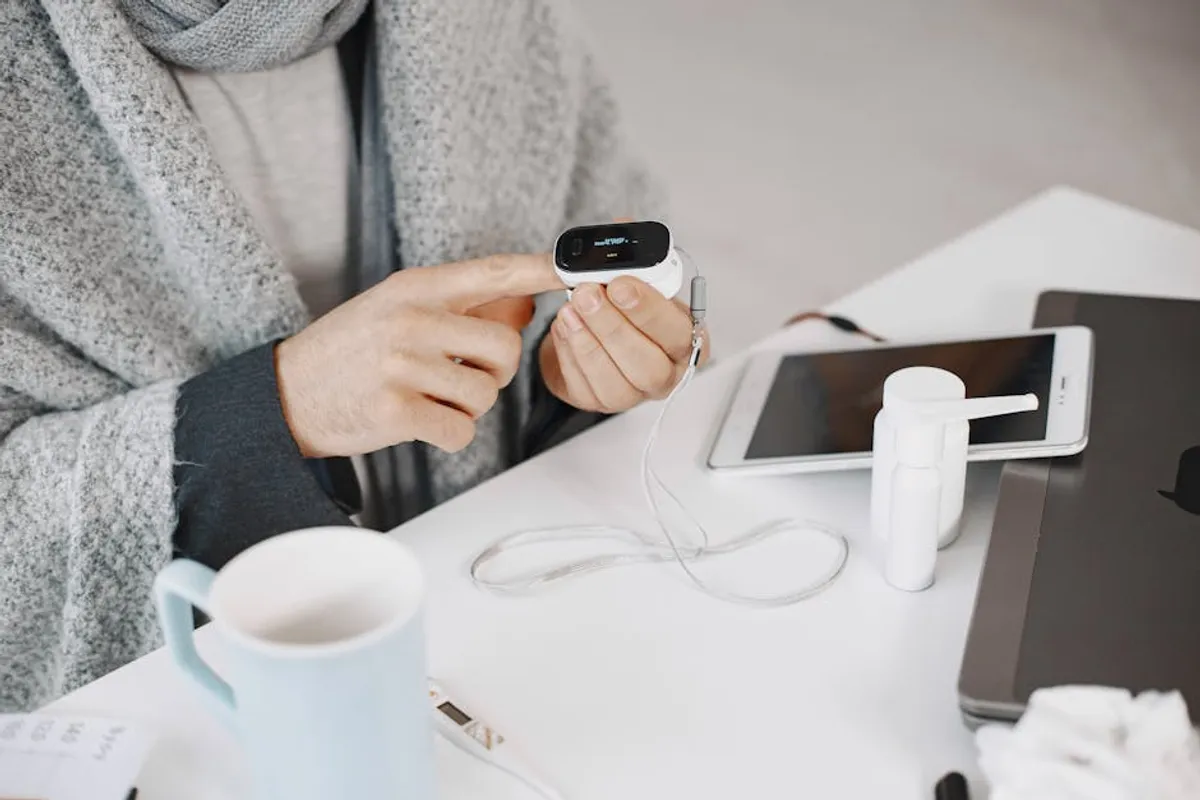
Travel, while inherently enriching, often presents unique demands that can deplete energy and mental reserves if not managed proactively. The allure of new experiences, tight itineraries, and unfamiliar environments can easily overshadow the fundamental need for personal well-being. This isn't about sacrificing exploration for relaxation, but rather integrating deliberate self-care practices to sustain energy, enhance enjoyment, and prevent burnout. A strategic approach to self-care ensures that each journey remains a source of rejuvenation, not exhaustion, allowing travelers to fully immerse themselves in the adventure without compromising their physical or mental health.
Pre-Trip Preparation for Enduring Well-being
Effective self-care for travelers begins long before departure. Proactive planning mitigates common stressors and establishes a foundation for a more relaxed and fulfilling trip.
Digital Detox Planning
Before leaving, identify specific times or days when digital devices will be intentionally set aside. This isn't about abandoning communication entirely, but rather creating boundaries. For example, commit to no social media during meals, or designate one evening per week as completely screen-free. Inform travel companions or family of these intentions to manage expectations. This reduces the cognitive load associated with constant connectivity and encourages presence in the moment. Best for: Reducing digital fatigue and enhancing real-world engagement.
Financial Fortification
Money worries are a significant travel stressor. Establish a clear budget that accounts for both anticipated expenses and a contingency fund for unexpected situations. Research average costs for transportation, accommodation, food, and activities in your destination. Secure comprehensive travel insurance that covers medical emergencies, trip cancellations, and lost luggage. Having these financial safeguards in place provides a substantial layer of psychological comfort, allowing you to enjoy your trip without constant anxiety over unforeseen costs. Justification: Financial preparedness directly reduces a primary source of travel-related stress.
Packing with Purpose
Strategic packing minimizes logistical stress. Create a detailed packing list well in advance, categorizing items by necessity and frequency of use. Prioritize versatile clothing, essential medications, and comfort items like a favorite book or noise-canceling headphones. Avoid overpacking, as heavy luggage complicates transit and adds unnecessary physical strain. Consider packing a small, dedicated self-care kit with items such as:
- A travel-sized essential oil roller for relaxation
- A journal and pen for reflection
- Comfortable walking shoes
- Reusable water bottle
- Any specific dietary supplements you regularly use
This approach ensures you have what you need without being burdened by excess. Benefit: Reduces decision fatigue and physical burden during travel.
On-the-Road Wellness Practices
Once the journey begins, integrating daily self-care routines becomes crucial for maintaining balance and energy amidst new experiences.
Mindful Movement
Regardless of itinerary, incorporate some form of physical activity daily. This could be as simple as stretching in your accommodation each morning, taking a brisk walk to explore a new neighborhood, or finding a local yoga class. Movement helps counteract the effects of long travel days, improves circulation, and boosts mood. Prioritize activities that align with your energy levels and interests. Reasoning: Regular movement combats stiffness, fatigue, and promotes mental clarity.
Nutritional Nurturing
While indulging in local cuisine is part of travel, balance it with conscious nutritional choices. Prioritize hydration by carrying a reusable water bottle and refilling it frequently. Seek out fresh fruits and vegetables, especially when dining out. Avoid excessive consumption of processed foods, sugary drinks, and alcohol, which can lead to energy crashes and digestive issues. Research local markets or grocery stores to supplement meals with healthy snacks. Impact: Stabilizes energy levels and supports immune function, critical for adapting to new environments.
Sleep Sanctuary Creation
Quality sleep is non-negotiable for sustained travel enjoyment. Aim for consistent sleep-wake times where possible, even across time zones. Utilize tools like eye masks and earplugs to block out light and noise in unfamiliar sleeping environments. Avoid heavy meals, caffeine, and excessive screen time close to bedtime. If struggling with jet lag, expose yourself to natural light upon waking and minimize light exposure in the evenings to help reset your circadian rhythm. Justification: Adequate sleep is foundational for cognitive function, mood regulation, and physical recovery.
Social Connection & Solitude Balance
Travel often involves intense social interaction or, conversely, prolonged solitude. Intentionally balance these. Engage with locals, join group tours, or connect with fellow travelers to foster a sense of community. Equally important is scheduling dedicated alone time for reflection, journaling, or simply enjoying quiet moments. This balance prevents social exhaustion while also avoiding feelings of isolation. Value: Prevents burnout from over-socializing and fosters deeper personal reflection.
Pro Tip for Unexpected Travel Delays: When faced with flight delays, missed connections, or other travel disruptions, immediately shift focus from frustration to problem-solving and self-compassion. Use the unexpected downtime for a self-care activity: read a book, listen to a podcast, practice deep breathing, or find a quiet corner for meditation. Resist the urge to dwell on factors outside your control. This proactive mental shift preserves energy and reduces stress in challenging circumstances. This mindful approach is a cornerstone of effective self-care during travel, turning potential stress into moments of calm.
Post-Travel Reintegration Strategies
The journey doesn't end when you return home. Thoughtful reintegration is a critical, often overlooked, aspect of self-care.
Gradual Re-entry
Avoid scheduling demanding appointments or a full workload immediately upon return. Allow at least one "buffer day" to unpack, do laundry, and ease back into your home routine. This prevents the abrupt shock of transitioning from travel mode to daily life, which can trigger stress and post-travel blues. Benefit: Minimizes overwhelm and allows for a smoother transition back to routine.
Memory Preservation
Actively process and preserve your travel memories. This could involve organizing photos, journaling about experiences, or creating a small scrapbook. Sharing stories with friends and family can also be a cathartic way to relive and integrate your adventures. This practice helps to solidify the positive impacts of your trip and extends the sense of enjoyment. Value: Reinforces positive travel experiences and aids in emotional processing.
Routine Re-establishment
Prioritize re-establishing your pre-travel routines, especially those related to sleep, diet, and exercise. Getting back to familiar habits helps ground you and signals to your body and mind that you are back in a stable environment. Be patient with yourself, as adjusting to time zone changes and routine shifts can take several days. Justification: Re-establishing routines provides stability and predictability, reducing post-travel disorientation.
Sustaining Your Travel Spirit
Integrating self-care into your travel philosophy transforms each journey into a more sustainable and enriching experience. It's not about adding more tasks to an already busy schedule, but about making deliberate choices that support your well-being, allowing you to fully engage with the world and return home refreshed, rather than depleted. By prioritizing these practices, you ensure that your love for travel remains a source of joy and personal growth for years to come.
Frequently Asked Questions
Why is self-care particularly important for travelers?
Travel often involves navigating unfamiliar environments, disrupting routines, and managing logistics, all of which can be mentally and physically demanding. Deliberate self-care helps mitigate stress, prevent burnout, and maintain physical health and mental clarity, allowing travelers to fully enjoy and adapt to new experiences without feeling overwhelmed.
What if I have a very packed itinerary with little free time?
Even with a busy schedule, integrate micro-moments of self-care. This could mean 5 minutes of deep breathing before starting the day, choosing a healthier meal option, staying hydrated, or taking a short, mindful walk instead of always using transport. The key is consistency and intentionality, even in small doses.
How can I maintain self-care on a budget while traveling?
Many effective self-care practices are low-cost or free. Prioritize walking or hiking for exercise, pack healthy snacks to avoid expensive convenience foods, utilize free public parks for relaxation, and practice mindfulness or meditation which requires no special equipment. Focus on internal well-being rather than external purchases.
Is it okay to deviate from my self-care plan while traveling?
Absolutely. Self-care is about flexibility and self-compassion, not rigid adherence. Travel often presents unexpected opportunities or challenges. Adjust your plan as needed, and don't feel guilty about missing a practice if a unique experience arises. The goal is overall well-being, not perfection in execution.