
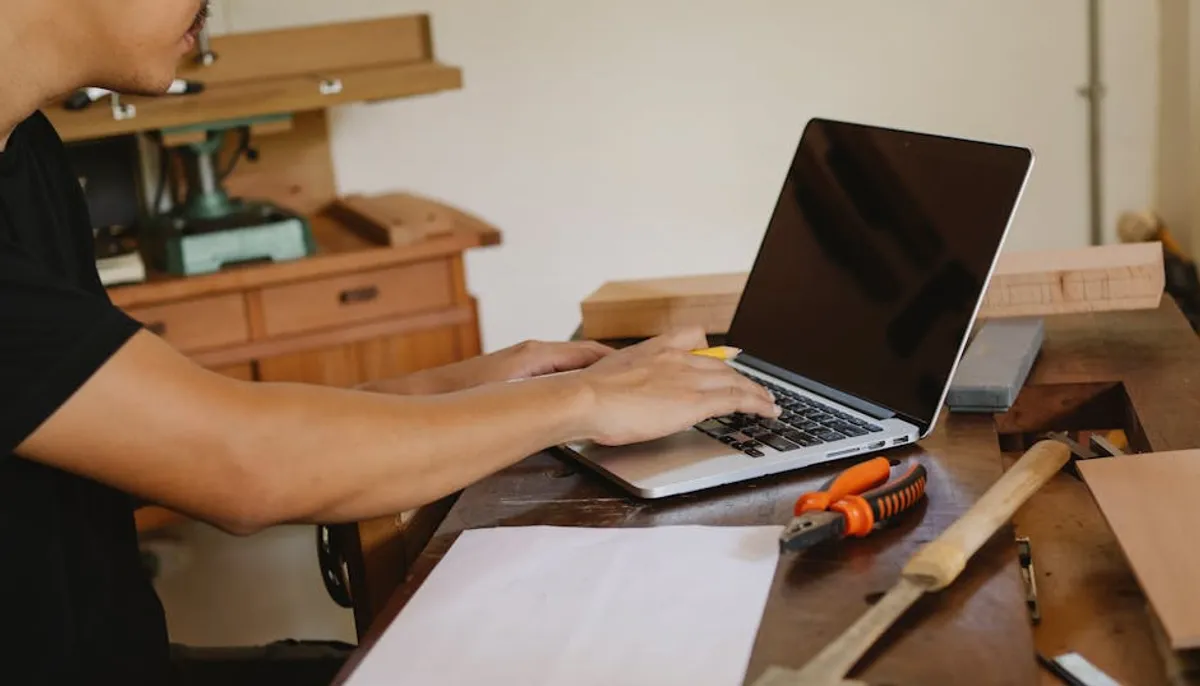
Moving into a new home marks a significant life transition, often bringing a mix of excitement and unexpected demands. Beyond unpacking boxes and navigating new routines, homeowners frequently seek ways to personalize their space, connect with their community, and manage the inherent stresses of property ownership. Simple hobbies offer a practical solution, providing outlets for creativity, relaxation, and social engagement without requiring substantial time or financial investment. This checklist outlines accessible activities designed to help new homeowners establish roots, cultivate well-being, and truly make their house a home.
Establishing Roots: Hobbies for Home & Garden
New homeowners often find themselves with new responsibilities related to their property. Hobbies can transform these tasks into enjoyable, skill-building activities that directly enhance your living environment and potentially increase property value.
DIY Home Improvement & Crafting
Engaging in small-scale DIY projects or crafting allows you to personalize your space on a budget while learning practical skills. This isn't about major renovations, but rather incremental improvements that make a house feel more like yours.
- Painting & Decorating: Experiment with accent walls, repaint old furniture, or create custom art pieces. This offers immediate visual impact and requires minimal specialized tools.
- Basic Carpentry: Learn to build simple shelves, repair minor issues, or assemble flat-pack furniture with greater precision. Resources like online tutorials or local workshops provide foundational knowledge.
- Textile Crafts: Sewing curtains, creating throw pillows, or knitting blankets adds unique, custom touches to your interiors. These projects can be scaled to fit available time and skill levels.
Pro Tip: Before starting any DIY project, research necessary safety precautions and the correct tools. Beginning with small, manageable tasks builds confidence and prevents costly mistakes, ensuring your hobby remains enjoyable and productive.
Gardening & Landscaping Basics
Whether you have a sprawling yard or a small balcony, engaging with plants can be deeply rewarding. It connects you to your new environment, improves curb appeal, and provides a tangible sense of accomplishment.
Best for: Homeowners looking to enhance outdoor aesthetics, grow their own produce, or simply enjoy nature.
Start with low-maintenance options: container gardening for herbs or flowers, planting native shrubs that require less water, or establishing a small raised bed for vegetables. Understanding your local climate and soil type is crucial for success.
Building Connections: Hobbies for Community & Social Life
Moving to a new area can feel isolating. Hobbies provide natural avenues for meeting like-minded individuals and integrating into your new community.
Local Exploration & Engagement
Actively exploring your new neighborhood and participating in local events can quickly make a new place feel familiar.
Best for: Those seeking to understand their new surroundings and meet neighbors organically.
- Walking/Biking Groups: Join local clubs or simply make a habit of exploring nearby parks, trails, or historical areas on foot or by bike.
- Farmers Markets & Local Shops: Regular visits to these spots not only support local businesses but also create opportunities for casual conversations and discovering community events.
- Volunteering: Dedicate time to a local charity, animal shelter, or community garden. This offers a structured way to contribute and meet people with shared values.
Group Classes & Workshops
Structured classes provide a low-pressure environment for learning new skills and interacting with others. Look for options that align with your interests and schedule.
Consider cooking classes focused on local cuisine, art workshops (pottery, painting, photography), or fitness classes at a local gym or community center. These activities often foster camaraderie as participants learn and grow together.
Personal Well-being: Hobbies for Relaxation & Growth
Beyond the practicalities of homeownership, maintaining personal well-being is paramount. Hobbies dedicated to relaxation, learning, and self-care are essential for managing stress and enjoying your new life.
Mindful & Creative Pursuits
Activities that encourage focus and creativity can be highly restorative, offering a mental break from daily demands.
Best for: Stress reduction, mental clarity, and personal expression.
- Reading & Writing: Establish a dedicated reading nook in your new home, join a local book club, or start a journal to document your homeowner journey.
- Music: Learn a new instrument, revisit an old one, or simply curate playlists for different moods and activities in your home.
- Meditation & Yoga: These practices require minimal space or equipment and offer proven benefits for mental and physical health. Many free online resources can guide beginners.
Budget-Conscious & Low-Maintenance Hobbies
New homeowners often face unexpected expenses and time constraints. Prioritizing hobbies that are affordable and flexible ensures they remain sustainable.
Examples:
* Cooking & Baking: Experiment with new recipes using ingredients from your garden or local market. This can be a creative outlet that also saves money on dining out.
* Board Games/Puzzles: An inexpensive way to entertain guests or spend quiet evenings at home, fostering connection without needing to leave the house.
* Digital Photography: Use your smartphone to capture moments in your new home and neighborhood. Explore editing apps to enhance your skills without investing in professional gear.
Cultivating Your Homeowner Hobby Life
The key to integrating hobbies into your new homeowner routine is starting small and being flexible. Don't feel pressured to commit to an expensive or time-consuming activity immediately. Begin with one or two simple interests, allowing them to evolve as you settle into your new life. The goal is to find activities that bring joy, reduce stress, and help you forge a deeper connection with your home and community.
Frequently Asked Questions
How do I choose a hobby if I'm overwhelmed by moving?
Start by reflecting on activities you enjoyed in the past or simple interests that don't require significant preparation. Choose something low-commitment, such as reading a book, taking a walk, or trying a new recipe. The goal is gentle re-engagement, not adding more pressure.
Can hobbies actually save me money as a new homeowner?
Yes, many hobbies can be budget-friendly or even cost-saving. Activities like cooking, baking, gardening (growing your own produce), or DIY home decor can reduce expenses on food, entertainment, or professional services. Focus on hobbies that utilize existing resources or require minimal initial investment.
What if I don't have much free time with all the homeowner responsibilities?
Prioritize hobbies that can be done in short bursts or integrated into your existing routine. For example, listen to an audiobook while cleaning, do a 15-minute yoga session, or tend to a small container garden for a few minutes daily. Even small pockets of time dedicated to a hobby can provide significant mental breaks.
How can hobbies help me meet people in my new area?
Look for group activities, classes, or volunteer opportunities directly related to your chosen hobby. Joining a local book club, a community garden project, a fitness class, or a crafting workshop provides a natural setting to interact with neighbors and build new social connections based on shared interests.



