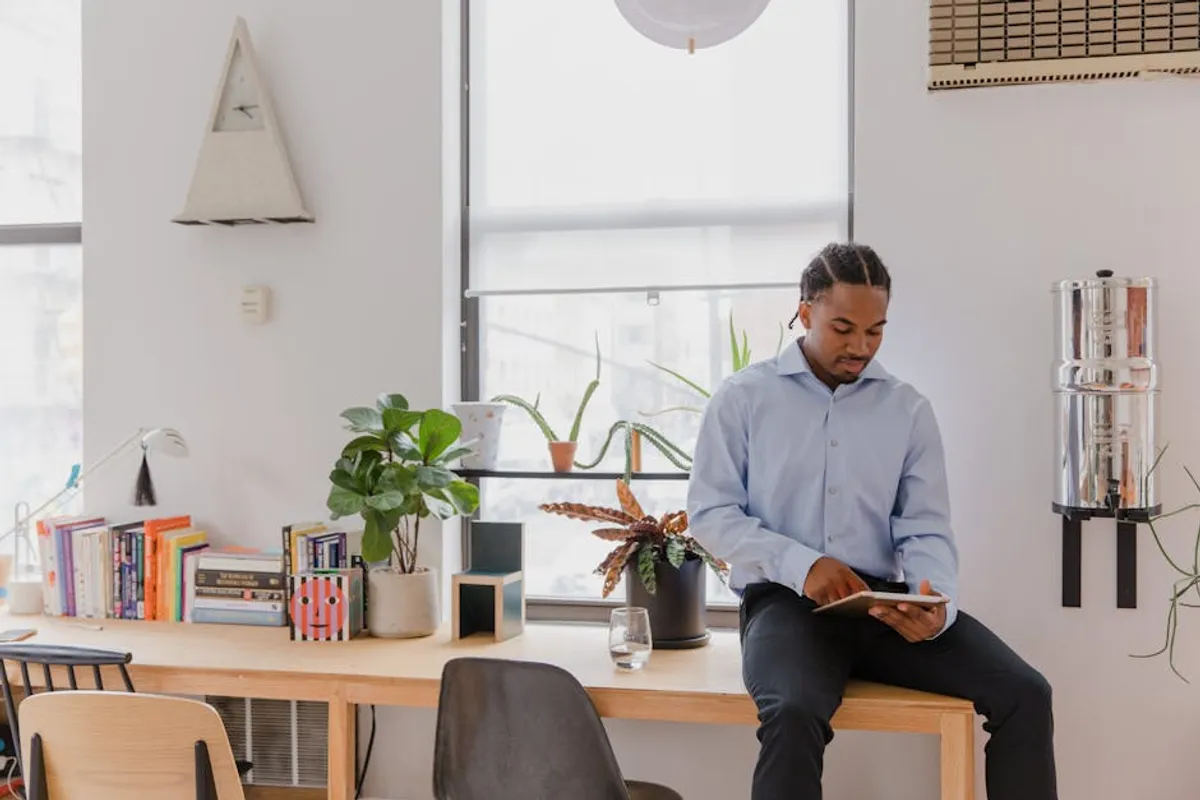
Living creatively in a small apartment presents a distinct set of challenges. For artists, writers, designers, musicians, and other creative professionals, a compact space isn't just a place to sleep; it's often a studio, an office, a library, and a source of inspiration. The core issue isn't merely a lack of square footage, but how to integrate the often bulky, messy, or expansive tools and processes of creative work into a limited domestic environment without sacrificing functionality or aesthetic appeal. This checklist provides a strategic framework for transforming a modest apartment into a highly functional and inspiring hub for creative output, focusing on practical solutions that optimize every inch.
Maximizing Every Square Foot with Intelligent Furniture
The foundation of effective small apartment living for a creative individual lies in furniture that serves multiple purposes or can be easily reconfigured. Every piece should earn its place by offering storage, flexibility, or both.
Multi-functional Furniture Solutions
- Convertible Desks: Opt for desks that fold away, transform into dining tables, or offer integrated storage. A standing desk converter can turn any surface into an ergonomic workspace without requiring a dedicated desk footprint.
- Storage Beds: Platform beds with built-in drawers or lift-up mechanisms provide significant, often hidden, storage for art supplies, fabrics, or seasonal items, freeing up closet space.
- Ottomans and Benches with Storage: These pieces serve as extra seating, footrests, or coffee tables while concealing craft supplies, books, or digital accessories.
- Nesting Tables: A set of nesting tables can be pulled out for additional surface area when needed and neatly tucked away to save space.
Vertical Storage Strategies
When floor space is limited, the walls become prime real estate. Vertical storage is crucial for housing supplies, displaying work, and organizing reference materials without encroaching on living areas.
- Floating Shelves: Install shelves high on walls to store books, display small sculptures, or keep frequently used tools within easy reach. Ensure they are securely mounted to support the weight of your materials.
- Wall-Mounted Organizers: Pegboards, magnetic strips, and wall-mounted bins are excellent for organizing tools like paintbrushes, scissors, spools of thread, or even digital cables and chargers.
- Tall, Slim Bookcases: Instead of wide, short units, choose narrow, floor-to-ceiling bookcases that maximize vertical space without obstructing pathways.
- Door-Mounted Storage: Over-the-door organizers can hold everything from cleaning supplies to craft materials, utilizing often-overlooked space.
Organizing Your Creative Arsenal for Efficiency
Creative work often involves a diverse array of tools, materials, and reference items. An organized system prevents clutter, saves time searching, and maintains focus.
Decluttering for Clarity
Before investing in any storage solutions, a thorough decluttering process is essential. Keep only what genuinely serves your creative practice or brings you joy. Discard dried paints, broken tools, or materials from abandoned projects.
Pro Tip: Before investing in any storage solutions, commit to a thorough decluttering process. You'll gain a clearer understanding of what you truly need to store, preventing unnecessary purchases and wasted space that could be used for active creative work.
Smart Storage for Supplies
Categorize your supplies and store them logically. Use clear containers to quickly identify contents, and label everything. This reduces visual noise and streamlines your workflow.
- Rolling Carts: A multi-tiered rolling cart can hold active projects, frequently used tools, or even serve as a mobile workstation, easily moving from a corner to the center of the room.
- Drawer Dividers and Inserts: Keep small items like beads, pens, or electronic components neatly separated within drawers.
- Magazine Files and Bins: Ideal for organizing papers, sketches, fabric scraps, or digital tablets and keyboards.
- Art Portfolio Cases: Protect and store finished artwork or large paper stock flat under a bed or behind furniture.
Digital Organization for Creative Workflow
Physical space is one aspect; digital space is another. For digital artists, writers, or musicians, a cluttered desktop or disorganized cloud storage can be as detrimental as a messy physical workspace.
- Cloud Storage: Utilize services for project files, backups, and collaborative work, reducing the need for physical hard drives.
- File Naming Conventions: Implement a consistent system for naming files and folders to quickly locate assets.
- Digital Asset Management (DAM): For extensive libraries of images, fonts, or audio, consider a DAM system to tag and categorize assets effectively.
Crafting an Inspiring Environment
A small apartment should not feel restrictive. Thoughtful design choices can make it feel expansive and continuously inspiring.
Personalizing Without Clutter
Displaying personal touches and sources of inspiration is vital for creative people. However, in a small space, this needs careful curation.
- Curated Gallery Walls: Instead of scattering individual pieces, create a focused gallery wall. This draws the eye upward and makes a statement without consuming surface area.
- Minimalist Displays: Choose a few key pieces to display at a time, rotating them periodically to keep the space fresh.
- Inspiration Boards: Use a compact corkboard or magnetic strip for current project inspiration, rather than letting papers accumulate on every surface.
Lighting and Color Considerations
These elements profoundly impact mood and perception of space.
- Layered Lighting: Combine ambient light (ceiling fixtures) with task lighting (desk lamps, floor lamps) and accent lighting (spotlights on artwork) to create depth and functionality.
- Natural Light Maximization: Keep windows unobstructed. Use sheer curtains or blinds that allow light to filter through.
- Strategic Color Palettes: Lighter, cooler colors on walls can make a room feel larger and more open. Use bold colors or patterns sparingly as accents to define zones or add personality.
Integrating Work and Life: Boundaries and Flow
In a small apartment, the lines between living and working can blur. Establishing clear boundaries, even subtle ones, is crucial for maintaining focus and preventing burnout.
Dedicated Workspace Creation
Even if it's a corner of the living room, designate a specific area for creative work.
- Alcove or Nook Conversion: Transform an unused closet, an awkward corner, or a small alcove into a compact desk area.
- Room Dividers: Use a screen, a tall bookcase, or even a large plant to visually separate your workspace from your living area. This signals a shift in activity and helps maintain focus.
- Portable Workstation: For highly mobile creatives, a laptop stand, a comfortable chair, and a small, easily storable table might be sufficient, allowing the entire living space to adapt to work needs.
Maintaining Balance in a Shared Space
If you share your small apartment with others, communication about creative habits and space usage is paramount. Establish "work hours" where possible, and ensure your creative tools are contained to your designated zone.
Establishing Your Creative Hub
Transforming a small apartment into an effective creative hub requires intentionality, discipline, and a willingness to adapt. Start by assessing your current space and identifying pain points related to clutter or inefficiency. Prioritize decluttering, then strategically invest in multi-functional furniture and smart storage solutions that align with your specific creative practice. Regularly review your setup to ensure it continues to support your workflow and inspire your best work. The goal is not just to fit everything in, but to create an environment where ideas can flourish without spatial constraints hindering the process.
Frequently Asked Questions
How can I make my small apartment feel larger for creative work?
Utilize vertical space with shelves and wall organizers, choose multi-functional furniture, maximize natural light, and use light color palettes for walls. Strategic placement of mirrors can also create an illusion of depth.
What are the best storage solutions for various art supplies?
For paints and brushes, rolling carts or clear stackable bins work well. Fabrics and yarns benefit from drawer dividers or labeled fabric bins. Digital tools like cameras and lenses can be stored in dedicated cases or on wall-mounted shelves to keep them accessible yet tidy.
How do I maintain a dedicated workspace in a studio apartment?
Define your workspace with a room divider, a tall bookcase, or even a rug to visually separate it. Use a desk that folds away or serves another purpose when not in use. Consistency in using this designated area helps train your mind to associate it with work.
Should I display all my creative work and inspirations in a small space?
It's best to curate your displays. Choose a few key pieces or create a focused gallery wall to avoid visual clutter. Rotate your displayed items periodically to keep the space fresh and inspiring without overwhelming it.