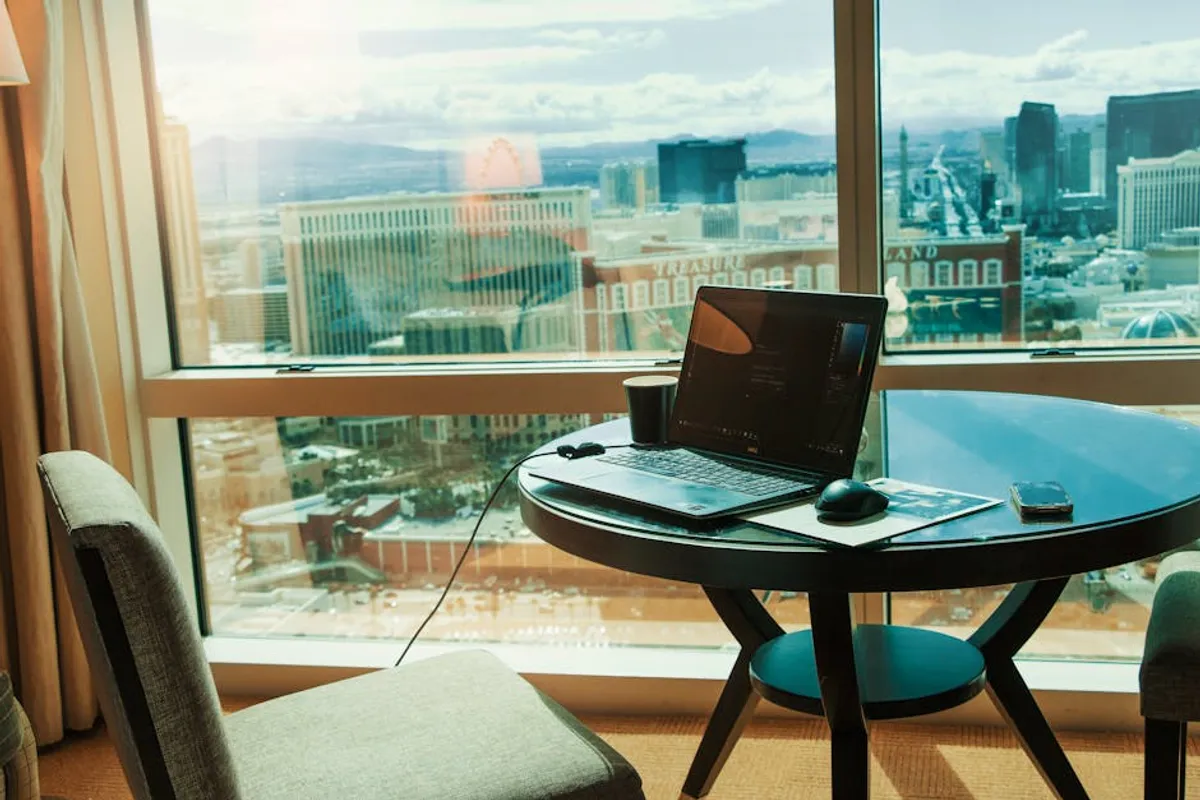
Remote work in a small apartment presents unique challenges that extend beyond simply finding a desk. For professionals navigating limited square footage, the goal shifts from merely setting up a workspace to strategically integrating productivity, well-being, and personal life within constrained physical boundaries. This requires a deliberate approach to furniture selection, spatial organization, and daily routines to ensure efficiency isn't compromised by proximity to personal living areas. The objective is to create an environment where focus is maintained, distractions are minimized, and the lines between work and leisure are intentionally managed, not blurred by default.
Optimizing Your Workspace in Limited Square Footage
Defining Your Dedicated Work Zone
Establishing a clear, dedicated work zone is foundational for remote workers in small apartments. This doesn't necessarily require a separate room, but rather a distinct area that signals the start and end of the workday. Visual separation can be achieved with room dividers, tall shelving units, or even a strategically placed plant. The primary benefit is psychological: it helps the brain transition into work mode. For video calls, ensure this zone presents a professional background, free from personal clutter, which contributes to a more credible online presence. Positioning your desk facing a wall or window, rather than directly into your living space, can also minimize peripheral distractions.
Ergonomics for Small Spaces
Ergonomics remain critical, even when space is at a premium. Opt for compact, adjustable furniture designed to fit smaller footprints without sacrificing support. A height-adjustable desk, for instance, can transition between sitting and standing, promoting better posture and circulation throughout the day, and many models are available in narrower profiles. An ergonomic chair with lumbar support and adjustable armrests is a non-negotiable investment to prevent strain during long hours. Cable management is equally important; loose wires create visual clutter and tripping hazards. Utilize cable ties, sleeves, or under-desk trays to keep power cords and peripheral wires organized and out of sight. This contributes to a cleaner aesthetic and a safer workspace.
- Essential Ergonomic Items:
- Adjustable office chair with lumbar support
- Compact, height-adjustable desk (if feasible)
- Monitor arm or stand to elevate screen to eye level
- External keyboard and mouse to improve wrist and arm posture
- Footrest for proper leg and back alignment
Streamlining Daily Operations and Storage
Multi-functional Furniture Solutions
The key to maximizing utility in small apartments is multi-functional furniture. Every piece should ideally serve at least two purposes. A storage ottoman, for example, provides extra seating, a footrest, and concealed storage for office supplies or personal items. A Murphy bed with an integrated desk allows a bedroom to convert seamlessly into an office during the day. Nesting tables can expand for collaborative work or retract to save space. When selecting furniture, prioritize items with built-in storage compartments or those that can be easily folded, stacked, or tucked away, reducing visual and physical clutter when not in use.
Vertical Storage and Organization
Leveraging vertical space is paramount in small apartments. Wall-mounted shelving units, floating shelves, and over-the-door organizers free up valuable floor space. For work-related items, dedicate specific shelves or bins for documents, stationery, and tech accessories. Separate these from personal items to maintain a clear distinction. Modular shelving systems offer flexibility to reconfigure as needs change. The goal is to get items off surfaces and into organized, accessible vertical storage, which makes the space feel larger and more orderly.
Pro Tip: Before investing in any new storage solutions, conduct a thorough decluttering. Donate, discard, or digitize anything not regularly used. Less physical stuff means less need for storage, making the most of your existing space and reducing future purchases.
Digital Decluttering and Cloud-Based Workflows
Minimizing physical paper and relying on digital solutions significantly reduces the footprint of a home office. Implement cloud storage services for documents, photos, and project files, eliminating the need for bulky filing cabinets. Digital note-taking apps replace physical notebooks, and project management software centralizes tasks and communication. This not only saves physical space but also improves accessibility from any device and streamlines collaboration. Regularly back up digital files to prevent data loss, ensuring your digital workspace is as robust as your physical one.
Maintaining Well-being and Work-Life Boundaries
Creating a "Commute" Equivalent
Without a physical commute, remote workers in small apartments can struggle to create a mental separation between work and home. Establish deliberate rituals to simulate a commute. This could be a short walk around the block before starting work, a specific morning routine that signals the beginning of the workday, or a dedicated "wind-down" activity like reading or listening to music at the end of the day. These rituals help the brain switch modes, preventing work from bleeding into personal time and reducing the feeling of being "always on." These rituals help the brain switch modes, preventing work from bleeding into personal time and reducing the feeling of being "always on," much like establishing consistent morning routines for creative people.
Incorporating Greenery and Natural Light
Even in small spaces, integrating elements of nature can significantly boost mood and productivity. Small, low-maintenance plants like succulents or snake plants improve air quality and add a touch of natural aesthetic without taking up much space. Maximize natural light by keeping windows unobstructed and using light-colored window treatments. Strategic placement of mirrors can also reflect light, making a room feel larger and brighter. Exposure to natural light helps regulate circadian rhythms, which is crucial for maintaining energy levels and sleep quality when working from home.
Noise Management in Shared or Small Spaces
Noise can be a major disruptor in small or shared living environments. Invest in quality noise-canceling headphones to create a personal sound barrier against external distractions. White noise machines or ambient sound apps can mask background noise, promoting focus. If living with others, establish clear communication about work hours and quiet periods. Simple solutions like closing doors or using soft furnishings (rugs, curtains) can also help absorb sound and create a calmer atmosphere, improving concentration during critical tasks.
Actionable Steps for a Productive Small Apartment Setup
Transforming a small apartment into an efficient remote work hub requires intentional design and consistent habits. Start by clearly defining your workspace, even if it's a corner of a room, and prioritize ergonomic essentials that fit your space. Embrace multi-functional furniture and leverage vertical storage to keep your environment streamlined. Crucially, cultivate routines that create mental boundaries between work and personal life, and integrate natural elements to support your well-being. Regular decluttering, both physical and digital, ensures your setup remains optimized for focus and productivity over the long term. Approach this as an iterative process, continually refining your space to best support your remote work lifestyle.
Frequently Asked Questions
How can I make my small apartment feel larger for remote work?
To make a small apartment feel larger, use light color palettes, maximize natural light with unobstructed windows and mirrors, and incorporate vertical storage solutions to free up floor space. Opt for furniture with slender profiles and multi-functional designs to reduce visual clutter.
What are essential furniture pieces for a small home office?
Essential furniture includes a compact, ergonomic chair for support, a small desk (potentially height-adjustable or wall-mounted), and vertical shelving or storage units. Multi-functional items like storage ottomans or nesting tables also add value without consuming excessive space.
How do I separate work and personal life in a studio apartment?
Establish clear routines to start and end your workday, and use visual cues like a room divider or a designated "work corner" to create separation. Put away work items at the end of the day, and engage in non-work activities in different areas of your apartment to mentally disengage.
What's the best way to manage tech clutter in a small workspace?
Manage tech clutter by using cable management solutions like ties, sleeves, or under-desk trays to hide wires. Opt for wireless peripherals where possible, and store chargers and devices in dedicated, organized compartments when not in use.