Easter, a pivotal spring holiday, often presents a unique planning challenge due to its annually shifting date. For families, event organizers, and those seeking to understand its deeper significance, clarity on its timing and traditions is essential. This guide explains how Easter’s date is determined, delves into its rich religious and secular meanings, and offers practical, accessible ways to celebrate, ensuring you can thoughtfully engage with this important observance each year.
The Shifting Date of Easter
Understanding the Lunar Calendar Connection
Unlike fixed-date holidays, Easter’s position on the calendar is determined by a complex interplay of astronomical and ecclesiastical rules. The foundational principle, established by the First Council of Nicaea in 325 AD, dictates that Easter Sunday falls on the first Sunday after the first full moon that occurs on or after the vernal equinox. The vernal equinox is fixed for ecclesiastical purposes on March 21st, regardless of the actual astronomical date, which can vary slightly.
This lunar-solar calculation means Easter can occur as early as March 22nd and as late as April 25th. The full moon in question is not necessarily the astronomical full moon but an ecclesiastical full moon, derived from tables designed to approximate lunar cycles. This distinction helps standardize the date across different regions and centuries, even if it occasionally deviates from astronomical reality.
Western vs. Eastern Christian Dates
While the core Nicaean rule is universal, a significant divergence in Easter dates exists between Western Christian churches (which primarily use the Gregorian calendar) and Eastern Orthodox churches (which largely adhere to the older Julian calendar). The Julian calendar is currently 13 days behind the Gregorian calendar, affecting both the ecclesiastical vernal equinox and the timing of the ecclesiastical full moon.
Consequently, Eastern Orthodox Easter often falls later than Western Easter, sometimes by one or more weeks, and occasionally on the same day. This difference impacts millions globally and is a key consideration for interdenominational families or those with ties to both traditions.
Pro Tip: To avoid last-minute planning disruptions, confirm the exact Easter date early each year, especially when coordinating family gatherings or travel. The date fluctuates significantly, impacting school breaks and commercial schedules, making early confirmation crucial for logistical ease.
The Profound Meaning Behind Easter
Christian Significance: Resurrection and Renewal
At its core, Easter is the most important festival in the Christian calendar, commemorating the resurrection of Jesus Christ from the dead. This event, central to Christian theology, symbolizes victory over sin and death, offering hope for eternal life and spiritual renewal. The period leading up to Easter, known as Lent, involves 40 days of fasting, prayer, and penance, culminating in Holy Week, which includes Maundy Thursday (the Last Supper), Good Friday (Christ's crucifixion), and Holy Saturday (the day Christ lay in the tomb).
Easter Sunday itself is a joyous celebration of new life and the fulfillment of God's promises. For believers, it is a time for profound reflection on sacrifice, redemption, and the transformative power of faith.
Secular and Springtime Traditions
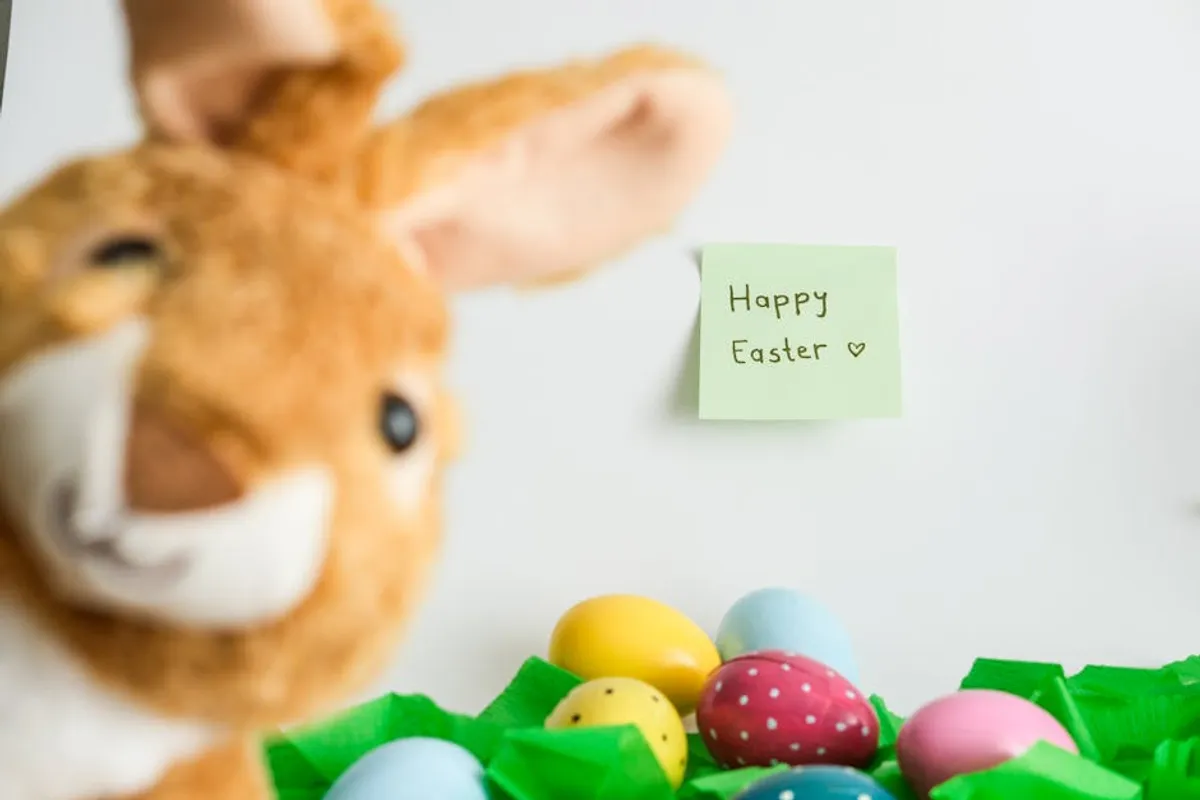
Beyond its religious roots, Easter has evolved to incorporate numerous secular and springtime traditions that resonate with broader cultural themes of rebirth and fertility. These elements often stem from ancient pagan spring festivals that celebrated the end of winter and the rejuvenation of nature. The most recognizable symbols—Easter eggs and the Easter bunny—are prime examples.
Easter eggs, in various cultures, represent new life, rebirth, and fertility. The act of decorating eggs is a practice that predates Christianity, later adopted and integrated into the holiday. The Easter bunny, originating from German folklore, is a symbol of fertility and spring, delivering eggs to well-behaved children. These traditions contribute to Easter's appeal as a family-friendly holiday, irrespective of religious affiliation, celebrating the awakening of the natural world.
Simple Ways to Celebrate Easter
Family-Focused Activities
Celebrating Easter can be a rich experience for families, combining traditional elements with personal touches. These activities foster togetherness and create lasting memories:
- Egg Decorating: Utilize natural dyes from onion skins or beet juice for a rustic look, or employ store-bought kits for vibrant colors. Consider glitter, stickers, or even miniature character designs for personalized eggs.
- Egg Hunts: Organize an indoor hunt with clues for younger children or an outdoor scavenger hunt for older kids, incorporating different prize tiers beyond just candy, such as small toys or books.
- Easter Brunch or Dinner: Plan a special meal featuring spring ingredients like lamb, ham, asparagus, or fresh berries. Simple floral arrangements and pastel-colored linens can elevate the dining experience without extensive effort.
Reflective and Community Observances
For those seeking a more contemplative or communal experience, Easter offers avenues for reflection and outreach:
Church Services: Attend local church services, which often feature special music and sermons. Many churches also offer online streaming options for remote participation.
Acts of Kindness: Engage in charitable activities, such as volunteering at a local shelter, donating to a food bank, or creating care packages for those in need. This embodies the spirit of giving and compassion.
Nature Walks: Take time to appreciate the arrival of spring with a walk in a park or natural area. Observing new blossoms, budding trees, and chirping birds can be a simple yet profound way to connect with the themes of renewal.
Creative and Craft-Based Ideas
Engaging in creative projects can add a personal touch to Easter celebrations:
DIY Decorations: Craft simple Easter baskets from paper, construct a spring wreath using faux flowers and ribbons, or create handmade greeting cards. These activities are particularly engaging for children and adults alike.
Baking Easter Treats: Prepare traditional hot cross buns, decorate sugar cookies with spring themes, or bake a carrot cake. Involving family members in the baking process adds to the festive atmosphere and yields delicious results.
Practical Easter Planning
Easter's unique timing and multifaceted nature mean that thoughtful planning enhances the celebration for everyone involved. Whether your focus is on religious observance, family traditions, or simply embracing the arrival of spring, understanding the holiday's origins and practicalities is key. By confirming the date early, appreciating its dual significance, and choosing activities that resonate with your personal values, you can ensure a meaningful and enjoyable Easter each year. The flexibility in its celebration allows for a personalized approach, making it a truly adaptable holiday for diverse preferences.
Frequently Asked Questions
Why does Easter move every year?
Easter's date is determined by a lunisolar calendar calculation, specifically the first Sunday after the first ecclesiastical full moon occurring on or after March 21st (the ecclesiastical vernal equinox). This means its date fluctuates annually within a range of five weeks.
What do Easter eggs symbolize?
Easter eggs are ancient symbols of new life, rebirth, and fertility, predating Christianity. They were later adopted into Christian tradition to represent the empty tomb and the resurrection of Jesus Christ, signifying new life through his sacrifice.
Is Easter always in spring?
Yes, for the Northern Hemisphere, Easter always falls during the spring season. The calculation for its date is directly tied to the vernal equinox, ensuring it occurs after winter and coincides with the natural themes of renewal and growth.
Do all Christians celebrate Easter on the same day?
No, not all Christians celebrate Easter on the same day. Western Christian churches (Catholic, Protestant) follow the Gregorian calendar, while Eastern Orthodox churches primarily use the Julian calendar. This difference in calendars often results in Eastern Easter falling one or more weeks after Western Easter.