Understanding the 2000s Streetwear Aesthetic for Men
The 2000s men's streetwear aesthetic emerged from a confluence of hip-hop, skate culture, and burgeoning celebrity influence, establishing a distinct visual language that remains influential. This era prioritized comfort, brand visibility, and a relaxed, often oversized silhouette. Understanding its core components is essential for replicating or drawing inspiration from the period, moving beyond simple nostalgia to informed styling.
Defining Characteristics of Early 2000s Streetwear
The turn of the millennium brought a clear shift from the grunge and minimalist trends of the late 90s. Streetwear in the 2000s was characterized by:
- Oversized Silhouettes: Baggy jeans, voluminous tracksuits, and generously cut t-shirts were standard. This wasn't just about comfort; it communicated an effortless cool and often highlighted expensive footwear.
- Prominent Branding: Logos were not subtle. Brands like FUBU, Sean John, Rocawear, Ecko Unltd., and early BAPE pieces featured their names and emblems boldly across garments, serving as status markers.
- Athletic Influence: Sports apparel, particularly basketball and hip-hop-inspired gear, permeated everyday wear. This included basketball jerseys, track jackets, and performance sneakers.
- Bold Colors and Graphics: While muted tones existed, the era embraced vibrant primary colors, metallics, and intricate, often airbrushed or graffiti-inspired graphics on t-shirts and hoodies.
- Accessorization: Chains, oversized sunglasses, trucker hats, and bandanas were integral, completing outfits and adding layers of personal expression.
Essential Garments and Key Pieces
Building a 2000s streetwear-inspired wardrobe starts with identifying the foundational items that defined the decade's look. These pieces formed the basis of countless outfits and continue to resonate in contemporary fashion cycles.
Bottoms: The Foundation of the Silhouette
The choice of bottoms was critical in establishing the era's signature relaxed fit.
- Baggy Denim: Wide-leg jeans, often with distressed details or intricate embroidery, were ubiquitous. Brands like JNCO, Southpole, and Phat Farm offered options with generous cuts that pooled over sneakers.
- Cargo Pants: Functional and relaxed, cargo pants provided additional pocket space and a utilitarian edge, often seen in olive green, khaki, or camouflage patterns.
- Track Pants: Velour track pants (especially from brands like Juicy Couture, though primarily women's, men's versions existed) and nylon athletic track pants were common, often paired with matching jackets for a full tracksuit.
Tops: Graphic Impact and Layering
Tops were where much of the graphic and branding identity of 2000s streetwear resided.
- Oversized Graphic T-Shirts: Featuring bold logos, pop culture references, or elaborate designs, these were often worn several sizes up.
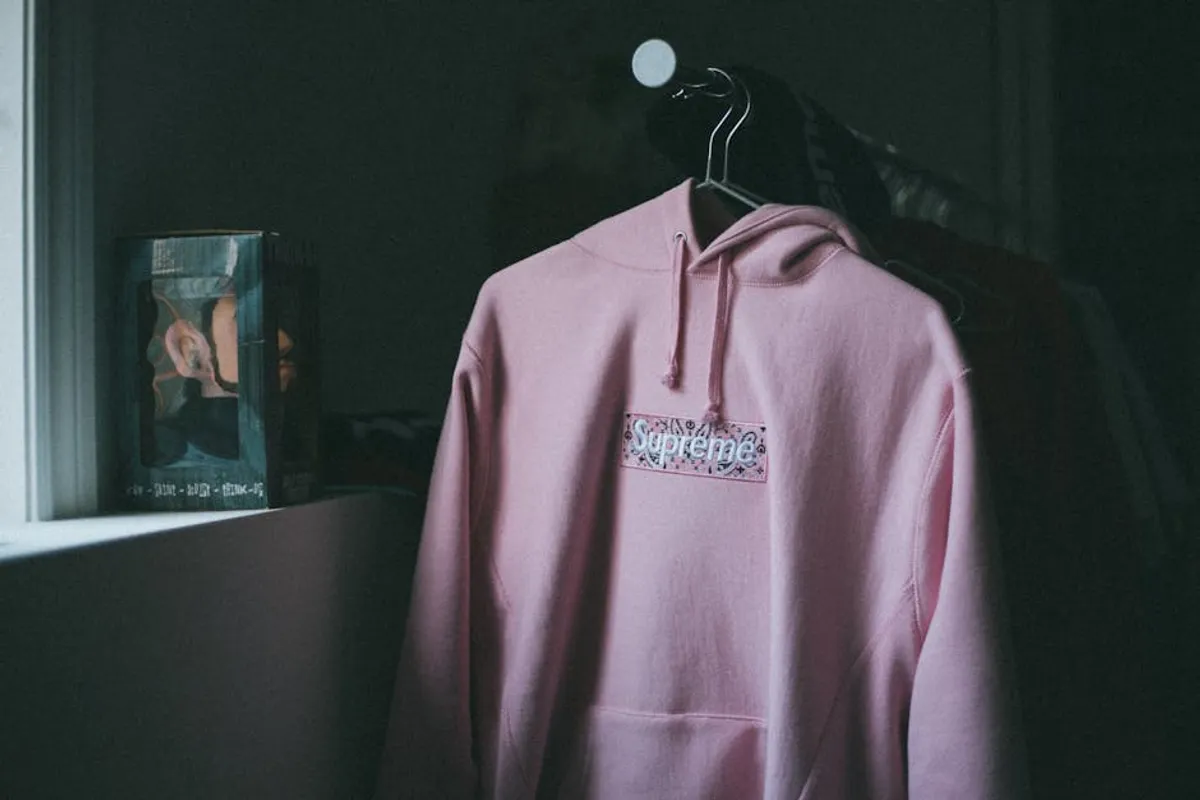
- Hoodies and Sweatshirts: Zip-up hoodies and pullover sweatshirts, frequently emblazoned with brand names or collegiate-style lettering, were essential layering pieces.
- Athletic Jerseys: Replica basketball and football jerseys, particularly those of popular players, were worn as fashion statements, often layered over long-sleeve tees.
Outerwear and Accessories: Completing the Look
The right outerwear and accessories elevated a simple outfit into a cohesive 2000s statement.
- Puffer Jackets: Bulky, often brightly colored puffer jackets provided warmth and an urban aesthetic.
- Varsity Jackets: A nod to classic American sportswear, these jackets often featured leather sleeves and embroidered patches.
- Trucker Hats: With foam fronts and mesh backs, these hats became a casual staple, often featuring brand logos or ironic slogans.
- Bandanas: Worn on the head, around the neck, or even as pocket squares, bandanas added a touch of personal flair.
- Chains and Pendants: Large, often diamond-encrusted or heavily branded chains were prominent, reflecting the "bling" era.
- Oversized Sunglasses: Shield-style or large square-framed sunglasses completed many celebrity-inspired looks.
Footwear: The Cornerstone of 2000s Streetwear
Sneakers were arguably the most critical component of 2000s men's streetwear, often dictating the entire outfit's aesthetic and value.
Key Footwear Styles:
- Nike Air Force 1s: The white-on-white Air Force 1 Low was an undisputed icon, a clean canvas for any outfit.
- Nike Dunks: Both high and low-top Dunks, especially in bold colorways and collaborations, gained immense popularity among skaters and collectors.
- Air Jordans: Retro Jordan releases continued to be highly sought after, with models like the Jordan 11, 4, and 3 holding significant cultural weight.
- Skate Shoes: Brands like Etnies, DC Shoes, and Osiris contributed chunky, padded skate shoes that fit the oversized aesthetic.
- Timberland Boots: The classic "wheat" Timberland boot was a winter staple, particularly in East Coast hip-hop scenes.
Pro Tip for Modern Integration: When incorporating 2000s elements, focus on selective pieces rather than a full head-to-toe replication. A single oversized graphic tee paired with contemporary slim-fit jeans and classic sneakers offers a nod to the era without appearing dated. Prioritize quality materials and a slightly refined fit to elevate the look.
Styling Trends and Outfit Combinations
The 2000s offered a range of styling approaches, from highly coordinated to deliberately mismatched.
The Coordinated Tracksuit
Description: A matching top and bottom in velour, nylon, or cotton, often with prominent side stripes or brand logos.
Context: Popularized by musicians and athletes, this look emphasized comfort and brand loyalty.
Modern Approach: Opt for tracksuits in more subdued colors or with minimalist branding. Pair with clean, modern sneakers to avoid an overly literal interpretation.
Baggy Denim and Graphic Tee
Description: Wide-leg or relaxed-fit jeans worn with an oversized graphic t-shirt.
Context: A quintessential casual streetwear look, allowing for personal expression through graphic choices.
Modern Approach: Choose jeans with a slightly less extreme bagginess – a relaxed straight or wide-leg cut. Ensure the graphic tee has a contemporary design or a vintage feel that's well-maintained.
Jersey Layering
Description: An athletic jersey (basketball, football) layered over a plain or long-sleeve t-shirt.
Context: Common in hip-hop fashion, showcasing team allegiance or a specific player.
Modern Approach: Use a vintage jersey for authenticity. Layer over a well-fitting, high-quality base layer. Avoid overly flashy or replica jerseys that might look costume-like.
Skater-Inspired Utility
Description: Cargo pants or shorts paired with a band t-shirt, a hoodie, and chunky skate shoes.
Context: Rooted in skate culture, emphasizing durability and functionality.
Modern Approach: Focus on well-fitting cargo pants in a neutral color. Pair with a vintage-style band tee or a clean, minimalist hoodie. Select skate shoes that offer a balance between chunkiness and modern design.
Curating Your 2000s-Inspired Wardrobe
Successfully integrating 2000s streetwear elements into a contemporary wardrobe requires careful selection and an understanding of balance. Avoid the temptation to recreate entire outfits verbatim, which can often look like a costume. Instead, focus on key pieces that resonate with your personal style and can be mixed with current trends.
Prioritize quality fabrics and construction, as many original 2000s pieces, while iconic, were not always built for longevity. Look for modern interpretations of baggy denim that offer a structured drape, or graphic tees with refined prints. The goal is to capture the essence of the era's confidence and relaxed attitude, rather than simply mimicking its specific proportions or material choices.
Frequently Asked Questions
What were the most popular brands for men's streetwear in the 2000s?
Key brands included FUBU, Sean John, Rocawear, Ecko Unltd., Phat Farm, Akademiks, and early BAPE. Nike, Adidas, and Timberland were dominant for footwear.
How can I wear baggy jeans from the 2000s without looking dated?
Pair baggy jeans with a more fitted or contemporary top, such as a tailored t-shirt or a minimalist hoodie. Ensure the jeans have a clean wash and minimal distressing, and combine them with modern sneakers or boots.
Are trucker hats still considered part of 2000s streetwear?
Yes, trucker hats are experiencing a resurgence as a nostalgic accessory. They can be integrated by choosing hats with subtle branding or vintage-inspired designs, paired with casual, contemporary outfits.
What is the difference between 90s and 2000s streetwear for men?
While sharing some commonalities, 2000s streetwear generally featured more prominent branding, bolder graphics, and a slightly more athletic, "bling" aesthetic compared to the more grunge-influenced, simpler, and often darker palettes of 90s streetwear.