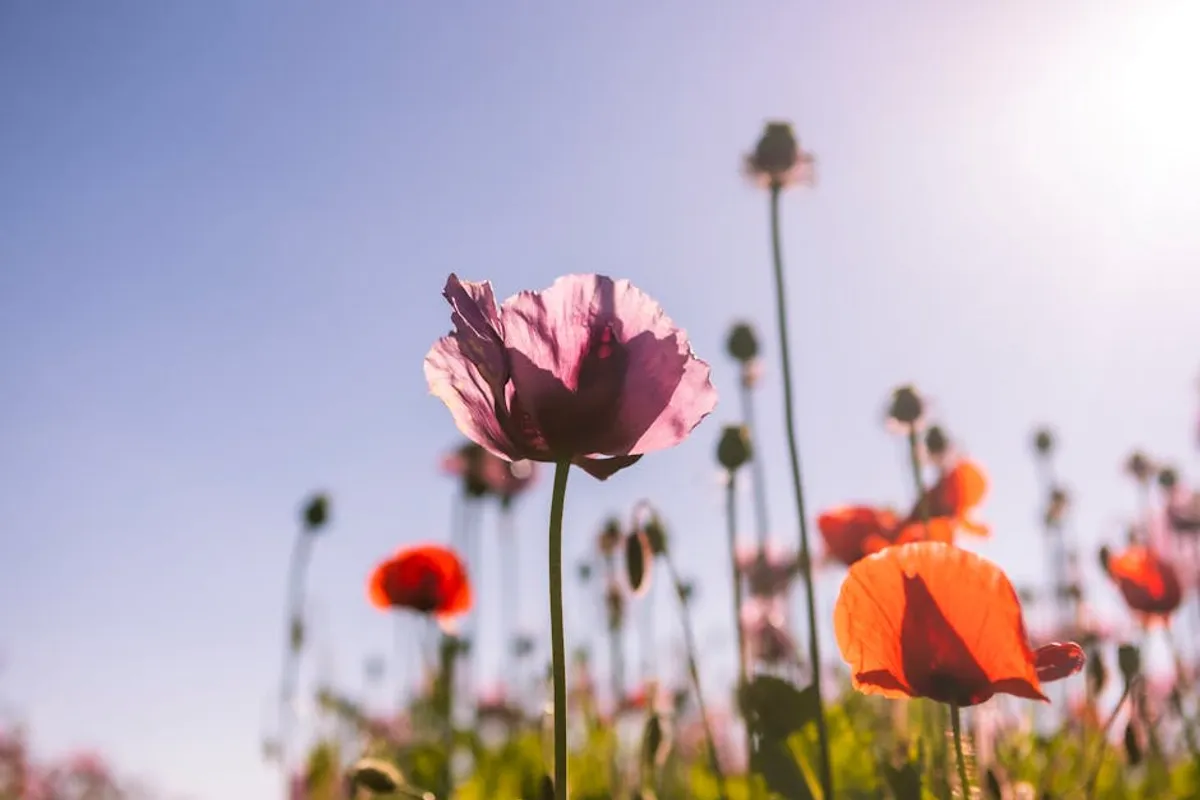
Understanding the nuanced symbolism of the poppy flower extends beyond mere aesthetics; it informs decisions in memorial design, personal gifting, and artistic expression. Each color carries a distinct historical and cultural weight, making informed selection crucial for conveying the intended message. For those curating visual narratives, crafting heartfelt tributes, or simply seeking to appreciate botanical depth, grasping the poppy’s varied meanings ensures that its presence communicates precisely what is intended, avoiding misinterpretation and enriching its impact. For those curating visual narratives, crafting heartfelt tributes, or simply seeking to appreciate botanical depth, grasping the poppy’s varied meanings ensures that its presence communicates precisely what is intended, avoiding misinterpretation and enriching its impact; a comprehensive flower meanings checklist can help busy adults navigate these symbolic waters.
The Palette of Poppy Meanings
The poppy, while universally recognized, possesses a spectrum of meanings that shift significantly with its hue. This chromatic diversity offers a rich vocabulary for expressing complex sentiments, from solemn remembrance to vibrant celebration.
Red Poppies: Remembrance and Sacrifice
The red poppy is perhaps the most globally recognized symbol, primarily associated with remembrance and the sacrifice of soldiers in wartime. This connection solidified after World War I, inspired by John McCrae's poem "In Flanders Fields," which described poppies growing profusely on battlefields. The vibrant red signifies the blood shed by fallen soldiers, making it a powerful emblem for Armistice Day (Remembrance Day) commemorations. Its meaning is deeply rooted in collective memory and national grief, serving as a poignant reminder of those lost in conflict.
White Poppies: Peace and Commemoration
White poppies offer an alternative interpretation of remembrance, primarily advocating for peace and commemorating all victims of war, both civilian and military, across all conflicts. Introduced by the Women's Co-operative Guild in 1933, they represent a commitment to peace and a desire to challenge the glamorization of war. Their symbolism is distinct from the red poppy's focus on military sacrifice, broadening the scope of remembrance to encompass the full human cost of conflict.
Pink and Orange Poppies: Success and Imagination
Beyond the somber associations, poppies also carry messages of joy and aspiration. Pink and orange varieties often symbolize success, luxury, and imaginative thinking. Their brighter, more exuberant tones evoke feelings of warmth and creativity. These colors are frequently chosen for celebratory occasions or to inspire artistic endeavors, reflecting the flower's natural beauty and its ability to thrive in diverse environments. They suggest a flourishing spirit and the attainment of goals.
Blue and Purple Poppies: Enchantment and Mystery
Rarer and often cultivated for their unique beauty, blue and purple poppies introduce elements of enchantment, mystery, and deep imagination. These colors are less common in wild poppies and often carry a more esoteric or spiritual connotation. They can represent dreams, the subconscious, or an elusive beauty that captivates the observer. For those seeking to convey a sense of wonder or the allure of the unknown, these hues offer a compelling choice.
Yellow Poppies: Joy and New Beginnings
Yellow poppies are typically associated with joy, success, and well-wishes for new beginnings. Their bright, sunny disposition reflects optimism and happiness. They are suitable for expressing congratulations, celebrating achievements, or offering encouragement. This color speaks to the lighter, more hopeful aspects of life, making it a cheerful and uplifting symbol in floral arrangements or garden design.
Historical Echoes and Cultural Significance
The poppy's symbolic journey spans millennia, weaving through ancient mythologies, historical events, and artistic movements, solidifying its place as a multifaceted emblem.
In ancient Greek and Roman cultures, the poppy was closely linked with sleep, death, and agriculture. Morpheus, the Greek god of dreams, was often depicted holding poppies, symbolizing the sleep-inducing properties of opium derived from some poppy species. Demeter, the goddess of the harvest, was also associated with poppies, as they often grew in grain fields, representing fertility and abundance. This dual association with life and death established the poppy as a potent symbol of transition and the cyclical nature of existence.
During the Victorian era, the language of flowers (floriography) assigned specific meanings to blooms. Poppies often symbolized sleep, oblivion, and consolation during this period, reflecting their ancient roots and the common understanding of their sedative qualities. This made them appropriate for expressing sympathy or a desire for peace.
The most profound modern cultural significance emerged from the battlefields of World War I. The resilient red poppy, thriving in the churned earth of Flanders Fields, became an enduring symbol of remembrance for military personnel. This association, cemented by McCrae's poem and the subsequent adoption by veterans' organizations, transformed the poppy into a universal emblem of sacrifice and memory, particularly in Commonwealth countries. Its annual wearing on Remembrance Day serves as a powerful, collective act of honoring those who served.
Pro Tip: When selecting poppies for a memorial or commemorative event, research local traditions and the specific intent of the organization. While red poppies are widely recognized for military remembrance, white poppies advocate for peace and all victims of conflict, and their use may carry different implications depending on the context.
Applying Poppy Symbolism with Intent
Understanding the poppy's diverse meanings allows for deliberate and impactful application across various contexts, from personal gestures to public displays.
- Gifting: Choose red for solemn remembrance or to honor a veteran. Select white to convey a message of peace or to commemorate all lives lost in conflict. Opt for yellow or orange poppies to celebrate success, new ventures, or to bring cheer.
- Event Decor: For a memorial service, red or white poppies can provide a poignant and respectful atmosphere. For a creative workshop or an event celebrating innovation, pink, orange, or blue poppies can inspire imagination and vibrancy.
- Artistic and Literary Works: Artists and writers can leverage the poppy's rich symbolism to add layers of meaning. A red poppy might evoke a sense of loss or historical weight, while a blue poppy could hint at fantastical elements or hidden truths within a narrative.
- Garden Design: Integrating different poppy colors can create a garden that tells a story, offering both aesthetic beauty and symbolic depth. A bed of red poppies might serve as a personal memorial space, while a mix of yellow and orange could create a joyful, welcoming area.
- Branding and Marketing: Businesses can subtly incorporate poppy imagery to align with specific values. A brand focused on heritage or resilience might use red poppies, while one emphasizing creativity or dreams could lean into blue or purple varieties.
Selecting the Right Poppy for Your Message
The enduring appeal of the poppy lies in its compelling blend of fragility and resilience, its vibrant beauty, and its profound symbolic depth. By carefully considering the hue and context, individuals and organizations can harness this flower's power to communicate precise and meaningful messages. Whether for solemn remembrance, a call for peace, a celebration of joy, or an evocation of mystery, the poppy offers a versatile and historically rich medium for expression. Its ability to thrive in challenging conditions further reinforces its symbolism of enduring spirit and hope, making it a timeless choice for conveying significant human experiences.
Common Questions About Poppy Meanings
What does a red poppy specifically symbolize?
A red poppy primarily symbolizes remembrance, sacrifice, and the blood shed by soldiers in wartime, particularly associated with military commemoration on Remembrance Day.
What is the meaning behind a white poppy?
A white poppy symbolizes peace and the commemoration of all victims of war, both civilian and military, across all conflicts, advocating for a focus on peace rather than glorifying war.
Are poppies considered bad luck in any cultures?
While poppies are often associated with death and sleep, which can be seen as negative, they are generally not considered universally "bad luck." Their symbolism is more nuanced, often representing remembrance, peace, or consolation rather than misfortune.
What is the spiritual meaning of poppies?
Spiritually, poppies can represent peace, rest, and remembrance of those who have passed. Due to their connection with sleep and dreams, they can also symbolize the subconscious mind, intuition, and the ephemeral nature of life.