
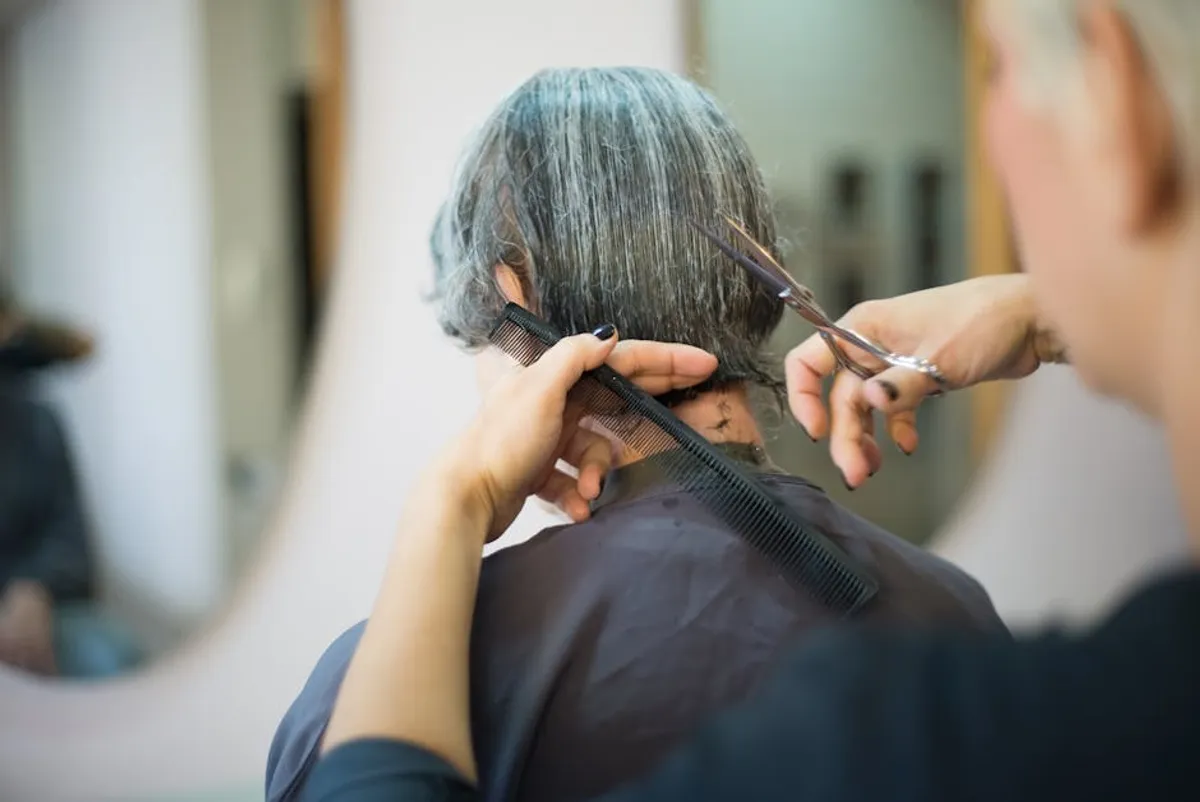
Choosing a short haircut is a deliberate decision that extends beyond aesthetics, impacting daily routine, personal expression, and perceived professional image. The right short style can streamline morning preparations, enhance facial features, and project confidence. Conversely, a mismatched cut can lead to frustration with styling, misaligned expectations, and a perceived lack of versatility. This guide explores various short haircut styles for women, detailing their characteristics, suitability, and the considerations necessary to make an informed choice that aligns with individual lifestyle and desired impact.
The Versatility of Pixie Cuts
Pixie cuts, characterized by short hair on the sides and back, and slightly longer on top, offer significant variation. Their appeal lies in their low-maintenance reputation and their ability to highlight facial structure. However, "low maintenance" often refers to wash-and-go convenience, not necessarily styling effort; many pixies require specific product application to achieve their intended shape.
- Classic Pixie: Typically uniform in length, often finger-combed for a soft, natural finish.
Best for: Oval, heart, and square face shapes. Requires minimal product for definition. Emphasizes cheekbones and jawline.
- Textured Pixie: Incorporates layers and often razor work to create movement and volume. This style can appear edgy or soft depending on styling products and technique.
Best for: Fine to medium hair textures that benefit from added body. Can soften angular features or add dimension to rounder faces.
- Asymmetrical Pixie: Features a distinct difference in length, often with one side significantly longer or a dramatic side-swept fringe. This adds a modern, bold element.
Best for: Those seeking a statement look. Can balance a strong jawline or add intrigue to a classic oval face.
The primary consideration for a pixie is hair growth. Regular trims, typically every 3-6 weeks, are essential to maintain the shape and prevent it from looking overgrown or losing its intended structure. This consistent salon visit schedule is an investment to factor into the decision.
The Enduring Appeal of Bob Haircuts
Bobs are perennially popular for their clean lines, polished appearance, and adaptability. They range from chin-length to just above the shoulders, offering a bridge between short and medium-length hair. The commercial utility of a bob often lies in its professional yet stylish presentation.
- Classic Bob: A blunt cut, often chin-length, with minimal layers. It offers a sophisticated, strong silhouette.
Best for: Straight to slightly wavy hair. Creates a structured, polished look. Excellent for framing the face and emphasizing the neck.
- A-line Bob: Shorter in the back and gradually lengthening towards the front, often with an angle that extends past the chin. This creates a dramatic, modern line.
Best for: Most face shapes, as the front length can be adjusted to flatter. Adds a contemporary edge while maintaining a professional appearance.
- French Bob: A shorter, often jaw-length bob, typically paired with blunt bangs. It evokes a chic, effortless European aesthetic.
Best for: Fine to medium hair. The bangs can draw attention to the eyes and forehead. Requires a certain confidence to pull off its distinct style.
- Lob (Long Bob): Falling between the chin and collarbone, the lob offers the versatility of longer hair with the structure of a bob. It's a popular choice for those transitioning to shorter styles.
Best for: Nearly all face shapes and hair textures. Provides styling flexibility, allowing for updos, waves, or sleek looks. It minimizes the commitment of a truly short cut.
Pro Tip: When considering any bob, discuss your hair's natural texture and growth patterns with your stylist. A bob cut against a strong cowlick or highly textured hair can require significant daily styling to sit correctly, potentially negating its "easy" appeal.
Shags and Modern Mullets: Textured and Edgy
For those seeking more texture, volume, and an unconventional edge, modern shags and mullets offer distinct alternatives to traditional short cuts. These styles are experiencing a resurgence, adapted for contemporary aesthetics.
- Shag Haircut: Characterized by choppy layers, often shorter on top and around the face, creating a disheveled, rock-and-roll vibe. It works well with natural waves or curls.
Best for: Wavy, curly, or fine hair that needs volume. The layers encourage movement and body, reducing styling time for those with natural texture.
- Modern Mullet: A reimagined classic, featuring shorter layers on top and sides, with longer, often textured pieces in the back. Unlike its 80s predecessor, the modern mullet is softer, more blended, and often incorporates fringe.
Best for: Bold individuals seeking a fashion-forward, edgy look. Can be customized to be subtle or dramatic. Requires confidence and often specific styling products to enhance texture.
These styles thrive on texture and movement, often requiring specific texturizing sprays, mousses, or creams to enhance their intended shape. They offer a distinct personal brand statement.
Undercuts and Bold Statements
For individuals seeking to express a strong personal style, undercuts and other dramatic short cuts provide unique opportunities. These are often chosen for their artistic potential and ability to create a memorable impression.
- Undercut: Involves shaving or closely clipping a section of hair, typically underneath longer layers or on the sides/back of the head. It can be hidden or revealed, offering versatility.
Best for: Adding an edgy, customizable element to any short cut. Allows for creative designs to be shaved into the undercut section. It reduces bulk for thick hair.
- Buzz Cut: Hair is cut to a very short, uniform length all over. This is the ultimate low-maintenance style, emphasizing facial features and bone structure.
Best for: Those seeking extreme simplicity and a bold, confident statement. Highlights facial symmetry and can be incredibly liberating.
These styles require a clear understanding of personal comfort with visibility and potential social perceptions. They are less about blending in and more about standing out.
Making Your Short Haircut Decision
Selecting a short haircut involves more than just liking a picture. It requires an assessment of your hair's natural characteristics, your daily routine, and your comfort level with maintenance and styling products.
- Consider Face Shape: Certain cuts enhance specific facial structures. A skilled stylist can recommend styles that balance or highlight your features.
- Assess Hair Texture: Fine, thick, straight, wavy, or curly hair reacts differently to various cuts. A style that looks effortless on straight hair might require significant work on curly hair, and vice-versa.
- Lifestyle and Maintenance: How much time are you willing to spend styling daily? How often can you commit to salon visits for trims? Short hair often requires more frequent shaping.
- Product Investment: Many short styles rely on specific waxes, pastes, gels, or texturizing sprays to achieve their intended look. Factor this into your budget and routine.
- Consultation is Key: Always have a detailed discussion with a trusted stylist. Bring reference photos, but be open to their professional assessment of what will work best for your hair type and face shape.
Frequently Asked Questions About Short Haircuts
How do I choose the right short haircut for my face shape?
While general guidelines exist (e.g., pixies for oval faces, A-line bobs for rounder faces), the best approach is a personalized consultation with a stylist. They can assess your unique features, bone structure, and hair texture to recommend a cut that harmonizes with your face shape and personal style.
Is short hair truly low maintenance?
The "low maintenance" aspect of short hair often refers to quicker washing and drying times. However, maintaining the shape and style of a short cut typically requires more frequent trims (every 3-6 weeks) and often daily styling with specific products to achieve the desired look. It's a different kind of maintenance, not necessarily less.
Can short hair be versatile?
Absolutely. While some very short cuts like buzz cuts offer limited styling options, many pixies, bobs, and shags can be styled in multiple ways. This includes sleek, messy, textured, or even partially braided looks, depending on the length and layering. Accessories like headbands and clips also add versatility.
What products are essential for styling short hair?
Essential products vary by style and hair type but commonly include texturizing sprays for volume and movement, styling creams or waxes for definition and hold, and a good quality dry shampoo for refreshing between washes. Heat protectants are crucial if you use styling tools.



